Kenya records first Ebola death; disease spreads as regional threat grows
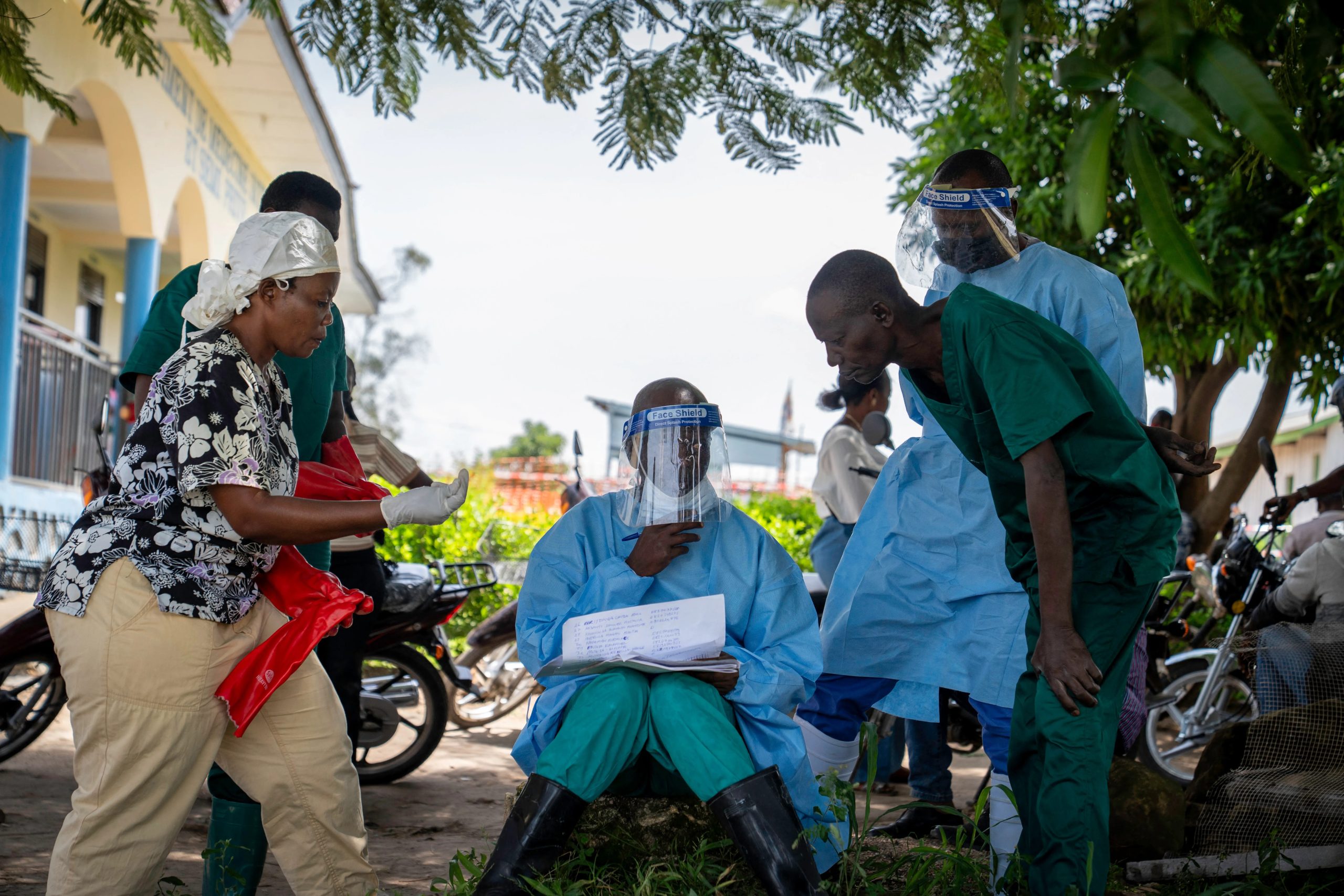
Kenya has recorded its first confirmed Ebola death, heightening concerns about disease spread across East Africa and raising questions about border health screening in the region. The patient, a Kenyan citizen who had been living in the Democratic Republic of Congo for seven years, died in Nairobi on Monday evening after falling ill during travel through Uganda to Kenya.
Health Minister Aden Duale confirmed the death and disclosed that the patient tested positive for the Bundibugyo strain of Ebola—a rare variant currently ravaging DR Congo. The individual first travelled by road to Kampala, Uganda, before flying to Nairobi, where he underwent standard airport screening at the main terminal. Despite public health checks, he was cleared to travel, later transferred to a hospital by a relative, and subsequently moved to an isolation facility originally built during the Covid-19 pandemic.
Once hospitalised, the patient developed classic Ebola symptoms including fever, severe fatigue, painful swallowing, muscle pain and bleeding under the skin. Medical staff suspected a viral haemorrhagic fever based on symptoms and travel history, leading to laboratory confirmation of Ebola Bundibugyo virus.
The spreading crisis in Central Africa
The current Ebola outbreak in DR Congo represents the second most deadly on record. Over 4,000 deaths have occurred this year alone, with the WHO documenting 4,082 deaths among 8,463 confirmed cases. However, medical charity Médecins Sans Frontières warns the true toll is likely higher due to surveillance gaps and limited testing capacity in the war-torn country.
The virus, which spreads through direct contact with infected blood and bodily fluids, has been contained to DR Congo since Uganda declared itself Ebola-free in August following two deaths. The Bundibugyo strain is particularly concerning because no approved vaccine or treatment currently exists, though four vaccines remain in development with human trials for one launched in July.
MSF reported in early September that the disease was spreading "like a megafire" with new hotspots emerging in North Kivu province, which borders Ituri where the outbreak began. The province now accounts for nearly 40 percent of all newly confirmed cases nationwide, indicating rapid geographic expansion and deepening crisis.
Why this matters for Ghana and West Africa
Kenya's first confirmed Ebola case demonstrates how quickly infectious diseases can cross borders in an interconnected region, particularly when commercial travel routes connect outbreak zones to major population centres. For Ghana and other West African nations, this serves as a stark reminder of the critical importance of robust disease surveillance, airport screening protocols and cross-border health coordination.
The incident also reveals vulnerabilities in regional health systems. A Kenyan health official suggested the patient may have passed airport screening because medication masked symptoms—a troubling indication that current screening mechanisms may be insufficient during disease outbreaks. Ghana, which has invested significantly in disease surveillance following previous Ebola scares, must ensure its health workers remain trained and vigilant.
The underlying instability in Eastern DR Congo—driven by decades of conflict, rebel groups and competition for natural resources—has devastated health infrastructure and displaced millions. These conditions create perfect environments for disease spread and complicate containment efforts. West African nations should monitor developments closely and strengthen ECOWAS health protocols to prevent similar outbreaks from reaching the subregion.
Kenya's Health Minister urged the public not to panic, emphasising that containment systems are in place. Authorities have identified 28 close contacts including family members and healthcare workers, while tracing 23 airline passengers and four crew members from the patient's flight. The deceased's burial will follow strict public health safety protocols.
For Ghana, this development underscores the need for continued investment in health infrastructure, regular disease surveillance training and coordinated regional responses to outbreaks. The speed at which Ebola travelled from DR Congo to Kenya demonstrates that no country in Africa operates in isolation when infectious disease threats emerge.
Source: The Ghana Report

Comments (0)
Be the first to comment.