DRC Ebola outbreak crosses 7,000 cases as virus spreads to seventh province
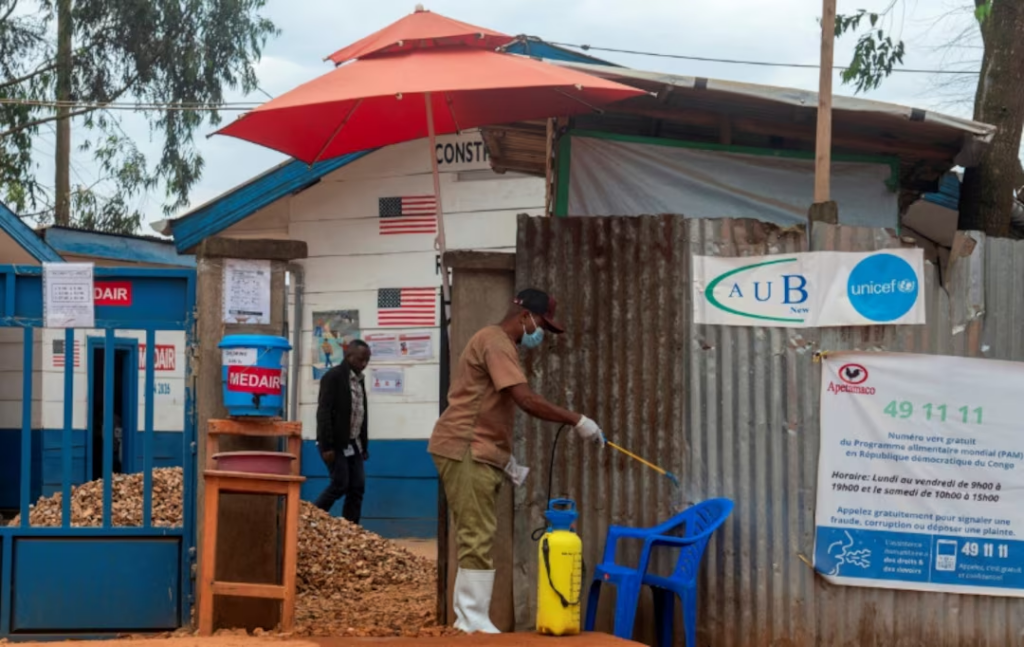
The Ebola outbreak in the Democratic Republic of Congo has escalated significantly, with confirmed cases now exceeding 7,000 according to the latest government data released on Friday. The milestone marks a critical point in what has become one of the most severe Ebola epidemics in recent years, raising fresh concerns about containment efforts and regional health security.
The expansion of the outbreak to a seventh province, South Ubangi, located in the northwestern region of DRC, underscores the challenge health authorities face in controlling the spread of the highly contagious virus. Each new geographic area affected complicates response efforts and increases the risk of the virus reaching neighbouring countries, particularly those within West and Central Africa.
Why it matters for Ghana
Although Ghana is geographically distant from the DRC, major infectious disease outbreaks in other African nations carry significant implications for the continent's collective health security. Ghana's health system, like those across West Africa, remains vigilant against potential cross-border disease transmission through air travel and population movement. The DRC outbreak serves as a reminder of the importance of strengthened regional disease surveillance networks, border health screening protocols, and rapid response capabilities that benefit all ECOWAS member states.
Additionally, the scale of the DRC crisis can strain continental health resources and international support systems that might otherwise be available to assist Ghana and other African countries during their own health emergencies. The outbreak also reinforces the need for investment in pandemic preparedness infrastructure across Africa, a lesson Ghana and other nations have worked to implement since the COVID-19 pandemic.
Government response and international support
The DRC government's public health institute continues to release situation reports tracking the outbreak's progression. However, managing an Ebola crisis of this magnitude requires sustained international assistance, vaccine deployment, and coordination between multiple provinces and neighbouring countries. The expansion to previously unaffected provinces suggests that contact tracing, quarantine measures, and public health communication efforts face substantial obstacles.
What comes next
Health authorities will likely intensify vaccination campaigns in affected and at-risk provinces whilst strengthening border surveillance measures. The continuation of situation reports and transparent data sharing remains essential for understanding the outbreak's trajectory and assessing the effectiveness of containment strategies.
For the broader African health community, including Ghana, the DRC situation underscores the critical importance of maintaining robust disease surveillance systems, ensuring adequate healthcare worker training and protection, and sustaining funding for epidemic preparedness initiatives. As the outbreak continues to evolve, regional cooperation and information sharing will be vital to preventing further geographic spread and protecting populations across Central and West Africa.
Source: MyJoyOnline


Comments (0)
Be the first to comment.