Ebola Crisis in DRC Could Become Deadliest on Record; What Ghana Must Know
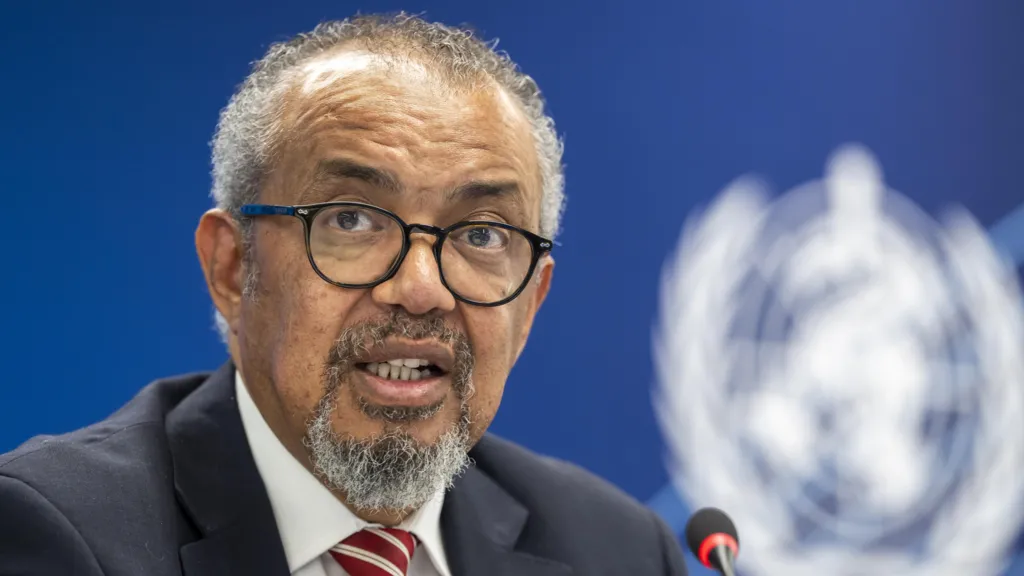
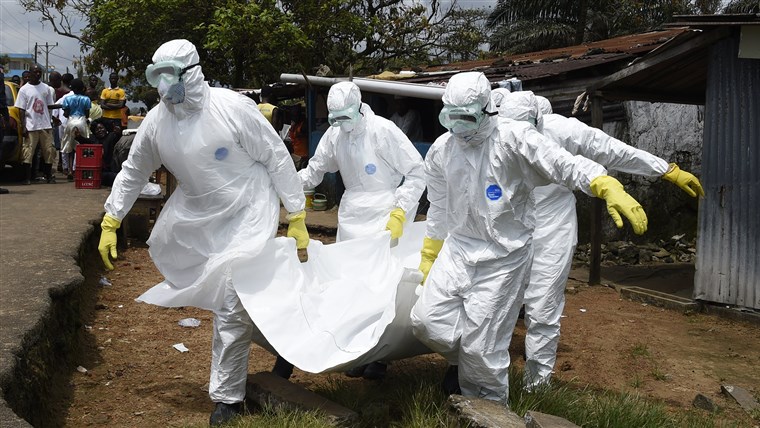
The World Health Organization has issued a stark warning: the ongoing Ebola outbreak in the Democratic Republic of Congo could become the deadliest in history if current transmission rates continue. WHO Director-General Tedros Adhanom Ghebreyesus told reporters that the 2026 outbreak, at its present pace, would "eclipse" the 2014-2016 West African epidemic, which claimed at least 11,000 lives across multiple countries including Guinea, Liberia and Sierra Leone.
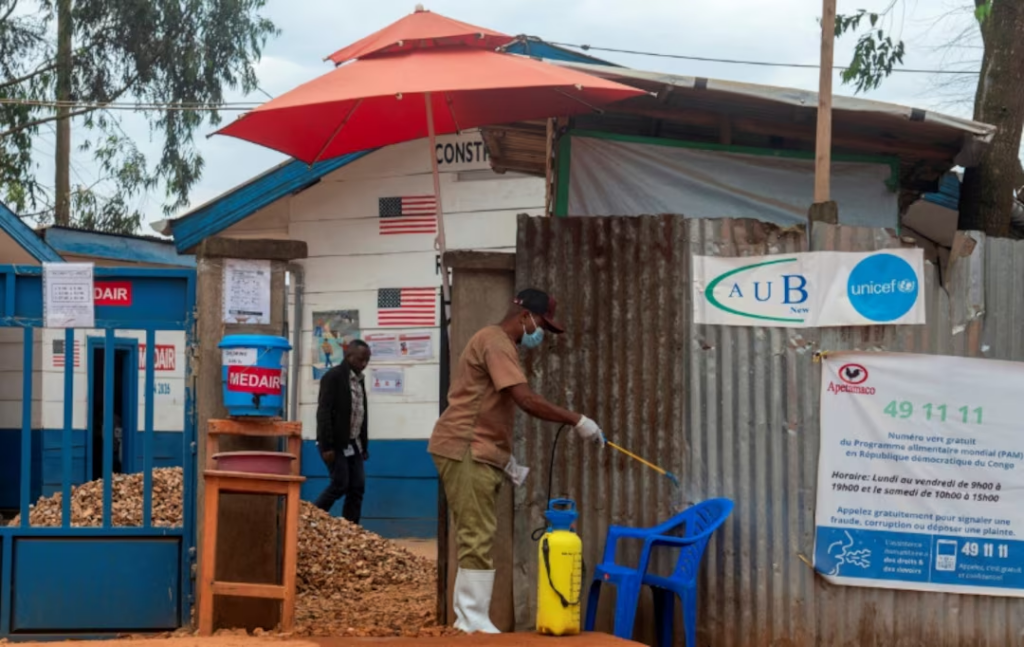
Since the outbreak was formally declared on 15 May this year, authorities have recorded at least 4,300 confirmed cases and more than 2,000 deaths. Alarmingly, evidence suggests the virus began circulating as early as February, but was initially misidentified as malaria or typhoid, allowing it to spread unchecked before detection.
The Scale of the Challenge
The speed at which the current outbreak has expanded has caught health authorities off guard. WHO Africa director Dr Mohamed Janabi described the situation graphically during a press conference in Bunia, the city at the centre of the outbreak: "We are chasing the virus, the virus is ahead of us." This statement underscores how rapidly transmission is occurring and how difficult it has been for responders to contain spread in affected communities.
The delayed identification of cases compounded the problem. When health workers finally recognised the outbreak, the virus had already established multiple transmission chains in the DRC's eastern regions. This head start, combined with population movement and limited healthcare infrastructure in affected areas, has made containment efforts increasingly difficult.
Why It Matters for Ghana
Though the current outbreak is confined to the DRC, Ghanaians should not view this crisis as distant. The 2014-2016 West African Ebola epidemic demonstrated that diseases do not respect borders. Guinea, one of the three hardest-hit countries, shares a border with Sierra Leone and Liberia, and the virus eventually spread across the region through travel and trade networks. Today's interconnected world—with regular flights between West Africa and Central Africa, and shared ECOWAS regional mobility—means an uncontrolled Ebola outbreak anywhere on the continent poses a potential threat to Ghana.
Beyond direct transmission risk, a major health crisis in the DRC could strain African healthcare systems and divert international resources away from other pressing health challenges, including those affecting West Africa. Ghana's health sector, still recovering from COVID-19 pressures, must remain vigilant about potential viral threats and maintain robust disease surveillance systems at entry points.
The Path Forward
The WHO has expressed cautious optimism, stating it hopes to bring transmission under control within three months. However, officials emphasised an important distinction: controlling spread does not mean ending the outbreak entirely. Full eradication typically takes much longer and requires sustained vaccination campaigns, community engagement and continued healthcare support.
Reversing the outbreak's trajectory will depend on several factors: improved case detection and isolation, effective contact tracing, community cooperation with health measures, and equitable access to Ebola vaccines in affected regions. The fact that the virus went undetected for months highlights the critical need for stronger disease surveillance and rapid response capacity in areas with weaker healthcare infrastructure.
Source: MyJoyOnline

Comments (0)
Be the first to comment.