Kenya's first Ebola death raises alarm for West Africa; Ghana urged to strengthen border screening
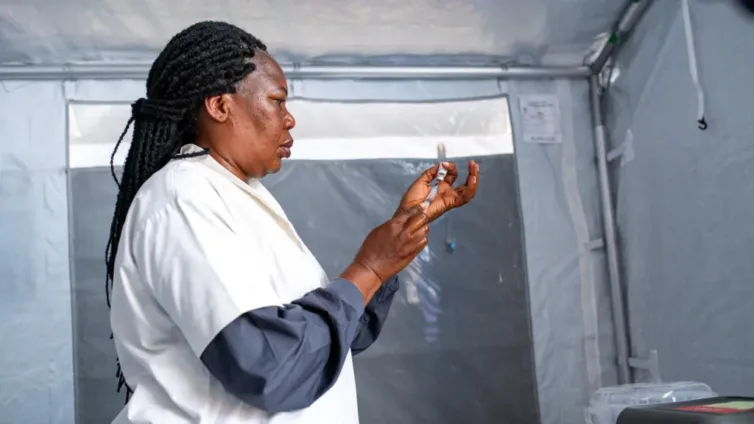
Kenya has recorded its first confirmed death from Ebola, marking a significant escalation in the ongoing outbreak affecting East and Central Africa. The patient, a Kenyan national who had been residing in the Democratic Republic of Congo for seven years, died on Monday after arriving in Nairobi, prompting urgent containment measures across the region.
Health Minister Aden Duale confirmed that the deceased tested positive for the Bundibugyo species of Ebola, an uncommon and particularly dangerous strain for which no approved vaccine or treatment currently exists. The patient had fallen ill a month prior whilst still in DR Congo, receiving treatment at multiple hospitals before boarding a flight to Kenya on Saturday. Despite undergoing standard screening at Nairobi's main airport, the patient was subsequently taken to hospital by a relative, where isolation protocols were immediately activated.
The outbreak timeline and spread
The current Ebola crisis began in May when DR Congo declared the outbreak of the Bundibugyo species. The virus subsequently spread to Uganda, where two deaths were recorded before the WHO declared the country disease-free in August. Since then, all new cases have been confined to DR Congo, which has borne the brunt of this epidemic—over 4,000 deaths have been recorded out of approximately 8,463 confirmed cases this year, making it the second deadliest Ebola outbreak on record.
The Kenyan case represents a critical shift in the outbreak's trajectory, demonstrating how rapidly the virus can traverse borders despite screening measures. The patient travelled overland from DR Congo to Uganda's capital Kampala before flying to Nairobi, highlighting vulnerabilities in regional surveillance and containment efforts.
Why it matters for Ghana
Kenya's confirmed case carries significant implications for Ghana and other West African nations. Whilst the current outbreak remains primarily in Central and East Africa, the cross-border movement of the infected individual underscores how quickly infectious diseases can spread across the continent. Ghana's existing experience managing infectious disease outbreaks, including COVID-19 and previous health crises, has strengthened institutional capacity at our borders and healthcare facilities. However, authorities should review airport and land-border screening protocols to ensure early detection of any potential Ebola cases arriving from affected regions.
The absence of an approved vaccine or treatment for Bundibugyo Ebola makes prevention through early detection and isolation paramount. Ghana's health authorities, particularly the Ghana Health Service and port health officials, must remain vigilant and ensure healthcare workers receive updated training on recognising Ebola symptoms, particularly in patients with recent travel histories from DR Congo or Uganda.
Response and contact tracing
Kenyan health authorities have identified at least 28 contacts of the deceased, including family members and healthcare workers, whilst actively tracing 23 fellow passengers and four crew members from the flight. These individuals will be monitored for symptoms, which include fever, chilliness, intense fatigue, weakness, painful swallowing, muscle pain and bleeding under the skin. The patient's burial will proceed under strict public health safety protocols.
The situation underscores the critical importance of regional coordination in disease surveillance and the need for continued investment in health infrastructure across Africa, particularly in isolation facilities like those hastily constructed during the COVID-19 pandemic.
Source: Today GH

Comments (0)
Be the first to comment.