Congo's Ebola Crisis Deepens: 600 Deaths as Virus Spreads to New Regions

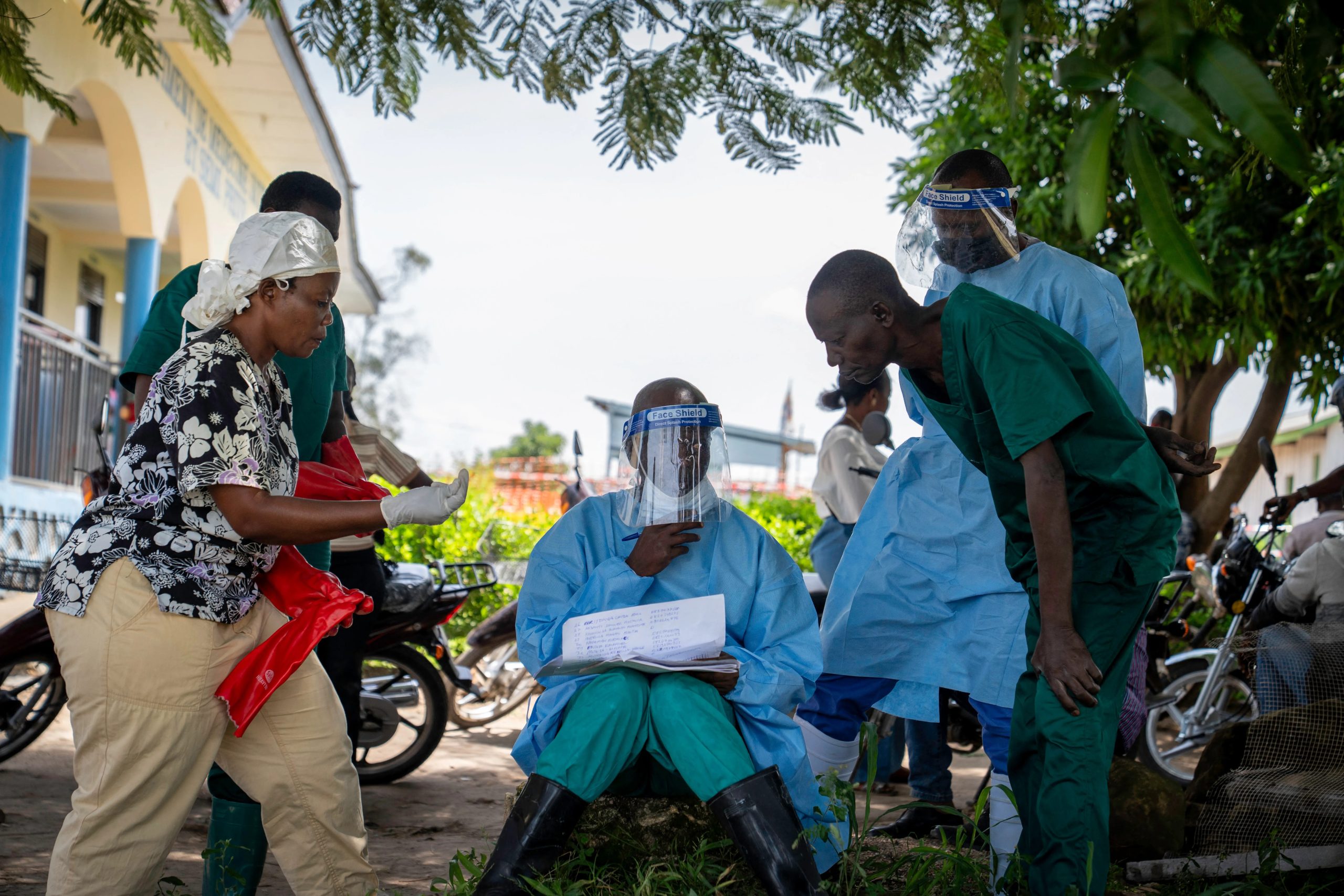
The Democratic Republic of Congo faces an escalating public health emergency as its latest Ebola outbreak continues to claim lives and expand geographically. Health authorities confirmed that the death toll has now reached 600, with the total number of confirmed cases across the country standing at 1,759. Most alarmingly, suspected cases have emerged in provinces previously untouched by the virus, signalling that containment efforts are struggling against the spread.
The Congolese health ministry announced that suspected cases have been recorded in Tshopo and Haut-Uele provinces, marking a concerning expansion beyond the initial epicentre in Ituri province. Two suspected cases were identified in Kisangani, located in Tshopo province, with one case linked to the Nia-Nia health zone in Ituri where the first cases emerged. The second case, however, has no apparent connection to known outbreak clusters, prompting urgent investigations by authorities into how the virus reached this new area.
The Rare Bundibugyo Strain and Treatment Challenges
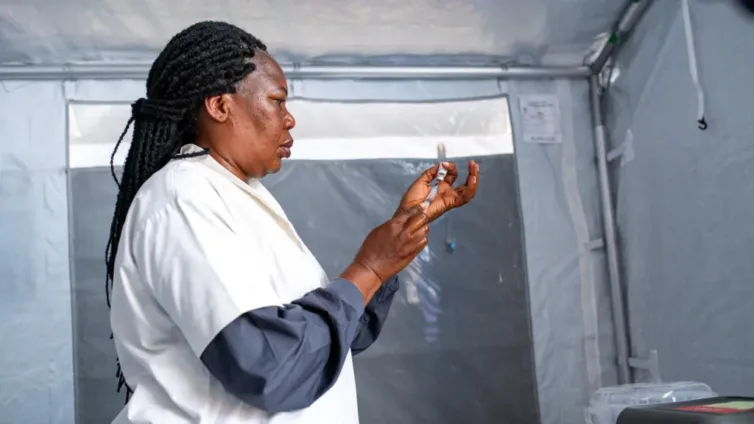
What makes this outbreak particularly troubling is that it is caused by the Bundibugyo virus—a rare strain of Ebola for which no approved vaccine or treatment currently exists. This stands in stark contrast to previous outbreaks involving other Ebola species where medical countermeasures were available. However, recent progress offers some hope: clinical trials for a new treatment began last week after researchers launched a highly anticipated study aimed at combating this specific virus strain.
The government declared the outbreak officially on 15 May, though the World Health Organisation notes that the disease had been transmitted for weeks before official detection. This lag in recognition likely contributed to the virus's initial spread before containment measures could be implemented.
Why It Matters for Ghana and West Africa
While this outbreak is occurring in Central Africa, Ghanaians and West Africans should pay close attention for several critical reasons. First, disease outbreaks anywhere on the continent pose potential risks to neighbouring regions, particularly in an interconnected ECOWAS community with significant cross-border trade and movement. Ghana has experienced health security threats before, making vigilance essential.
Second, the factors hampering Congo's response—funding gaps, attacks on health centres, and ongoing conflict—are challenges that resonate across fragile health systems in West and Central Africa. Congo's struggles offer lessons for how quickly diseases can spread when security and resources are inadequate. The emergence of cases in new provinces demonstrates how rapidly Ebola can exceed containment boundaries.
Third, the international health community's response to this outbreak, including clinical trials and resource mobilisation, will likely inform regional preparedness strategies. Ghana's health authorities monitor such developments closely to strengthen their own disease surveillance and rapid response mechanisms.
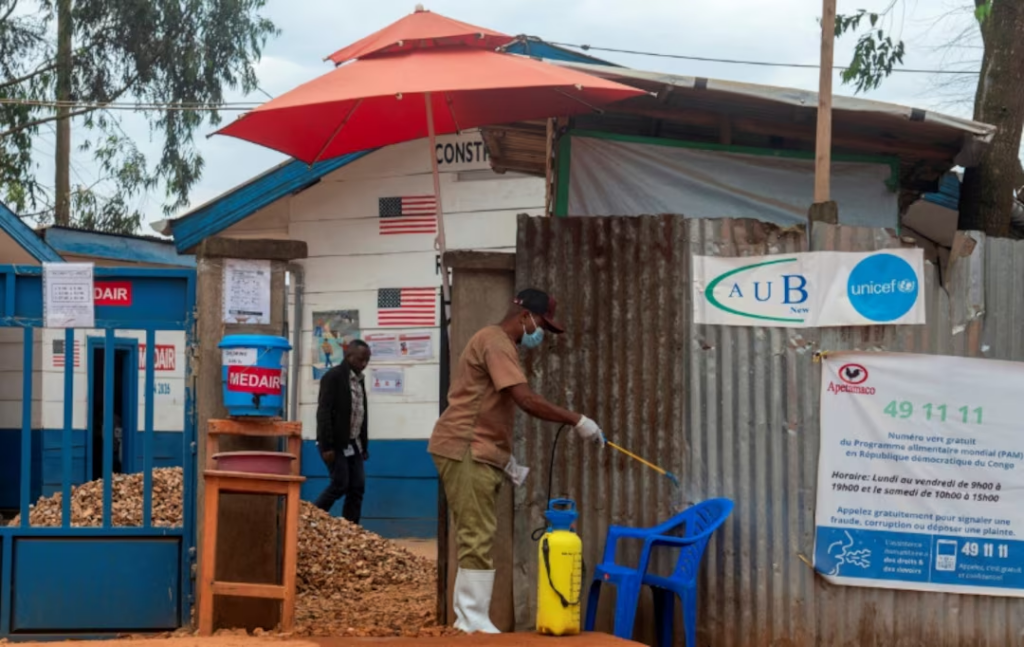
Authorities in Congo have identified critical obstacles to containing the virus. Attacks on health centres undermine treatment efforts and disease monitoring, whilst ongoing conflict in eastern Congo complicates both access to affected populations and the deployment of response teams. A significant funding gap further constrains the scale of public health interventions needed to halt transmission.
The situation remains fluid, with investigations ongoing into cases with unclear epidemiological links. The expansion into previously unaffected provinces suggests the virus may continue spreading unless containment efforts intensify substantially in the coming weeks.
Source: The Ghanaian Times
Comments (0)
Be the first to comment.