Upper East Region's Hidden Maternal Crisis: Why 100% Antenatal Care Isn't Enough
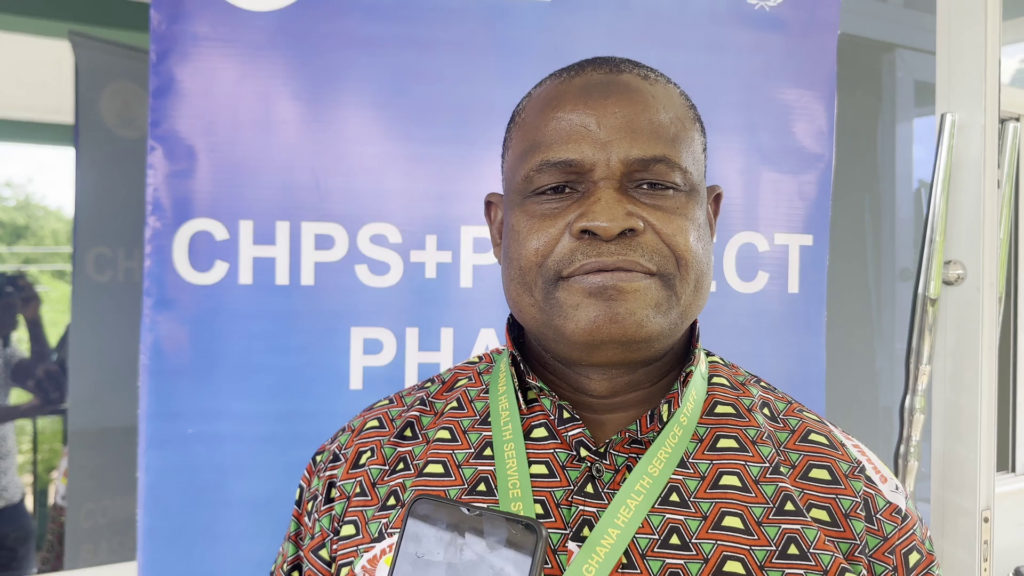
Ghana's Upper East Region has achieved a significant healthcare milestone—100 per cent antenatal care coverage for pregnant women—yet the region continues to grapple with a troubling maternal mortality crisis that defies this progress. Between January and June 2026, 27 pregnant women died during childbirth, a concerning figure that reveals a critical gap between healthcare access and actual outcomes.
While the 27 deaths represent a sharp decline from 60 maternal deaths recorded during the same period in 2025, the underlying causes point to systemic challenges that go far beyond simple statistics. Regional Health Director Dr Braimah Baba Abubakari attributes the deaths primarily to delays in pregnant women reporting to health facilities and sluggish referral systems from Community-based Health Planning and Services (CHPS) compounds to larger hospitals.
Where the deaths are concentrated
The burden is not evenly distributed across the Upper East Region. The Bawku Municipality and Builsa South District each recorded four maternal deaths during the first half of 2026—the highest concentration in the region. A temporal pattern also emerged: deaths peaked in April and May before slowing in subsequent months, suggesting seasonal or operational factors may be at play.
Dr Abubakari's analysis revealed a particularly stark reality: some women received medical intervention at health facilities but still died because they arrived too late. The underlying causes—long distances to hospitals, deteriorating road infrastructure, and delayed decision-making by families—created a fatal gap between awareness of complications and access to lifesaving care.
Why it matters for Ghana
This situation exemplifies a widespread challenge across Ghana's health system, particularly in rural and remote areas. While the country has made progress in expanding healthcare infrastructure and ensuring pregnant women receive antenatal checks, the quality of emergency obstetric care and timeliness of intervention remain critical bottlenecks. Upper East Region's experience demonstrates that good intentions and coverage statistics alone cannot prevent maternal deaths when the systems for rapid response and referral are weak.
The findings carry implications for Ghana's broader maternal health agenda. With Ghana targeting reductions in maternal mortality under the Sustainable Development Goals, regional disparities like those in Upper East highlight where investments must flow. Road infrastructure, ambulance services, communication systems, and community education about warning signs all require urgent attention.
International support and next steps
The Korea International Cooperation Agency's (KOICA) CHPS+ Project Phase II, which supports maternal and neonatal health improvements in the Upper East and North East regions, has so far not yielded the expected reductions in deaths. Project Manager Myeongseon Kim acknowledged this disconnect, noting that despite ongoing initiatives, the regions continue to struggle with preventable maternal and neonatal deaths.
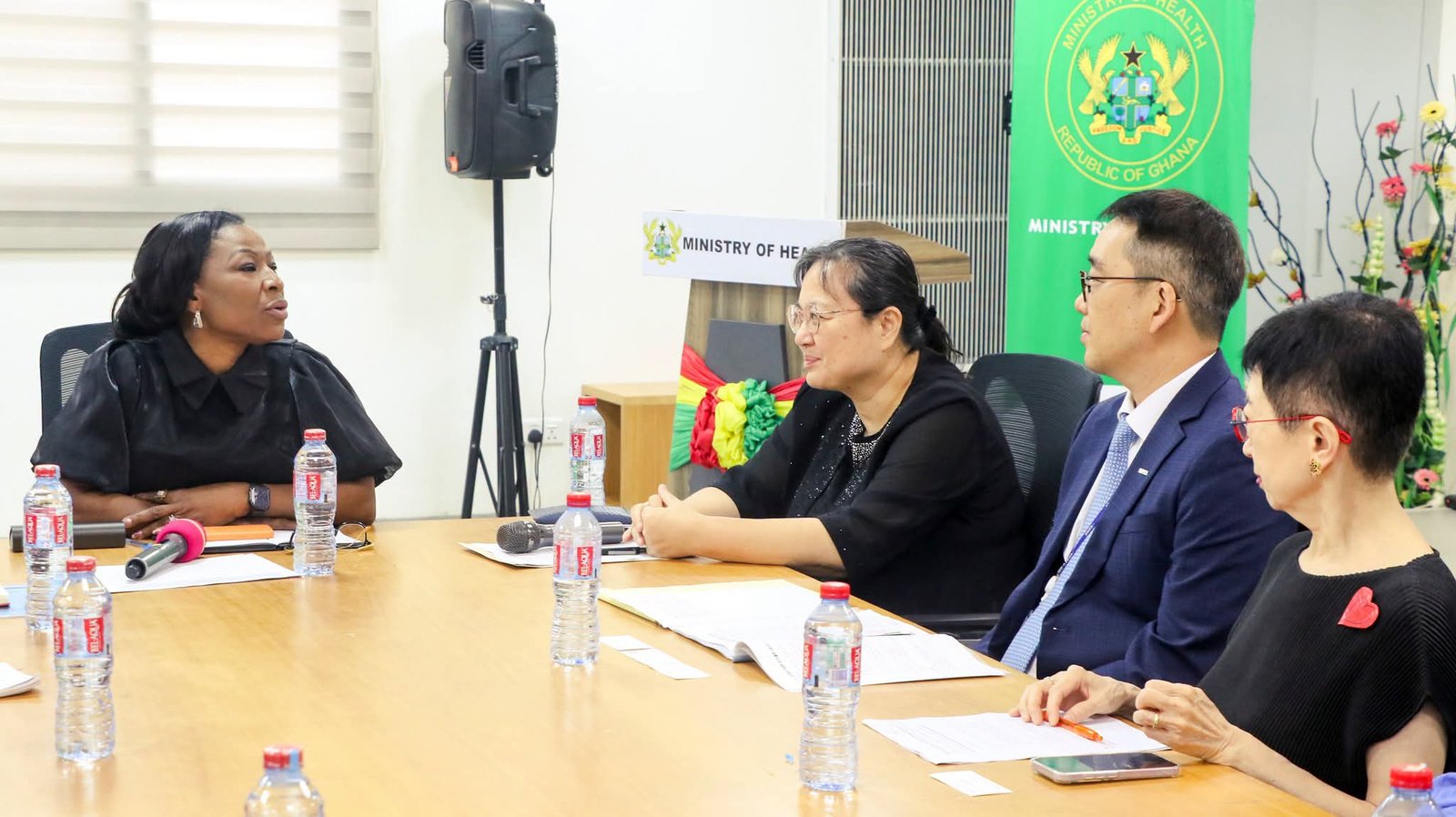
Health professionals from the Upper East, Northern, and North-East regions convened in Bolgatanga to develop practical solutions. The focus shifted toward identifying concrete action points: understanding the specific reasons behind each death, strengthening collaboration between CHPS compounds and hospitals, and ensuring pregnant women recognise danger signs early enough to seek care.
Dr Abubakari's call for stronger partnerships among health workers, caregivers, and communities addresses a crucial reality: maternal survival depends not only on clinical capacity but on cultural attitudes toward pregnancy complications and community mobilisation for timely referrals.
Source: MyJoyOnline



Comments (0)
Be the first to comment.