NIA launches special Ghana Card drive in border communities this July
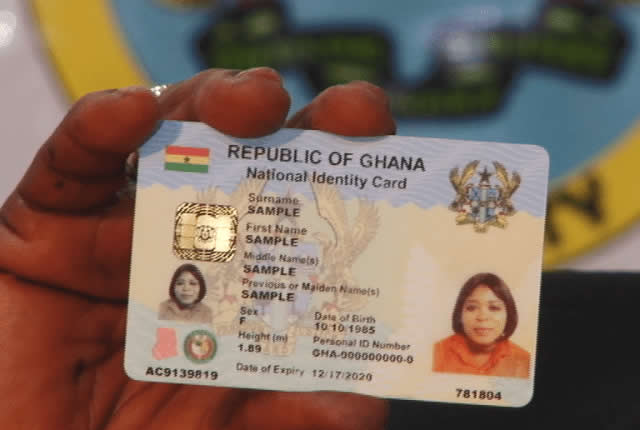
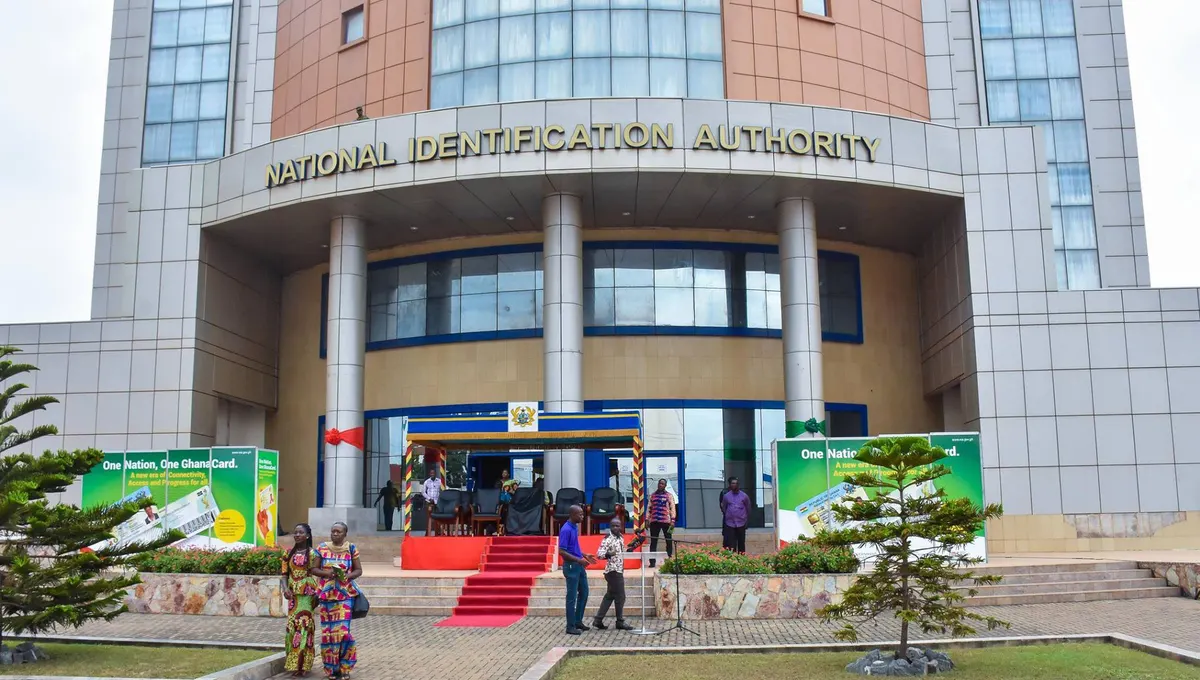
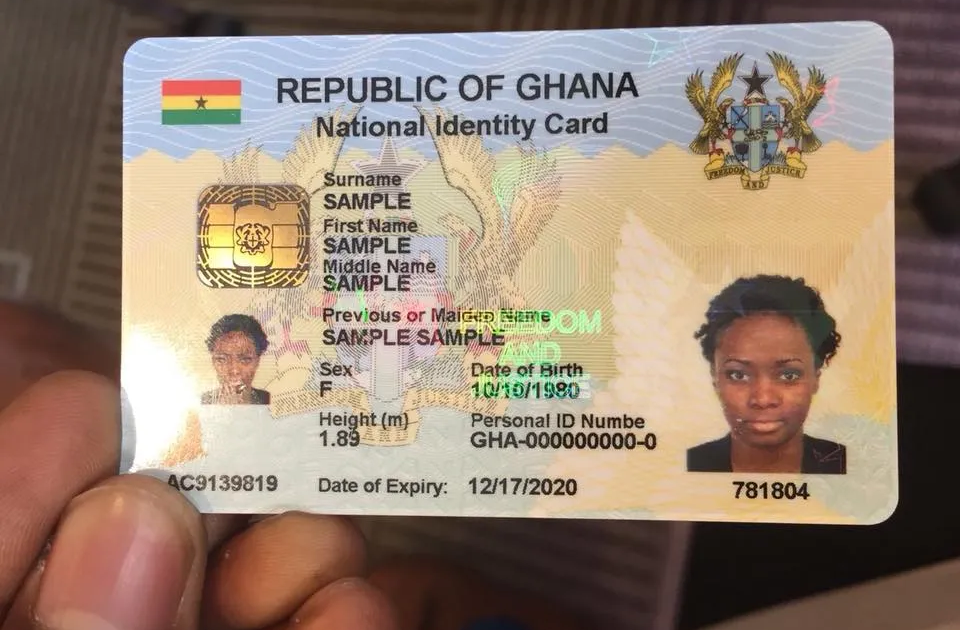
The National Identification Authority (NIA) has announced a major identification registration campaign targeting remote border communities in Ghana's north, beginning July 13 and running through August 6, 2026. The exercise, conducted jointly with the International Organisation for Migration (IOM), aims to extend Ghana Card access to eligible citizens in hard-to-reach areas along the Ghana-Burkina Faso frontier where registration infrastructure has been limited.
The initiative will operate across three districts: Sissala West and Lambussie Districts in the Upper West Region, and Kassena-Nankana West District in the Upper East Region. Registration centres will be set up in 19 communities including Gwollu, Hamile, Fielmon, Fatchu, Wiero, Dahile, Happa, Jitong, Kupulma, Kwala, Puzene, Bamwon, Kokoligu, Gwaru, Nania, Bisiawo, Numoro, Kuni and Zeng.
The drive builds on a successful pilot programme conducted in Pusiga during 2024, which demonstrated demand for identification services in border settlements. The NIA is urging all Ghanaians aged six years and above who have not yet obtained a Ghana Card to register during this window.
Who can register and what documents are needed
Eligible applicants must present one of the following: an original birth certificate, a valid Ghana passport, proof of naturalisation, or a certificate of acquired citizenship. Those without these documents are not automatically excluded. The NIA permits alternative registration pathways where applicants can be vouched for under oath by either one eligible relative or two approved community members who are Ghanaian citizens and already hold valid Ghana Cards.
This flexibility is particularly significant for border communities where formal documentation may be scarce, and family-based identification networks remain strong. However, the NIA has made clear that fraudulent registration carries serious consequences, with penalties including fines, imprisonment, or both for anyone providing false information or assisting non-Ghanaians to obtain a card.
Why it matters for Ghana
Border communities face unique identification challenges. Citizens in remote northern districts often struggle to access NIA facilities due to distance, transport costs and competing agricultural demands. Without Ghana Cards, residents face barriers accessing financial services, healthcare, voting rights and government benefits. The IOM partnership signals international support for Ghana's broader national identification goals whilst recognising the specific vulnerabilities of populations in border zones.
Expanding Ghana Card coverage in these communities strengthens citizen data collection, improves governance capacity and enhances security monitoring at international boundaries. For individuals, the card provides portable proof of citizenship essential for internal mobility and cross-border movement. The phased approach, carefully timed for communities, reflects lessons learned from the Pusiga pilot and suggests the NIA is adapting its deployment strategy to match local conditions and accessibility.
Ghanaians in these districts should mark their calendars and gather required documents early to avoid congestion during the registration window. The NIA is positioning this as a rare opportunity for remote populations to access national identification infrastructure without travelling to regional capitals.
Source: MyJoyOnline

Comments (0)
Be the first to comment.