Morocco's Education Minister Denies Claims He Rejected African Identity, Warns Against Misinformation
Morocco's Minister of National Education, Preschool and Sports, Mohamed Saad Berrada, has issued a strong denial of remarks circulating widely on social media that allegedly suggested Morocco distances itself from Africa and African support. The minister described the attributed comments as "entirely false and unfounded," emphasizing he never made such statements to any media organisation.
The viral claims alleged that Berrada stated Morocco "does not represent Africa," that the country's national football team represents "only Morocco and not Africa," and that Morocco "does not need Africa's support." These comments sparked significant discussion across West African media platforms and social networks, given Morocco's prominent role in continental affairs and sports.
Morocco's Reaffirmed Commitment to Africa
In his official response, Berrada stressed that the fabricated statements do not reflect his personal views nor the official position of the Kingdom of Morocco. He reaffirmed the nation's strong connection to the African continent, emphasizing that Morocco takes pride in its African identity and remains committed to deepening relationships with other African nations.
According to the statement, Morocco's historical, cultural and human relationships with the rest of Africa form a cornerstone of the kingdom's foreign policy under King Mohammed VI. The clarification underscores Morocco's ongoing efforts to position itself as an active and invested member of the African community.
Why It Matters for Ghana and West Africa
This incident highlights the risks of misinformation spreading rapidly across social media and the importance of media literacy in the digital age. For Ghanaians and other West African audiences, the story serves as a reminder that false claims about neighbouring African nations' continental commitments can fuel unnecessary discord at a time when African unity and cooperation are increasingly vital.
Morocco's emphasis on verifying information before publication is particularly relevant given how quickly unsubstantiated claims travel across regional media networks and WhatsApp groups. The minister's warning that legal action could be taken against those responsible for publishing or spreading fabricated statements also reflects growing concerns across Africa about accountability in the information ecosystem.
Football and Continental Presence
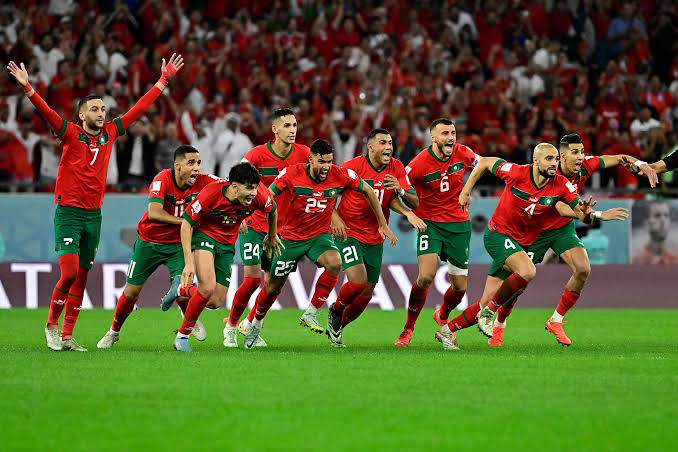
The timing of this denial coincides with Morocco's significant role in African football. The country successfully hosted the 2025 Africa Cup of Nations and is preparing to co-host the 2030 FIFA World Cup alongside Spain and Portugal. These major tournaments underscore Morocco's deepening investment in sports infrastructure and its strengthening sporting cooperation with other African nations, contradicting any notion that the country seeks to distance itself from the continent.
For Ghanaian audiences familiar with AFCON and African football dynamics, Morocco's contributions to continental sport development demonstrate tangible commitment to Africa beyond diplomatic rhetoric. The country's football initiatives represent concrete investments that benefit African players and teams across the region.
Berrada's call for greater verification of information before sharing reflects broader challenges facing African media landscapes, where false attributions and fabricated statements can rapidly damage international relationships and national reputations. His warning to journalists and media organisations resonates with concerns across Ghana and other West African nations about maintaining journalistic integrity in an era of rapid information dissemination.
Source: The Ghana Report

Comments (0)
Be the first to comment.