Human Activities Driving Species to Extinction, But Conservation Offers Hope—IUCN Red List Shows
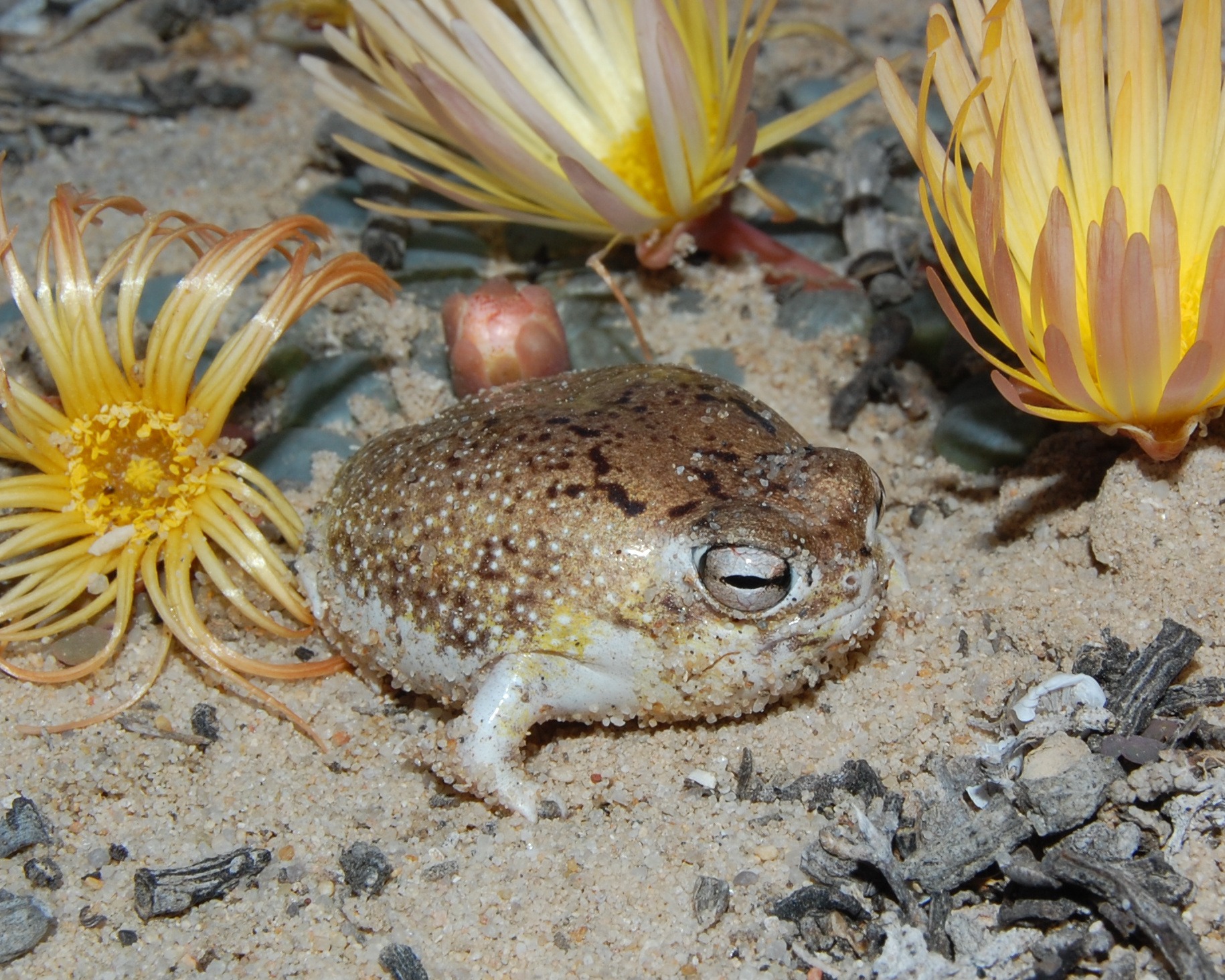
The natural world's most remarkable survival adaptations are proving no match for humanity's destructive footprint. According to the latest International Union for Conservation of Nature (IUCN) red list assessment, species from deep-sea molluscs to Africa's desert rain frogs face accelerating extinction pressures—though recent conservation successes demonstrate that reversing these trends is possible.
The assessment paints a sobering picture of biodiversity under siege. Two-thirds of the hundreds of mollusc species found exclusively on deep-sea hydrothermal vents—where water temperatures exceed 450°C—now face extinction risk from deep-sea mining operations. These creatures have spent millions of years evolving to thrive in one of Earth's most hostile environments, only to find their refuge threatened by sediment plumes from mineral extraction that smother the seafloor.
The desert rain frog presents another striking example of evolutionary mastery meeting human indifference. This bulbous amphibian requires almost no water, an extraordinary adaptation for survival in southern Africa's arid regions. Yet diamond mining and energy infrastructure expansion along the west coast of South Africa and Namibia have classified the species as vulnerable. The frog's plight worsened after a viral video of its distinctive squeaking distress call drove demand in the exotic pet trade.
When Conservation Works: The Numbat Recovery
Amid these grim statistics lies a crucial message: nature conservation demonstrably works. Australia's numbat, a striped termite-eating marsupial, has become a conservation success story. Numbers have rebounded from just 300 in the late 1970s to between 2,000 and 3,000 today, allowing the species to move from endangered to near-threatened status on the red list.
This recovery required sustained, multifaceted effort. Baiting programmes and predator-proof fencing have reduced impacts from feral cats and foxes—the primary threats to Australia's small marsupials. Captive breeding at Perth Zoo and translocations from healthy populations have established at least five self-sustaining groups across southern Australia. However, the numbat now occupies only 0.04% of its original range, underscoring that recovery remains fragile and demands continued vigilance.
The contrast is stark: whilst the numbat shows what dedicated conservation achieves, five other Australian marsupials have been formally confirmed as extinct on the red list, with no sightings in at least 60 years. The crest-tailed, southern, northern and little mulgaras—rat-sized carnivores—and the rabbit-sized little bettong likely succumbed to predation by introduced cats and foxes. Across Australia, more than 40 modern mammal extinctions have been recorded.
Why It Matters for Ghana and Africa
While these examples span deep oceans and distant continents, the principles revealed by the IUCN assessment carry urgent relevance for Africa. Ghana and other West African nations face mounting pressures on biodiversity from habitat loss, illegal wildlife trade, and resource extraction. The deep-sea mining threat documented in the red list directly affects African nations with Atlantic maritime territories, as mining operations in international waters and exclusive economic zones can impact regional ecosystems and fish stocks vital to coastal communities.
The numbat's recovery also offers a template. Successful species protection requires government commitment, international cooperation, and sustained funding—resources that African conservation programmes often lack. The extinction of Australia's marsupials illustrates how introduced species and inadequate management can trigger cascading ecological collapse. Ghana's wildlife, from forest elephants to marine turtles, faces similar threats from poaching, habitat degradation, and human-wildlife conflict. The deep-sea vent molluscs' plight carries particular significance for ECOWAS nations with fishing-dependent economies, as ecosystem degradation threatens food security.
Dr Grethel Aguilar, IUCN director general, summarised the broader imperative: "Life on Earth has adapted to survive in the most hostile and unusual habitats, but as pressures on biodiversity mount across the planet, even creatures with the most ingenious survival strategies are under threat. But there is a clear path out of the biodiversity crisis: nature conservation works."
The message is unambiguous. Without deliberate, funded conservation action, the numbat's success will remain the exception rather than the rule. For Africa and Ghana specifically, the cost of inaction—measured in extinct species, collapsed fisheries, and diminished ecosystem services—far exceeds the investment required for protection.
Source: The Ghana Report



Comments (0)
Be the first to comment.