
Ebola returns to West Africa: Nigerian case linked to Uganda outbreak, raising regional alarm
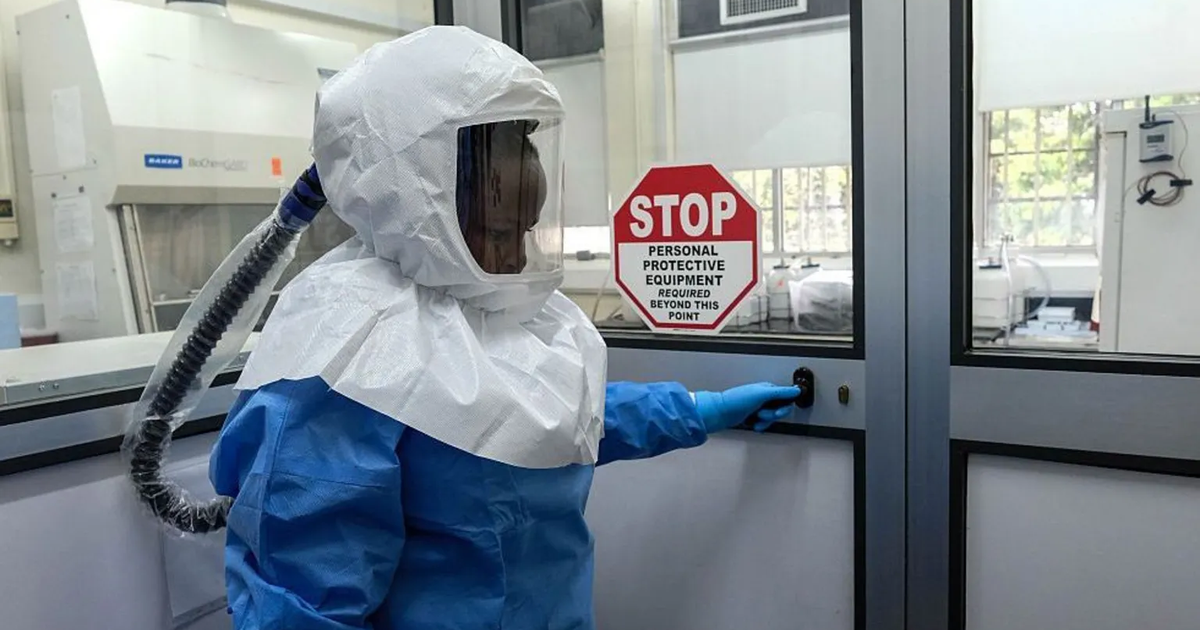

Nigeria has confirmed its first Ebola case in more than ten years, marking a worrying resurgence of the deadly virus in West Africa. The patient is a 42-year-old Ugandan-born woman living in Abuja who tested positive on 20 October. Her case has reignited concerns about the disease's ability to cross borders, particularly given recent outbreaks in neighbouring Uganda and the ongoing epidemic in the Democratic Republic of Congo (DRC).
The woman, identified as the wife of a Swiss diplomat, travelled to Uganda in early October before returning to Nigeria on 3 October. She developed symptoms four days after arrival in Abuja and initially sought treatment at private health facilities before her positive diagnosis. Her husband is currently in isolation but shows no symptoms, whilst the Swiss embassy in Nigeria—staffed by 25 personnel—has been cleared by health authorities and remains operational.
The source of her infection remains unclear, though health investigators are examining several possibilities. One line of inquiry focuses on potential exposure at Entebbe Airport in Uganda, where the woman may have crossed paths with a Kenyan man who died from Ebola on the same day. The Kenya patient, who had travelled from the DRC, became the first confirmed Ebola death in Kenya. However, officials have not yet established whether the two cases are directly linked or share a common source of infection.
The investigation: piecing together the puzzle
Tracing the woman's exposure has proven challenging. The Africa Centres for Disease Control and Prevention (Africa CDC) is working with Nigerian, Ugandan and WHO teams to reconstruct her complete travel and exposure history. Investigators are prioritising genomic sequencing to determine whether her infection is related to the DRC outbreak or other regional cases.
Initial reports suggested the woman had travelled to eastern DRC for business, but the WHO, Africa CDC and Nigerian health authorities say they have not received verified confirmation of DRC travel. Uganda has maintained it is Ebola-free since August, though the virus circulated there earlier this year after spillover from the DRC. The woman reportedly spent about two and a half weeks in Uganda before returning to Nigeria.
Nigerian health officials have identified 44 initial contacts of the woman and are expanding their tracing efforts. The woman is receiving treatment in isolation at an Abuja facility and is showing signs of improvement, according to WHO reports.
Why it matters for Ghana
This case carries significant implications for Ghana and the broader West African region. Ebola's re-emergence in Nigeria—a major regional transport and commercial hub—heightens the risk of spread across ECOWAS borders. With air travel linking Lagos, Accra and other West African capitals, rapid disease surveillance and border health protocols become critical.
Ghana's health system, alongside those of Côte d'Ivoire, Benin and other neighbouring states, should strengthen preparedness measures. The incident underscores the importance of regional coordination through the Africa CDC and WHO, as well as transparent information-sharing between governments. Nigeria's swift identification and isolation of the case is encouraging, but ongoing vigilance is essential as investigators work to determine whether community transmission has occurred.
Kenya's confirmation of nine cases linked to its first Ebola death—with authorities warning that "we are not out of the woods"—demonstrates how quickly the virus can spread once it reaches transport hubs. Ghana's health authorities should review protocols for detecting and responding to suspected cases, particularly among travellers from affected regions.
Source: MyJoyOnline



Comments (0)
Be the first to comment.