
Jomoro MP Backs Major $28bn Petroleum Hub Expansion as Ghana Advances Oil Infrastructure Dreams


Ghana's oil sector is set for significant expansion following the signing of a Phase Two agreement for the country's $28 billion Petroleum Hub project, with Jomoro Member of Parliament Dorcas Affo-Toffey throwing her support behind the development.
The Jomoro constituency, located in the Western Region near major oil operations, stands to be directly affected by this infrastructure expansion. Affo-Toffey's backing of the project reflects the potential economic opportunities the hub promises for her constituents and the broader region where Ghana's petroleum wealth is concentrated.
What Is the Petroleum Hub Project?
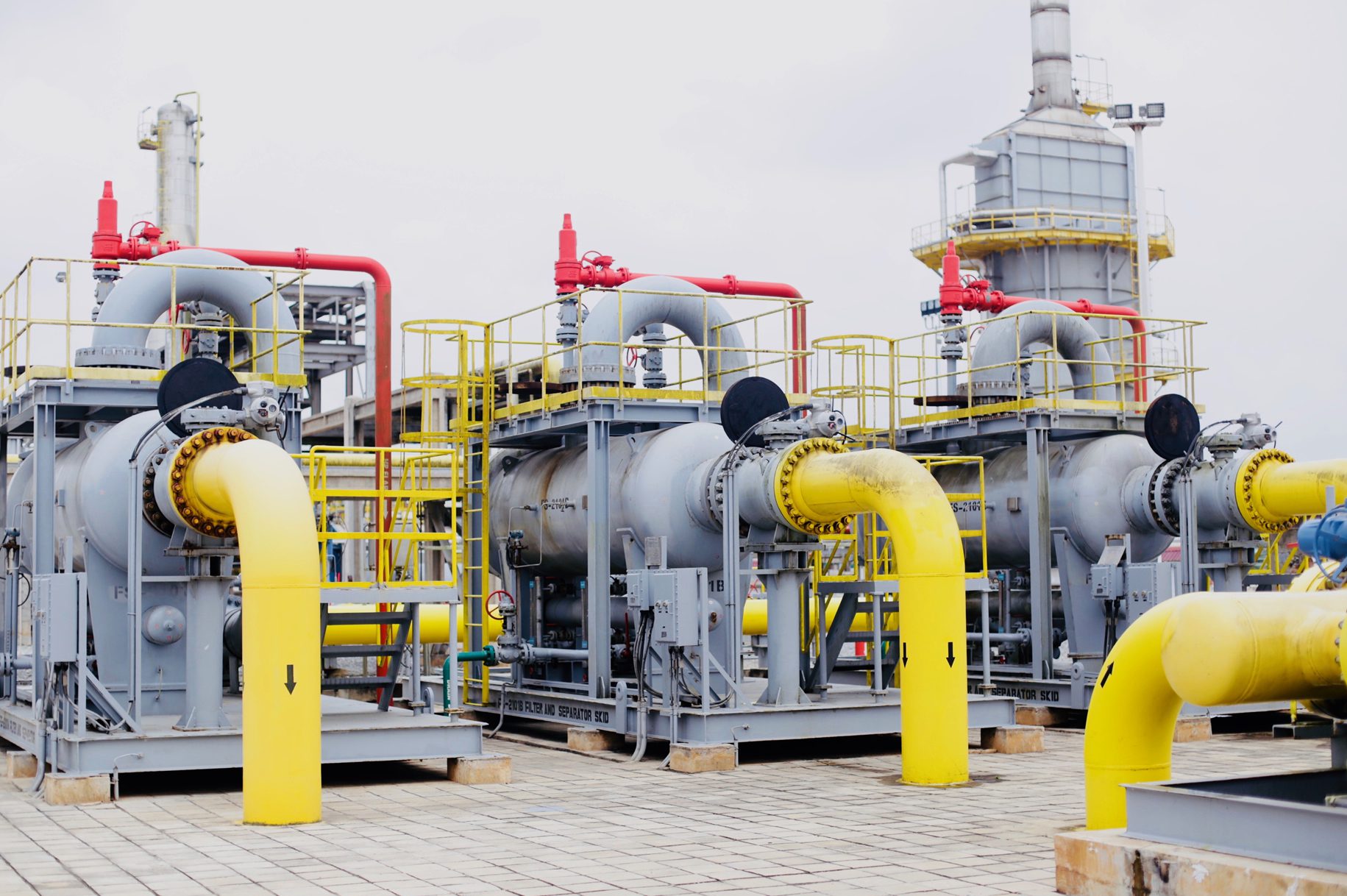
Ghana's Petroleum Hub represents an ambitious effort to develop integrated oil and gas infrastructure that would position the country as a regional energy centre. The project involves creating facilities to process, store and distribute petroleum products more efficiently, reducing operational costs and attracting upstream investment. The $28 billion investment scale underscores its significance as one of Ghana's largest industrial projects in recent years.
The move into Phase Two suggests that feasibility studies and initial negotiations have been completed, and the project is advancing toward implementation stages. This typically involves detailed design work, environmental assessments, and finalisation of investment and construction agreements.
Why It Matters for Ghana
The Petroleum Hub carries substantial implications for Ghana's economy and long-term energy strategy. Successful completion could generate thousands of jobs, both during construction and in permanent operations. It would also increase government revenue through taxes and royalties, funds badly needed for development priorities like healthcare and education.
Beyond immediate economic gains, the hub could enhance Ghana's standing in the global energy market and provide competitive advantages for oil and gas companies operating in West African waters. For the Western Region specifically, infrastructure development typically brings road improvements, increased commercial activity, and business opportunities for local entrepreneurs.
However, large-scale petroleum projects also carry environmental and social risks. Communities near such facilities require robust protections, including pollution monitoring, health facilities, and compensation mechanisms for any negative impacts. Transparency in project agreements and implementation will be crucial to ensuring benefits reach ordinary Ghanaians rather than concentrating wealth among elites and foreign investors.
Road Ahead and Parliamentary Oversight
Parliamentary support from representatives like Affo-Toffey is important, though parliamentarians must also balance enthusiasm with critical oversight. Ghana's Parliament should scrutinise contract terms, environmental safeguards, and local content requirements to ensure the project serves national interests.
The project timeline and funding sources remain key questions. Determining whether investment comes from government, private sector, or mixed partnerships will affect how benefits and risks are distributed across society. Clear communication with residents in affected areas, particularly in Jomoro and surrounding communities, will also be essential for social licence to operate.
As Ghana navigates its energy transition globally, decisions about major petroleum infrastructure investments warrant careful deliberation. The Petroleum Hub could cement Ghana's role as an energy hub or become a cautionary tale of unsustainable development.
Source: 3News



Comments (0)
Be the first to comment.