Mahama Commissions TOR's Rebuilt Crude Distillation Unit in Major Energy Infrastructure Milestone

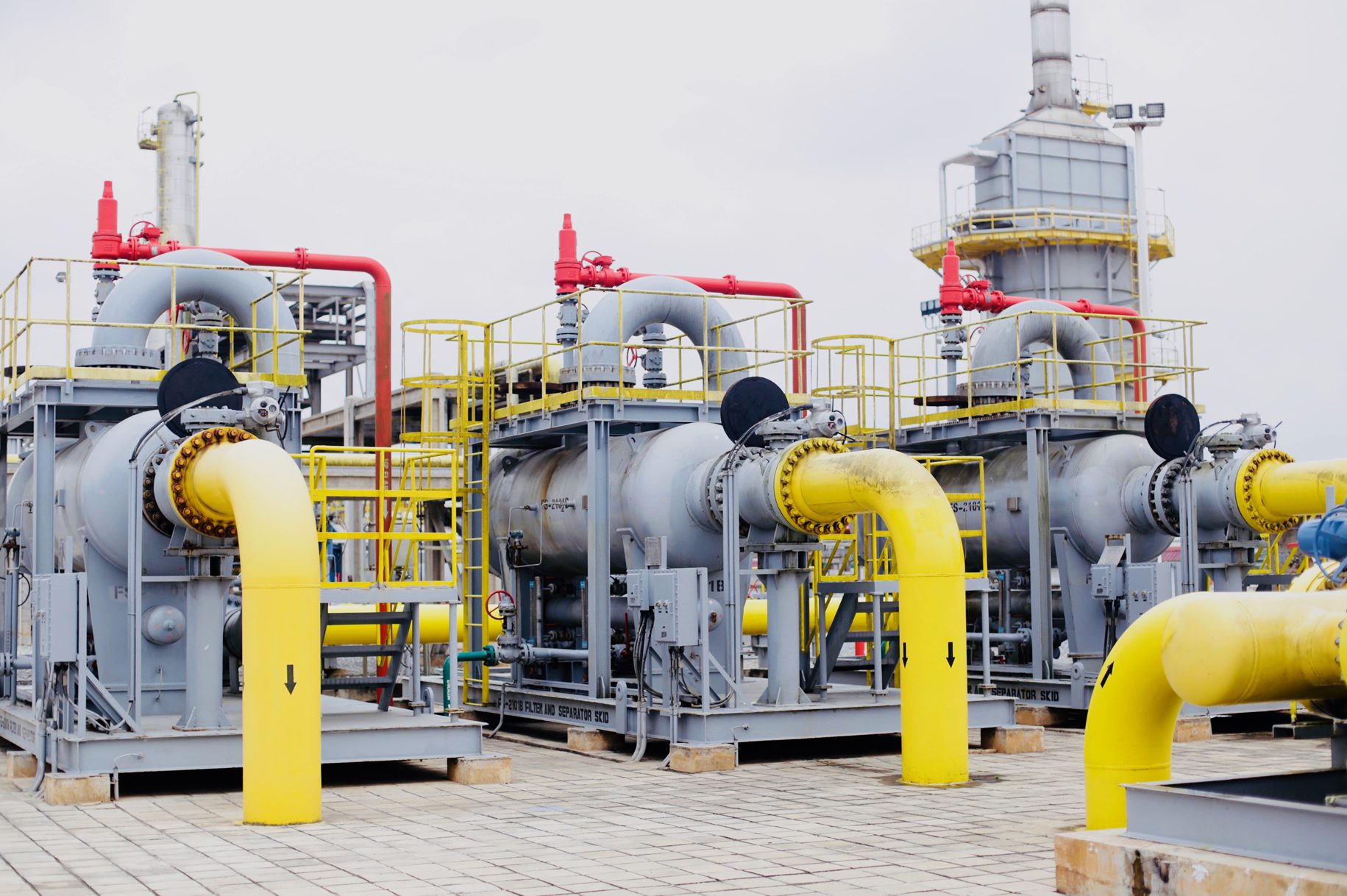
President John Dramani Mahama has formally commissioned the refurbished Crude Distillation Unit (CDU) at the Tema Oil Refinery (TOR), marking a significant development in Ghana's efforts to restore operational capacity at the nation's primary oil processing facility.
The Crude Distillation Unit is the primary component of any petroleum refinery, responsible for separating crude oil into various products including petrol, diesel, and fuel oil through heating and fractional distillation. The refurbishment of TOR's CDU represents substantial investment in Ghana's energy infrastructure at a time when the refinery has faced years of underutilisation and maintenance challenges.
Strategic Importance for Ghana's Energy Security
The commissioning of the refurbished CDU holds particular significance for Ghana's downstream petroleum sector. TOR has historically been central to meeting domestic fuel demand and reducing dependence on imported refined products. A functioning refinery strengthens Ghana's energy security, stabilises fuel prices, and generates foreign exchange savings by processing crude oil domestically rather than relying entirely on imports.
The refinery also provides employment for hundreds of workers and contributes to the Tema industrial economy. Beyond direct economic benefits, a well-operated TOR can help insulate Ghana from international crude price volatility and supply disruptions, critical considerations for a petroleum-producing nation navigating uncertain global energy markets.
Context: Years of Operational Challenges
TOR has struggled with extended periods of reduced operations and maintenance backlogs over the past decade. Equipment deterioration and limited capital investment led to extended shutdowns, forcing Ghana to import more refined petroleum products at higher costs. The refurbishment project addresses these longstanding issues and signals the government's commitment to rehabilitating critical national infrastructure.
Successful commissioning of the CDU follows earlier repair and upgrade initiatives at the facility. However, sustained operation depends on adequate crude oil feedstock supply, routine maintenance funding, and skilled workforce management. Ghana produces crude oil from its offshore fields, which can theoretically supply TOR, though logistical and contractual arrangements must be properly coordinated.
What This Means for Ghanaian Consumers and Economy
If the refurbished unit operates reliably, Ghanaians may eventually benefit through more stable fuel prices and improved supply reliability. Increased domestic refining capacity reduces pressure on foreign exchange reserves otherwise spent on imported fuel. The refinery's revival also supports broader economic growth by reducing production costs for businesses dependent on energy inputs.
However, the success of this infrastructure investment depends on consistent operations, proper maintenance funding, and political commitment over the medium term. Ghana must ensure TOR operates efficiently and maintains the refinery properly to realise the full benefits of this capital expenditure.
Source: 3News

Comments (0)
Be the first to comment.