Ghana's Energy Minister Charts Path to Oil Sector Control: From Foreign Contracts to Local Ownership

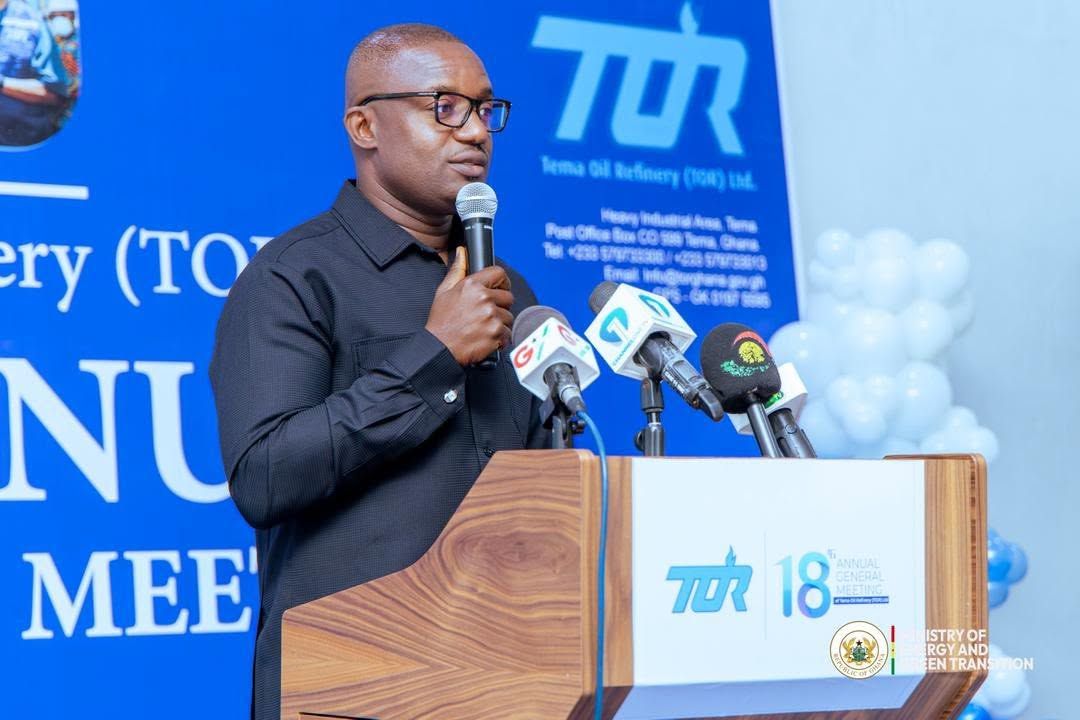
Ghana's Energy Minister has laid out an ambitious vision for the country's petroleum industry, calling for a fundamental shift in how the nation engages with its oil wealth over the next 15 years. The focus, he argues, must move away from passive participation in contracts controlled by foreign firms towards building genuine Ghanaian capability and securing ownership stakes in upstream operations.
This strategic pivot represents a critical juncture for Ghana's oil sector, which has been central to the country's economic growth since production began at the Jubilee Field in 2010. However, concerns about value capture—the proportion of oil revenues that actually benefit Ghana—have prompted policymakers to rethink the relationship between the state and international oil companies.
From Participation to Real Control
The Minister's vision distinguishes between two models of engagement. Currently, Ghana primarily operates as a participant in production-sharing agreements where foreign multinational corporations hold the operational reins and technical expertise. The government receives royalties and tax revenue, but strategic decisions about how fields are developed, maintained and optimised rest with international partners.
Under the proposed transformation, Ghana would transition towards direct ownership and operational control of petroleum assets. This would require significant investment in local technical expertise, regulatory capacity, and capital to acquire or co-develop fields. Several African nations, including Nigeria and Angola, have pursued similar localisation strategies with varying degrees of success, attempting to reduce dependence on foreign operators and increase the skills and wealth that remain within their borders.
Why It Matters for Ghana
This shift carries substantial implications for Ghana's economy and future generations. First, it addresses concerns about resource curse economics—the paradox where resource-rich nations sometimes grow more slowly than resource-poor neighbours. Localising control could help ensure oil revenues translate into sustainable economic development, skills transfer, and industrial diversification rather than concentrating wealth in foreign corporations.
Second, the plan directly affects employment and skills development. Building a capable upstream sector requires Ghanaians trained in petroleum engineering, geoscience, project management, and specialised trades. This creates pathways for high-skilled, well-paid careers within the country and reduces the need to import foreign expertise.
Third, ownership restructuring impacts government revenue and fiscal flexibility. Greater Ghanaian ownership means more profits potentially flowing to the state and local entities, improving public finances available for healthcare, education, and infrastructure—provided transparent governance mechanisms are in place.
Challenges Ahead
Realising this vision requires overcoming significant obstacles. Capital costs are substantial; acquiring stakes in producing fields or developing new discoveries demands billions of cedis. Ghana's domestic capital markets and sovereign wealth fund (the Ghana Petroleum Funds) have limitations. Technical expertise gaps exist across the industry, and training qualified personnel takes years. Additionally, international oil companies have contractual rights and will resist unfavourable renegotiations, potentially leading to legal disputes.
The timeframe of 15 years is neither trivial nor unrealistic, though it demands consistent policy implementation, substantial investment, and institutional stability across government administrations.
Source: 3News

Comments (0)
Be the first to comment.