
Independent Candidate Koranteng Demands Mahama's Resignation Over Governance Failures
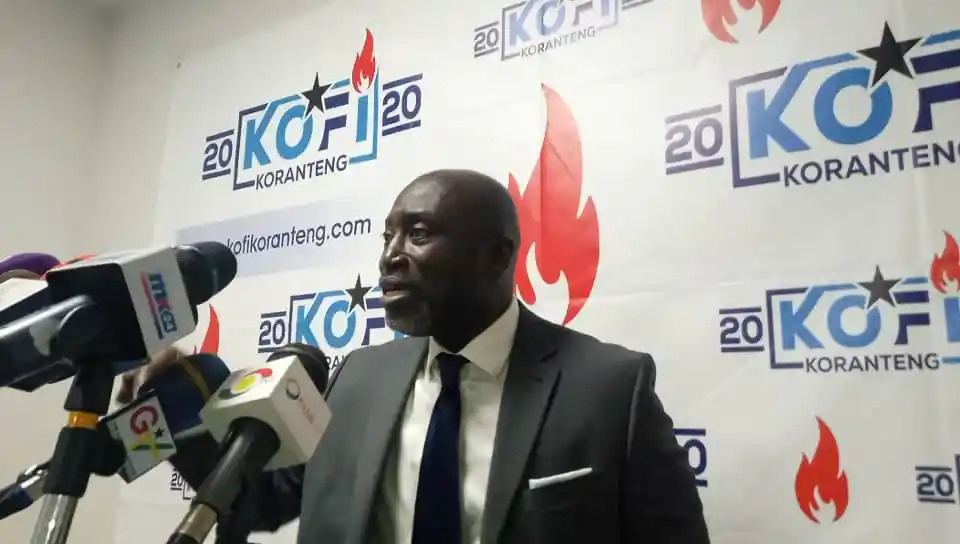

Independent presidential candidate Kofi Koranteng has launched a scathing critique of President John Dramani Mahama's administration, calling for his immediate resignation and arguing that the government has fundamentally failed to deliver on the expectations that accompanied his return to power in 2025.
Speaking in a recent interview, Koranteng expressed deep frustration with what he characterises as systemic underperformance across critical government functions. Rather than the transformative leadership many Ghanaians anticipated, Koranteng contends the administration has delivered stagnation on the very issues voters prioritised during the election campaign.
Key Governance Failures Under Fire
Koranteng specifically highlighted three interconnected crises that he argues demonstrate the administration's inability to govern effectively. The persistence of corruption across government institutions, he argues, undermines public confidence and diverts resources away from development. Illegal mining, or galamsey, remains a plague on Ghana's environment and water security despite being a focal point of electoral promises. Meanwhile, youth unemployment continues to drive desperation and migration, with no credible government strategy to reverse the trend.
The independent candidate framed these failures not as isolated shortcomings but as symptoms of deeper governance weakness. He stressed that tackling such entrenched problems demands decisive leadership, coherent policy frameworks and genuine commitment to implementation—qualities he suggests the current administration lacks.
Koranteng called specifically for stronger transparency mechanisms, robust anti-corruption enforcement and targeted youth employment programmes. He also demanded that the President accept personal accountability for these failures rather than deflecting blame to inherited challenges or external factors.
Why It Matters for Ghana
Koranteng's intervention reflects broader public frustration that is already surfacing across Ghana's political and civil society landscape. While his candidacy may carry limited electoral weight as an independent, his criticisms echo concerns being raised by ordinary Ghanaians, civil society organisations and even some government backbenchers.
The substance of his critique matters more than his political standing. Ghana faces genuine crises: galamsey operations continue to poison water sources despite repeated government pledges to halt them; corruption remains endemic and undermines service delivery; and unemployment, particularly among youth, remains stubbornly high. These are not partisan complaints but measurable governance indicators.
The timing of such calls is significant. Early in any administration's tenure, vocal criticism can either spur course correction or harden positions depending on how leadership responds. For Mahama's government, the challenge is distinguishing between legitimate accountability demands and partisan opposition noise—and then acting decisively on genuine problems.
Ghana's democratic health depends partly on whether such critique leads to meaningful engagement and policy adjustment or whether it devolves into performative politics where promises and delivery remain perpetually misaligned. The government's response to Koranteng and similar voices will signal how seriously it takes its own pledges on corruption, environment and jobs.
What Lies Ahead
Rather than resignation—which remains practically and constitutionally unrealistic—the substantive question is whether the Mahama administration will recalibrate its approach to these crises. Ghanaians granted this government a second chance based partly on promises of better governance. The pressure, from both independent voices and the broader public, is now on delivery.
Source: The Ghana Report


Comments (0)
Be the first to comment.