
Ghana's Moral Mirror: Why Defending Corruption Blocks Our Path to Progress

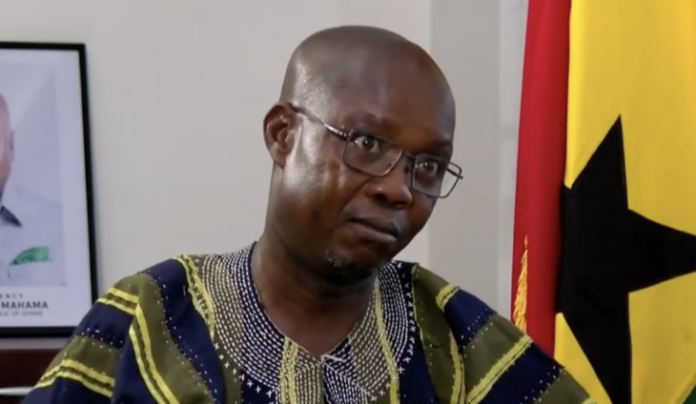
Ing. Prof. Douglas Boateng, a Chartered Director and governance strategist, has issued a stark challenge to Ghana and other African societies: we cannot pray for solutions while actively protecting the problems. His message cuts deeper than the usual anti-corruption rhetoric—it diagnoses a troubling national pattern where citizens and leaders alike know exactly what is wrong, yet find themselves defending or tolerating it.
The argument centres on a simple but unsettling observation: the hardest patient to treat is not one unaware of illness, but one who understands the consequences, has access to treatment, and continues the very habits making him sick. When entire societies behave this way, we disguise it under softer language—politics, culture, loyalty, tradition. Yet the outcome remains the same: each generation inherits the damage from the last.
The Reversal of Our Moral Compass
Boateng identifies a dangerous normalisation of abnormal behaviour across Ghanaian institutions. Procurement officers who insist on proper due process get accused of delaying progress. Board directors who raise questions about questionable investments receive uncomfortable glances. Citizens who refuse dishonest arrangements are advised to "be realistic."
This creeping acceptance follows a predictable pattern: what once shocked us becomes familiar; what is familiar becomes tolerated; what is tolerated becomes defended; and what is defended eventually becomes institutionalised. At that final stage, society is no longer merely suffering from corruption or indiscipline—it is actively helping these problems survive.
A particularly troubling aspect involves political loyalty overriding moral consistency. The same questionable contract condemned under one government gets explained away under another. The evidence remains identical; only the political colours change. This selective morality—where wrongdoing is judged by party affiliation rather than principle—erodes institutional authority, destroys citizen confidence, and makes accountability impossible.
Why It Matters for Ghana: Real Costs, Real Consequences
The abstract principle meets concrete reality in Ghana's environmental crisis. In January 2025, Ghana Water Company shut its Bonsa headworks facility in Tarkwa Nsuaem after illegal mining contaminated the river so severely it became, in the plant manager's words, "just mud." This single act cut water supply to 75 percent of the district's population. Yet the illegal mining persists because it involves a complex web of financiers, operators, buyers, weak enforcement, and—critically—community tolerance. Sometimes the same people demanding government action also expect enforcement officers to spare their relatives or politically connected associates.
Accra's flooding disaster offers another window into this paradox. The June 2015 floods near Kwame Nkrumah Circle killed over 150 people in a single night, yet a decade later choked drains and illegally erected structures still block waterways. When streets flood today, rainfall gets blamed as the principal culprit—despite obvious evidence that poor drainage infrastructure and urban sprawl are the real causes. The water, Boateng notes, does not check party membership before entering homes.
These are not hypothetical governance problems. They are killing Ghanaians, limiting economic opportunity, and mortgaging the future of the next generation. When we defend the causes of our suffering—whether through inaction, selective enforcement, or loyalty-based morality—we are actively choosing short-term comfort over long-term survival.
The Challenge Before Us
The uncomfortable truth is that Ghana possesses the knowledge, institutions and capacity to address corruption, indiscipline and environmental degradation. What it lacks is the collective will to defend these principles consistently, regardless of who benefits or who loses. That requires something far harder than policy reforms: a genuine reversal of the moral compass that currently guides public behaviour.
For Ghana to move forward, citizens, leaders and institutions must accept that principles cannot bend with political seasons, that integrity cannot be conditional on personal benefit, and that defending wrongdoing—directly or through silence—is choosing national decline. The next generation's inheritance depends on today's choices, not today's excuses.
Source: MyJoyOnline


Comments (0)
Be the first to comment.