NDC demands accountability from all public officials as corruption fight intensifies

The National Democratic Congress (NDC) has intensified calls for systematic accountability measures targeting all officials who have served in government, arguing that failure to enforce such standards perpetuates Ghana's corruption crisis. The push comes as the country grapples with ongoing concerns about public sector integrity and the misuse of state resources.
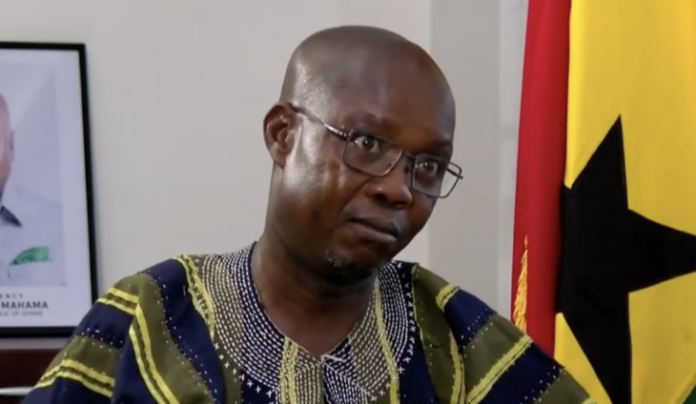
Roger TD Wills, a senior NDC figure, has emphasised that comprehensive accountability must extend across all tiers of government administration. According to Wills, the absence of meaningful consequences for officials who breach public trust creates a culture of impunity that undermines development efforts and erodes public confidence in state institutions.
The corruption problem in Ghana
Ghana has consistently ranked poorly on corruption indices, with reports highlighting vulnerabilities across procurement, contract management, and resource allocation. Officials at various levels—from local assemblies to ministerial positions—have faced allegations of financial impropriety, though prosecutions remain relatively limited. The lack of visible accountability mechanisms, critics argue, sends a signal that government service can be exploited without serious repercussions.
The NDC's position reflects broader frustration across civil society and opposition parties about the pace and scope of anti-corruption enforcement. Transparency advocates have called for stronger institutional mechanisms to investigate allegations, recover misappropriated funds, and impose consequences proportionate to offences committed.
Why it matters for Ghana
Accountability is fundamental to Ghana's democratic development and economic progress. When officials operate without fear of investigation or consequence, public resources that could fund healthcare, education, and infrastructure are diverted. This directly impacts ordinary Ghanaians' access to essential services.
The accountability debate also touches on political legitimacy. Citizens are more likely to comply with laws and contribute taxes when they perceive the system as fair and transparent. Conversely, widespread perception of unpunished corruption encourages cynicism and reduces state capacity to function effectively.
For Ghana's development agenda—whether attracting foreign investment, improving public service delivery, or strengthening institutions—tackling corruption through rigorous accountability is essential. International partners and rating agencies increasingly scrutinise governance standards, affecting Ghana's borrowing costs and investor confidence.
Moving forward
The NDC's call reflects a recurring campaign theme ahead of electoral cycles in Ghana. However, the substance of the argument resonates across party lines: robust accountability mechanisms, transparent investigations, and proportionate consequences for wrongdoing are prerequisites for institutional reform.
Key mechanisms that have been discussed include strengthened parliamentary oversight, independent investigative bodies, whistleblower protections, and asset recovery initiatives. Implementation, however, has often lagged behind rhetoric, partly due to political considerations and limited institutional capacity.
Whether the next government—regardless of electoral outcome—will implement comprehensive accountability reforms remains to be seen. What is clear is that Ghanaians across the political spectrum increasingly expect meaningful action rather than merely rhetorical commitment to fighting corruption.
Source: 3News

Comments (0)
Be the first to comment.