
Parliament's Vetting Chair Denies Bribery Allegations Against Committee Members
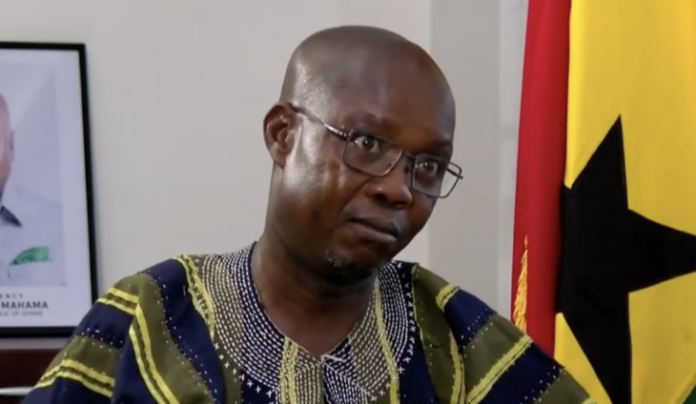

Bernard Ahiafor, the chairperson of Parliament's Vetting Committee, has made a forthright denial that members of the committee have ever solicited or accepted money, bribes, or gifts from nominees appearing before them for consideration.
The statement comes amid longstanding concerns about the integrity of Ghana's vetting process and public confidence in parliamentary oversight. Ahiafor's assertion addresses a persistent critique that has shadowed Ghana's appointment confirmation process, where questions have periodically arisen about the propriety of interactions between committee members and nominees.
Context: Ghana's Vetting and Appointments Process
Parliament's Appointments Committee, formally known as the Vetting Committee, plays a critical constitutional role in evaluating and confirming presidential appointees across ministries, agencies, and other state institutions. This gatekeeping function is essential to democratic accountability, as it allows lawmakers to scrutinise nominees' qualifications, integrity, and suitability for high office before they assume their posts.
The committee's reputation directly affects public trust in Ghana's governance structures. When citizens doubt the independence and impartiality of those tasked with vetting public officials, confidence in the entire system weakens. This is why assertions about the committee's ethical standards carry significant weight.
Why It Matters for Ghana
Ahiafor's denial is noteworthy because it directly addresses a perennial governance concern in Ghana: whether powerful state institutions remain free from corruption and undue influence. The integrity of the vetting process has implications for the calibre of officials who reach senior positions across government.
For Ghanaians, the stakes are high. If committee members were indeed accepting inducements from nominees, this would represent a fundamental compromise of parliamentary oversight, allowing unsuitable or ethically questionable individuals to enter government unchallenged. Conversely, a genuinely independent vetting process helps ensure that ministers, chief executives, and other appointed officials meet appropriate standards.
The statement also reflects broader national conversations about institutional accountability. Ghana's anti-corruption agencies and civil society organisations have repeatedly flagged corruption as a constraint on development and public service delivery. Any clarification regarding the conduct of high-visibility processes like parliamentary vetting contributes to the national dialogue on integrity.
Public Confidence and Transparency
Whilst Ahiafor's denial is unequivocal, strengthening public confidence in the Appointments Committee may require more than verbal assurances. Measures such as transparent conflict-of-interest declarations, publicly available vetting criteria, and clear protocols for reporting attempts at improper influence could reinforce the committee's credibility.
Ghana's democratic institutions are still maturing, and building robust checks against corruption remains an ongoing challenge. The Appointments Committee's work—conducted in public hearings—is designed to be transparent by nature, but regular reaffirmation of ethical standards by leadership can help maintain institutional confidence.
Ahiafor's statement serves as a reminder that parliamentary oversight depends fundamentally on the personal and collective integrity of committee members, and that their conduct is subject to public scrutiny and accountability.
Source: 3News



Comments (0)
Be the first to comment.