Ex-Tamale Central MP Questions Baffour Awuah's Refusal to Honour EOCO Invitations
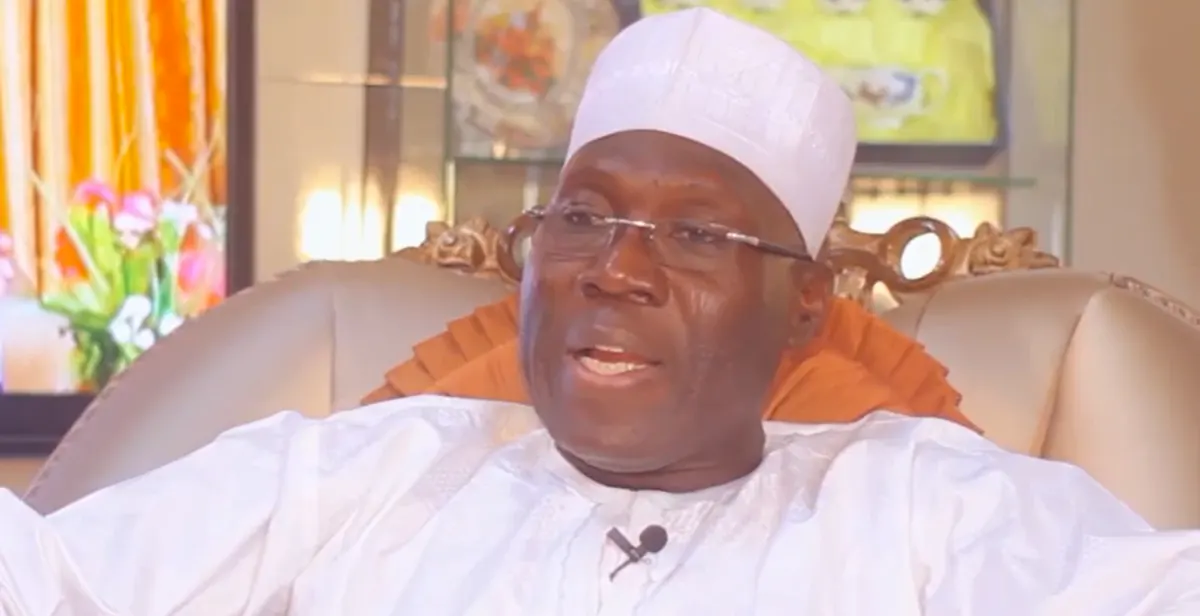
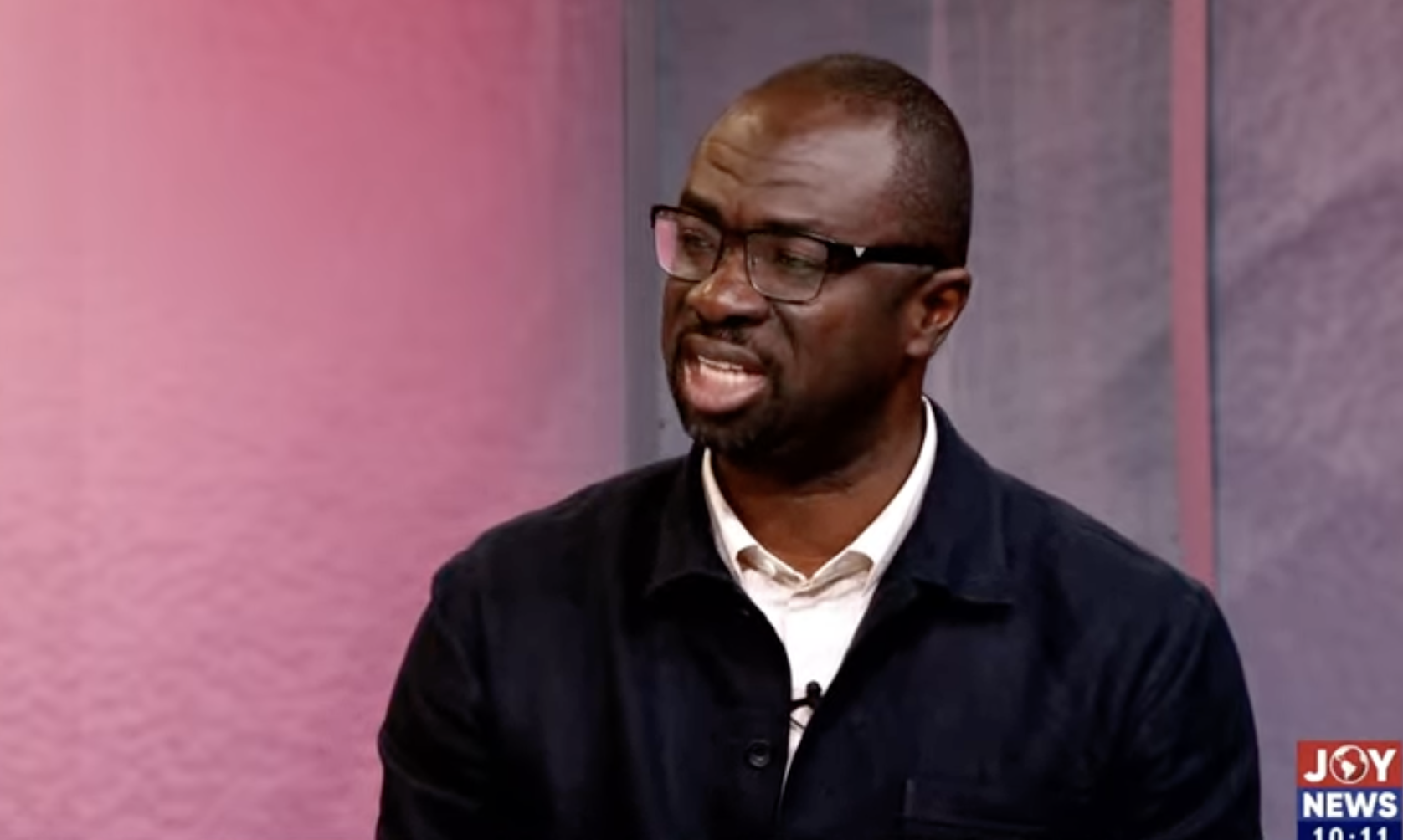
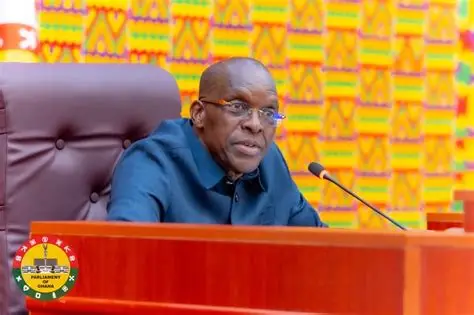
A former Member of Parliament has publicly questioned the conduct of Manhyia South MP Nana Agyei Baffour Awuah, after the legislator initially declined to respond to multiple invitations from Ghana's Economic and Organised Crime Office (EOCO).
Inusah Fuseini, who previously represented Tamale Central, expressed confusion over why Baffour Awuah appeared reluctant to cooperate with the anti-corruption body, raising questions about the circumstances surrounding the case and the reasoning behind the initial resistance.
The EOCO Invitation and Response
The Economic and Organised Crime Office, Ghana's primary anti-corruption and organised crime enforcement agency, had extended invitations to the Manhyia South legislator. However, according to Fuseini's comments, Baffour Awuah did not immediately honour these requests for engagement.
The former Tamale Central MP's public questioning of this refusal suggests tension within political circles regarding cooperation with anti-corruption institutions. Fuseini's intervention underscores broader concerns about the willingness of public officials to engage transparently with investigative bodies.
Why It Matters for Ghana
This incident highlights a critical issue in Ghana's ongoing fight against corruption: the necessity for public officials and parliamentarians to demonstrate accountability and cooperation with anti-corruption agencies. When individuals in positions of influence resist or delay compliance with official investigations, it can undermine public confidence in both the accountability mechanisms and in Parliament itself.
Ghana has worked to strengthen its anti-corruption institutions over the years, with EOCO serving as a key pillar in the government's efforts to combat economic crimes and organised criminal activity. However, the effectiveness of such agencies depends heavily on the cooperation of those under investigation and the broader support from political actors.
For Ghanaians concerned about governance and public accountability, cases involving legislators and their interactions with anti-corruption bodies carry symbolic weight. They signal whether those entrusted with power are willing to submit to the same scrutiny expected of ordinary citizens.
Broader Implications for Parliamentary Accountability
Fuseini's public commentary also reflects broader political dynamics within Ghana's legislative chamber. The willingness of fellow MPs to publicly question a colleague's conduct with EOCO suggests that at least some parliamentarians view cooperation with anti-corruption agencies as a matter of principle, regardless of party affiliation or political considerations.
Questions about why an official might initially refuse invitations from EOCO can point to various factors: the nature of the inquiry, potential legal advice, or broader political tensions. However, Fuseini's intervention indicates that such resistance does not go unnoticed or unchallenged within Parliament.
As Ghana continues to grapple with corruption concerns across various sectors, the conduct of individual legislators during investigations becomes part of the broader national conversation about governance standards and institutional respect. The case involving Baffour Awuah and EOCO serves as a reminder that scrutiny of public officials remains an ongoing responsibility shared by media, civil society, and fellow parliamentarians.
Source: 3News

Comments (0)
Be the first to comment.