
Ghana's Uncomfortable Truth: Why We Cannot Pray for Change While Defending Corruption
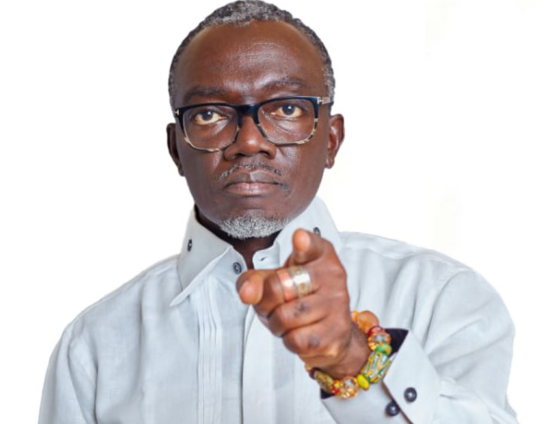

Ghana faces a paradox that cuts deeper than policy or resources: we see our problems clearly, yet we protect them. This uncomfortable truth—explored in a thought-provoking analysis by NyansaKasa—suggests that the nation's greatest obstacle is not ignorance, but willingness. We complain about corruption whilst celebrating unexplained wealth. We condemn poor discipline whilst seeking personal exemptions. We denounce environmental destruction whilst financing those responsible. Then we gather to pray for national transformation, as though prayer can heal soil a farmer deliberately poisons.
When the Abnormal Becomes Normalised
The analysis identifies a dangerous psychological shift: what once shocked a society gradually becomes familiar, then tolerated, then defended, and finally institutionalised. Consider Ghana's procurement landscape. An officer who insists on due process faces accusations of delaying progress. A board director who questions a dubious investment receives sidelong glances reserved for troublemakers. A citizen refusing a dishonest arrangement is advised to "be realistic"—as though morality has a price tag.
This erosion of standards happens slowly, almost invisibly. When wrongdoing becomes ordinary and integrity becomes exceptional, a society has not merely lost its moral compass; it has reversed it entirely. The danger is that institutions lose authority, citizens lose confidence, and accountability becomes selective—applied to opponents but overlooked for allies.
Political Loyalty Over Moral Consistency: A Ghanaian Challenge
Ghana's intense political competition, whilst healthy in principle, frequently becomes unhealthy when party loyalty replaces moral judgment. The same questionable contract is condemned when linked to opposition parties yet explained away when linked to those in power. Evidence remains constant; only the colours—and the moral judgement—change.
This selective accountability has real consequences. When wrongdoing is judged by political affiliation rather than principle, public trust erodes. Citizens see that justice depends on your connections, not your conduct. A nation must always be larger than the parties competing to govern it, yet Ghana's political culture often reverses this equation.
Why It Matters for Ghana: The Environmental Price We Pay
The contradiction becomes starkest in how Ghana treats its land and water. In January 2025, Ghana Water Company was forced to shut its Bonsa headworks—which supplied 75 per cent of drinking water to Tarkwa Nsuaem—because illegal mining had so contaminated the river that it had become "just mud". This is not merely an operational failure; it reflects a chain of complicity: financiers, operators, buyers, weak enforcement, economic desperation, and crucially, social tolerance.
Communities often demand government action on illegal mining whilst simultaneously expecting enforcement officers to exempt their relatives, friends, or politically connected individuals. This is equivalent to a patient demanding treatment whilst threatening the doctor attempting to remove the infection.
Flooding presents an identical pattern. The June 2015 disaster near Kwame Nkrumah Circle in Accra killed over 150 people. A decade later, drains remain clogged and structures still block waterways. Yet whenever rains come, rainfall becomes the principal suspect rather than the indiscipline that created the hazard. Polluted water, after all, does not check party membership before entering homes.
The Road Ahead: Breaking the Cycle
The essay poses a fundamental challenge to every Ghanaian: we cannot simultaneously protect the causes of our suffering and expect time to deliver the cure. Corruption is never a solo performance—it requires financiers, enablers, and communities willing to look away. Environmental destruction requires buyers, weak enforcement, and social acceptance.
Ghana's development depends not on discovering new problems but on having the moral courage to stop defending them. This requires uncomfortable conversations within families, workplaces, and political spaces. It means holding our own allies accountable, resisting pressure to bend rules for the connected, and accepting that integrity sometimes inconveniences progress in the short term.
The unborn child will inherit our choices, not our excuses. That reality should concentrate minds wonderfully.
Source: The Ghana Report


Comments (0)
Be the first to comment.