Ghanaians Silenced by Fear: Why 94% Don't Report Bribery Despite Endemic Corruption

A staggering 94.2 percent of Ghanaians who have encountered bribery do not report it, according to the Ghana Anti-Corruption Coalition's latest State of Corruption Report. The figure exposes a critical weakness in Ghana's anti-corruption infrastructure: not only is bribery widespread, but a culture of silence enables perpetrators to operate with near-total impunity.
The report paints a troubling picture of a nation where corrupt transactions are normalised. While 14.3 percent of respondents admitted to paying bribes—mostly in cash—to public officials to access government services, the real scandal lies in what happens next: nothing. Citizens who witness or experience corruption simply do not come forward, creating a vicious cycle where officials face no consequences and citizens lose faith in the system entirely.
Why Ghanaians Stay Silent
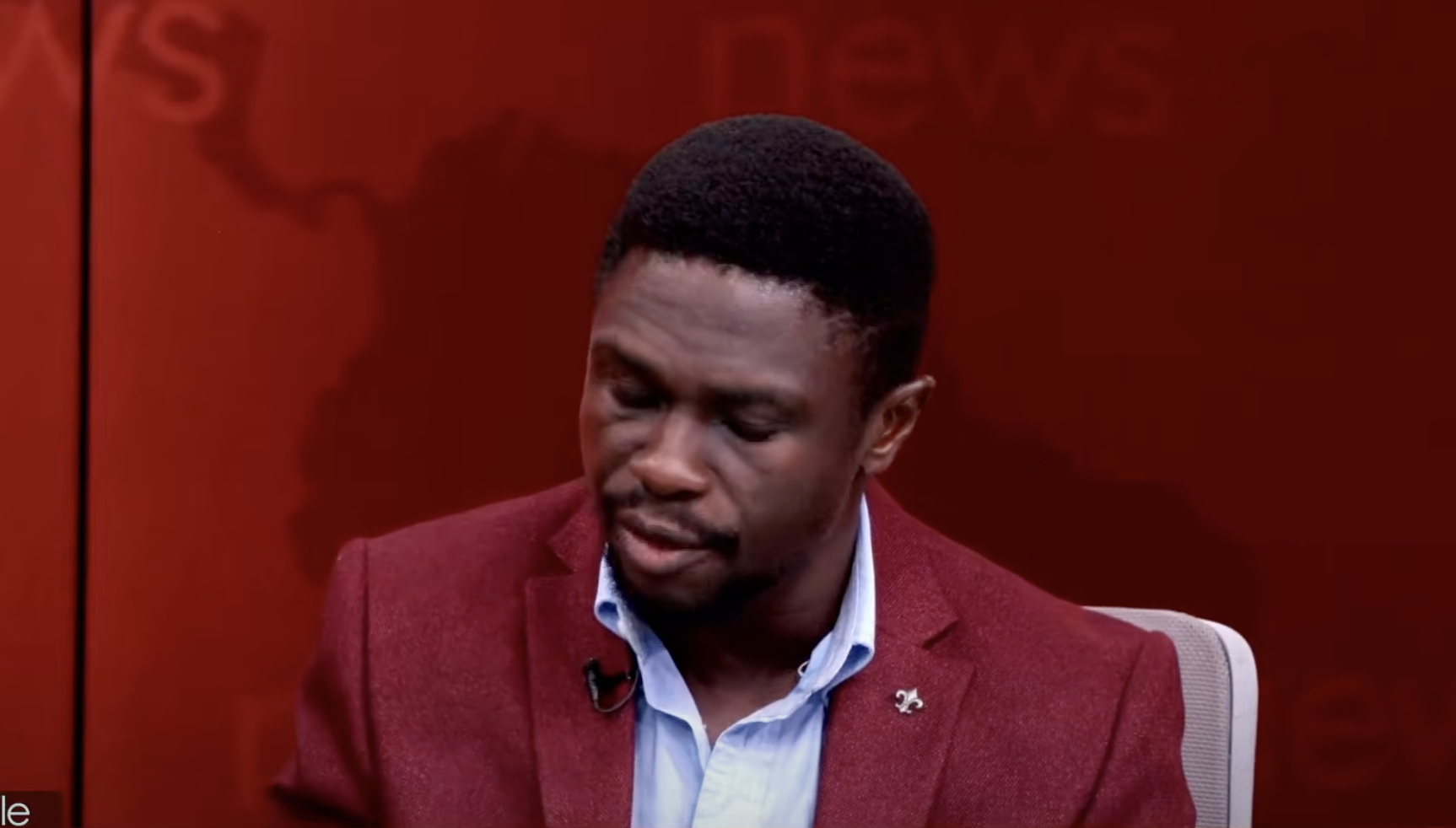
Solomon Nyankah, GACC Monitoring and Evaluation Officer, identified the root causes of this reporting failure. Citizens fear retaliation—losing their jobs, receiving threats, or exposing their families to danger. Others lack confidence that reporting will lead to meaningful action, viewing anti-corruption institutions as ineffective or corrupt themselves. This erosion of trust is perhaps the most damaging outcome of corruption: it doesn't just steal public resources; it breaks the social contract between citizens and their institutions.
The psychological and practical barriers are real. When a parent needs a child's school certificate, a business owner requires a license, or a motorist faces a police roadblock, the rational choice in a corrupt system often appears to be: pay the unofficial fee and move on. Bureaucratic delays make this calculation worse, pushing ordinary Ghanaians into complicity rather than resistance. For vulnerable groups—particularly those with unstable employment or limited education—reporting corruption feels like a luxury they cannot afford.
The Background: A Slight Improvement, But Not Enough
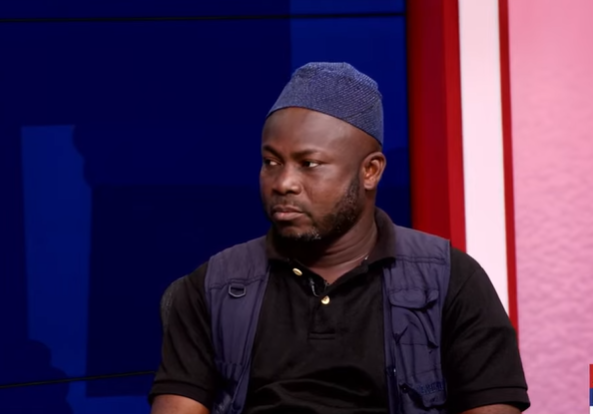
There is one glimmer of hope in the data. The 14.3 percent bribery admission rate represents a decline from 18 percent in previous reporting, suggesting some progress. Samuel Harrison-Cudjoe, GACC Programmes Officer, acknowledged this as encouraging. However, he correctly noted that Ghana should ultimately aim for zero tolerance, not celebrate marginal reductions in a deeply entrenched problem.
This modest improvement likely reflects increased public awareness of anti-corruption campaigns rather than genuine systemic change. Without corresponding improvements in reporting and enforcement, fewer bribes paid could simply mean fewer transactions overall—not fewer corrupt officials seeking payment.
Why This Matters for Ghana
The 94.2 percent non-reporting rate is not merely a statistical concern; it is evidence of institutional failure that hampers Ghana's development. Corruption increases the cost of doing business, deters investment, and diverts public funds from education, healthcare and infrastructure. More subtly, it corrodes civic trust and creates a cynical populace that views government as a necessary evil rather than a legitimate authority.
For Ghana's anti-corruption institutions—including the Office of the Special Prosecutor, the Economic and Organised Crime Office, and others—this report is a wake-up call. Resources alone cannot solve this problem. Whistleblower and witness protection laws must be strengthened and rigorously enforced. Anti-corruption agencies must demonstrate that reporting leads to real investigations and prosecutions, not empty promises.
The GACC's recommendations are sound: intensified public education, stronger enforcement of existing laws, and adequate funding for anti-corruption bodies. Yet implementation requires political will—and in a system where corruption reaches high levels, such will is often in short supply.
Ghana's anti-corruption challenge cannot be solved through statistics and surveys. It requires rebuilding public confidence in institutions, protecting those brave enough to report wrongdoing, and ensuring that corruption carries genuine consequences. Until then, the vast majority of Ghanaians will continue to suffer corruption in silence.
Source: The Ghana Report
.jpg)

Comments (0)
Be the first to comment.