Ex-Goldman Sachs banker Asante Berko convicted of bribing Ghana officials in power plant scandal
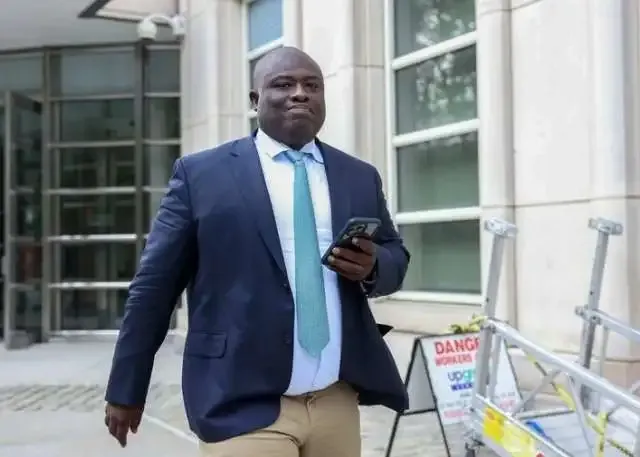
A prominent Ghanaian businessman with deep ties to international finance has been found guilty in the United States of orchestrating a bribery scheme targeting senior Ghanaian government officials. Asante Berko, who previously served as managing director of the Tema Oil Refinery (TOR) and worked as a banker at Goldman Sachs, now faces a potential 30-year prison sentence following his conviction on corruption charges related to a major power generation project.
The case represents one of the most significant corruption convictions involving a Ghanaian executive and underscores the reach of US justice systems in prosecuting international corruption schemes. Berko's fall from prominence—from prestigious roles in both the public and private sectors—highlights how high-level officials can become entangled in criminal activity through commercial dealings.
The case and charges
Berko was convicted of using his position and connections to offer bribes to Ghanaian government officials in exchange for favourable treatment on a power plant deal. The specifics of which officials were targeted and the exact nature of the financial arrangements remain significant elements of the prosecution's case. His conviction comes after investigations by US authorities determined that the scheme involved corruptly influencing Ghana's state apparatus to benefit a commercial energy project.
The severity of the charges—potentially carrying three decades in prison—reflects the seriousness with which US courts treat foreign corruption, particularly under statutes designed to combat international bribery. Berko's background in high finance and his previous management role at one of Ghana's key state-owned enterprises likely made him a significant focus for investigators concerned about systemic corruption in government procurement.
What this means for Ghana's governance and international accountability
This conviction carries important implications for Ghana's efforts to combat corruption and improve governance. It demonstrates that Ghanaian officials who engage in corrupt practices with international partners face consequences not only domestically but also internationally. US authorities, through laws prohibiting foreign corruption, effectively extend anti-corruption enforcement across borders, meaning that corrupt transactions involving American entities or financial systems can trigger prosecution regardless of where officials are located.
For Ghana specifically, the case signals that international scrutiny of major infrastructure and energy deals remains intense. Foreign investors and Ghanaian intermediaries must understand that attempting to circumvent procurement rules or bribe officials—particularly in sectors like energy critical to national development—will likely face investigation. The conviction also underscores why strengthening Ghana's own anti-corruption institutions and enforcement mechanisms is essential; international prosecution cannot substitute for robust domestic accountability.
The case may prompt Ghana's government to review similar historical deals and investigate whether other officials or intermediaries engaged in comparable conduct. It also serves as a cautionary tale for current and future public officials about the long-term consequences of corruption, even years after transactions occur.
Berko's background and the broader context
Asante Berko's trajectory—from Goldman Sachs to leadership at TOR—represented the kind of private-sector expertise sometimes brought into state enterprises. However, his conviction illustrates how commercial pressure and the pursuit of deals can corrupt even those with elite professional credentials. His case is not unique; several high-profile Ghanaian figures have faced international prosecution for corruption-related offences in recent years, reflecting both improved international cooperation and the reality that corruption in major deals often involves transnational dimensions.
Sentencing will determine whether Berko serves a substantial portion of his potential 30-year sentence, though his legal team may pursue appeals. Either way, the conviction stands as a stark reminder of accountability in an increasingly interconnected world where corrupt practices rarely escape scrutiny indefinitely.
Source: 3News


Comments (0)
Be the first to comment.