
Sam Jonah warns galamsey threatens Ghana's future as economic, health and moral crisis
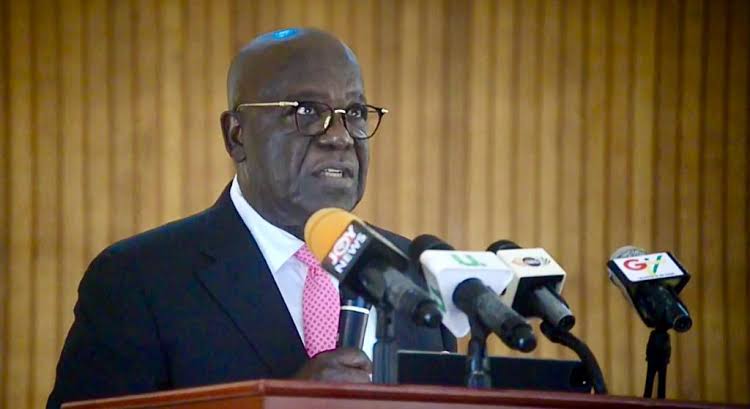
Business mogul Sir Sam Jonah has sounded a stark warning about the devastating impact of galamsey on Ghana, describing illegal mining as far more than an environmental issue—it is an economic, health and moral catastrophe threatening the nation's future.
Speaking at Methodist University Ghana's 25th anniversary international conference in Accra on Thursday, October 15, 2026, Sir Sam drew on decades of experience in Ghana's legitimate mining sector to argue that the country faces a crisis of stewardship and values. "Rivers that fed our grandparents now run the colour of chocolate milk," he said, painting a vivid picture of the environmental degradation caused by uncontrolled illegal mining operations.
The broader stewardship crisis
Sir Sam's critique extended beyond galamsey to challenge how Ghana manages its most precious assets—natural resources, public finances and human capital. He argued that the principle of sustainability must guide all sectors of national life, not just mining. He pointed to abandoned public infrastructure projects as evidence of wasteful governance, criticising successive administrations for launching new initiatives instead of completing existing ones. Such practices, he argued, represent squandered public money and lost development opportunities.
He also highlighted the brain drain problem, expressing concern that skilled young Ghanaians struggle to find meaningful employment at home despite substantial investment in their education. A truly sustainable Africa, he suggested, must create conditions where talent flourishes domestically rather than seeking opportunities abroad.
Why it matters for Ghana
Galamsey remains one of Ghana's most pressing policy challenges, with illegal mining operations destroying water sources, contaminating agricultural land and threatening public health—particularly in mining communities. Sir Sam's intervention as a respected business figure carries weight because it frames galamsey not merely as a regulatory failure or environmental problem, but as a fundamental question about Ghana's values and future prosperity.
His broader message about stewardship also resonates with growing public frustration over abandoned government projects, corruption and inefficient use of borrowed funds. Ghana has accumulated significant external debt, yet many citizens question whether these borrowed resources have translated into sustainable development or lasting public goods.
Technology as an accountability tool
Sir Sam offered practical solutions rooted in transparency and technology. He advocated for satellite data to track and combat illegal mining, digital land registries to resolve longstanding disputes that often drive conflict, and transparent digital procurement systems to enable citizens to monitor how public money is spent.
"The technology exists. What we need is the will to use it, even when transparency is uncomfortable for the powerful," he said—a pointed observation about the political resistance that often accompanies efforts to increase accountability.
His address ultimately framed the galamsey crisis within a larger conversation about ethical leadership and national character. Economic gain pursued without responsibility to communities, the environment or future generations, he argued, represents a moral failure with lasting consequences. For Ghana to build a prosperous and sustainable future, enterprises and innovation must be pursued alongside genuine commitment to environmental protection, transparent governance and social responsibility.
Source: Today GH


Comments (0)
Be the first to comment.