Military Study Urges Coordinated Action Against Illegal Mining Menace in Western Region

Ghana's illegal mining crisis continues to demand urgent systemic action, with a recent military-commissioned study reinforcing calls for coordinated enforcement efforts across the Western Region, one of the country's most resource-rich and environmentally vulnerable areas.
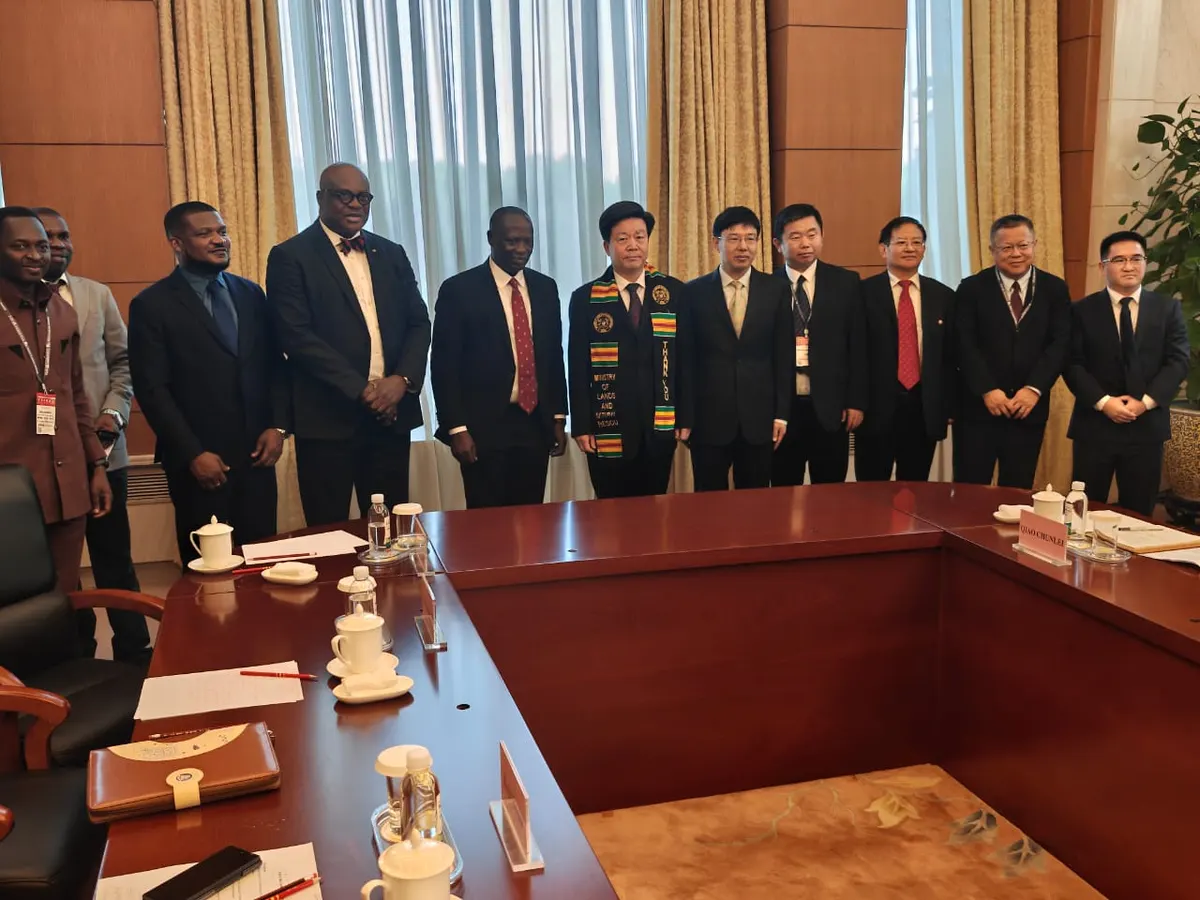
A delegation comprising 61 Ghanaians and nine foreign nationals completed an environmental study tour of the Western Region and subsequently called for strengthened coordination amongst government agencies, security forces, and local authorities to effectively tackle the proliferation of illegal mining operations. The composition of the delegation—drawing expertise from domestic and international sources—underscores the complexity and cross-border dimensions of Ghana's galamsey problem.
The Scale and Impact in Western Region
The Western Region has emerged as a flashpoint for illegal small-scale mining activity, where inadequate monitoring, porous borders, and competing economic interests have enabled unregulated extraction operations to flourish. These activities devastate riverine ecosystems, contaminate water supplies, and degrade agricultural land—consequences that disproportionately affect rural communities dependent on fishing and farming. The region's rich mineral deposits have paradoxically made it a magnet for both licensed and illicit mining ventures.
Environmental degradation from galamsey operations extends beyond immediate mining sites. Mercury contamination, siltation of water bodies, and loss of forest cover create cascading ecological damage that impacts Ghana's broader development trajectory and public health outcomes.
Why Coordination Matters for Ghana
Ghana's anti-illegal mining efforts have historically suffered from fragmented responses: the military conducts enforcement operations, the EPA monitors environmental compliance, local assemblies manage land use, and police handle criminal cases—yet these bodies often lack integrated communication and shared intelligence. This institutional fragmentation has allowed illegal miners to exploit gaps between agencies, relocate operations ahead of raids, and resume activities after enforcement sweeps.
The military study's emphasis on coordination reflects a hard-earned lesson from years of inconsistent results. Successful tackling of galamsey requires simultaneous action across multiple fronts: real-time intelligence sharing between security agencies, community engagement to reduce local support for illegal operations, border patrol coordination to prevent cross-border smuggling of equipment and minerals, and consistent prosecution of offenders to create genuine deterrence.
For Ghana's economy, unchecked illegal mining represents a double loss: the state foregoes legitimate tax revenue from regulated mineral extraction, whilst simultaneously shouldering environmental remediation costs. The Western Region's experience demonstrates that without structural coordination, enforcement alone cannot succeed—illegal operators simply migrate to less-monitored zones or operate at night and during weekends.
Path Forward
The study's recommendations carry weight given the military's direct operational experience in enforcement activities. Implementation will require political commitment to establish formal inter-agency task forces, adequate resourcing for joint operations, and accountability mechanisms to prevent corruption or collusion between officials and miners.
Community buy-in remains equally critical. Local chiefs, opinion leaders, and residents must understand that illegal mining's short-term financial gains come at the cost of long-term environmental and health security. Alternative livelihood programmes for those currently engaged in galamsey could reduce the pool of willing participants.
Ghana's galamsey crisis will not disappear through military operations alone. The Western Region's experience, as documented in this study, offers a roadmap: strengthen the enabling coordination structures, maintain sustained pressure, and address the economic desperation that drives participation in illegal mining.
Source: 3News

.jpg)

Comments (0)
Be the first to comment.