Ghana and China forge new partnership to crush galamsey and boost mining sector
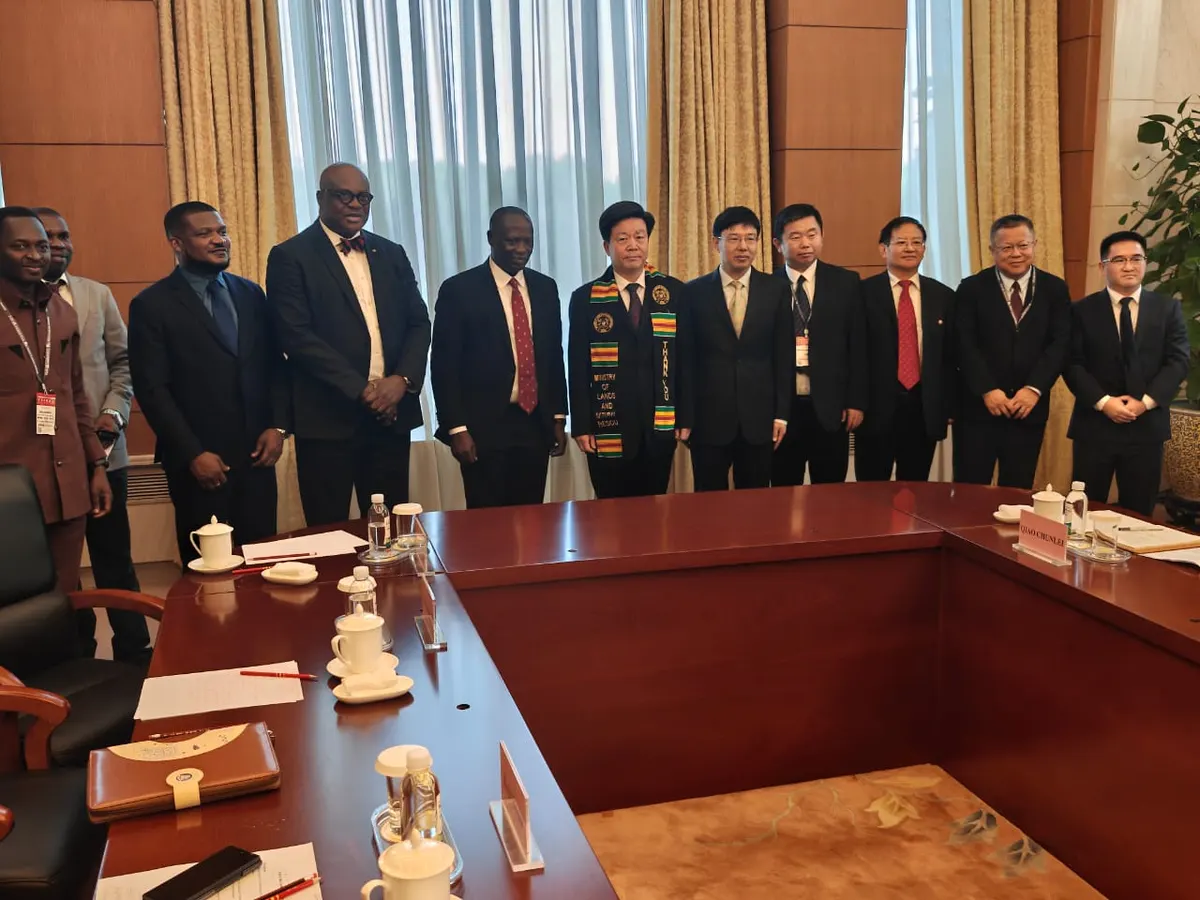
Ghana and China have established a landmark three-point strategy designed to combat the widespread illegal mining crisis plaguing the nation whilst simultaneously advancing legitimate mining practices and geological cooperation between the two countries. The agreement represents a significant diplomatic and technical collaboration aimed at addressing one of Ghana's most persistent economic and environmental challenges.
The partnership focuses on three core pillars: intensified action against illegal mining operations—commonly known as galamsey in Ghana—enhanced geological survey and mapping capabilities, and strategies to attract responsible foreign investment in the formal mining sector. This multi-pronged approach signals recognition that tackling illegal mining requires simultaneous efforts in enforcement, knowledge-building, and economic incentivisation of legal alternatives.
Addressing Ghana's Galamsey Crisis
Illegal mining has devastated Ghana's environment and communities for years, poisoning water bodies, destroying agricultural land, and threatening public health through mercury contamination. The problem has also deprived the state of substantial revenue whilst undermining legitimate mining operators. By formalising cooperation with China—a major player in global mining and mineral processing—Ghana aims to leverage technical expertise, surveillance capabilities, and international pressure to disrupt illegal networks that often operate with impunity across mining regions.
The strategy likely encompasses intelligence-sharing, joint monitoring initiatives, and coordinated enforcement actions targeting both small-scale illegal operators and larger organised networks involved in galamsey. Chinese investment in mining security technology and operational expertise could significantly enhance Ghana's capacity to detect and dismantle illegal sites.
Why This Matters for Ghana
This agreement carries profound implications for Ghana's economic future and environmental recovery. The mining sector remains critical to Ghana's foreign exchange earnings and government revenue, but its reputation has been damaged by the association with galamsey and environmental degradation. By demonstrating commitment to responsible mining practices alongside China, Ghana sends a signal to international investors that the nation is serious about sustainable resource management.
Improved geological survey data will also enable better identification of mineral deposits, more efficient mining planning, and informed decision-making about resource extraction. This foundational knowledge benefits both government planning and private sector operations. Furthermore, attracting responsible investment means creating formal jobs in mining communities, generating sustainable tax revenue, and ensuring environmental safeguards are in place.
The collaboration also reflects broader Ghana-China relations, with mining forming a cornerstone of bilateral trade and investment. Strengthening this partnership may unlock additional support for Ghana's mineral-dependent economy whilst building capacity within Ghanaian institutions.
Implementation Challenges Ahead
Success will depend on coordinated implementation across multiple Ghanaian agencies, consistent enforcement, and genuine political will to prosecute offenders—including politically connected individuals. International cooperation is valuable, but lasting change requires sustained domestic commitment, community engagement in mining regions, and viable economic alternatives for those currently dependent on illegal mining activities.
Source: 3News
.jpg)



Comments (0)
Be the first to comment.