
Forestry Commission escalates battle against illegal mining in Subri Reserve with armed enforcement units


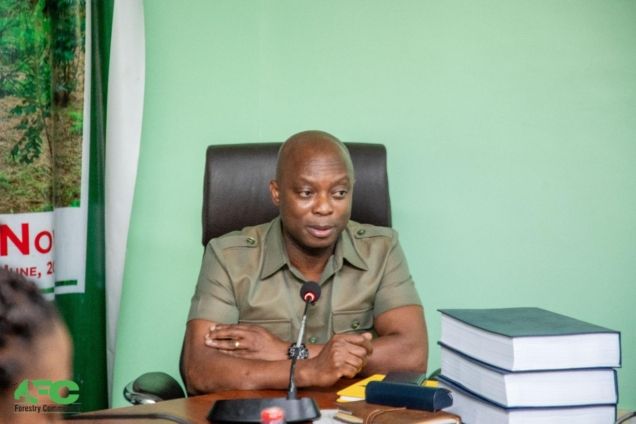
Ghana's Forestry Commission is ramping up its enforcement strategy against galamsey operators by deploying armed teams and advanced surveillance technology across Subri Forest Reserve, signalling a hardened stance on illegal mining that has devastated protected forest areas nationwide.
The initiative represents a significant escalation in the battle against small-scale illegal mining, which has become one of Ghana's most pressing environmental challenges. With an estimated 1,000 armed illegal miners currently operating within the reserve, the Commission's decision to field armed enforcement units marks a departure from previous, largely unsuccessful attempts to curb the practice through conventional means.
The scale of the problem at Subri
Subri Forest Reserve, like many protected forest zones across Ghana, has become a hotbed for galamsey activity. The sheer number of armed miners operating in the area underscores both the profitability of illegal mining and the breakdown in enforcement capacity. Illegal mining operations typically devastate forest ecosystems, destroy water sources, and displace communities—consequences that have prompted increasingly urgent calls for decisive government action.
The deployment of armed teams suggests the Commission recognises that unarmed rangers have proven insufficient to deter or apprehend well-organised, often heavily armed galamsey syndicates. Surveillance technology—likely including drones, cameras, and monitoring equipment—aims to provide real-time intelligence on mining sites and help rangers intercept operations before they can extract resources.
Why it matters for Ghana
Galamsey remains one of Ghana's most stubborn environmental crises, with far-reaching implications for the country's future. Forest degradation reduces carbon storage capacity, threatens biodiversity, and accelerates climate vulnerability. Contaminated water sources from illegal mining affect millions of Ghanaians, particularly in rural communities that depend on rivers and streams for drinking water and livelihood. The problem also fuels regional instability, as foreign nationals and local syndicates clash over mining territories.
Previous efforts to tackle galamsey—including arrests, equipment seizures, and temporary mine closures—have achieved only limited success, partly because enforcement remains sporadic and under-resourced. The Forestry Commission's new deployment strategy, if properly funded and sustained, could signal a turning point. However, success will depend on sustained political will, adequate resources, and coordination with other agencies including the police and military.
For ordinary Ghanaians, the outcome of this enforcement push carries direct implications: cleaner water, healthier forests, and the preservation of natural resources for future generations. The stakes are high; forest reserves across Ghana face similar pressures, and Subri may serve as a test case for whether armed enforcement can succeed where persuasion has failed.
Challenges ahead
Deploying armed teams is not without risk. Confrontations between enforcement personnel and armed miners carry potential for violence. Success will also require that the initiative extends beyond Subri to address galamsey activity in other reserves across the country. Additionally, tackling the demand side—addressing the economic drivers that push individuals toward illegal mining—remains essential to creating lasting change.
Source: 3News




Comments (0)
Be the first to comment.