
Mahama praises armed forces operation to reclaim forest destroyed by illegal mining


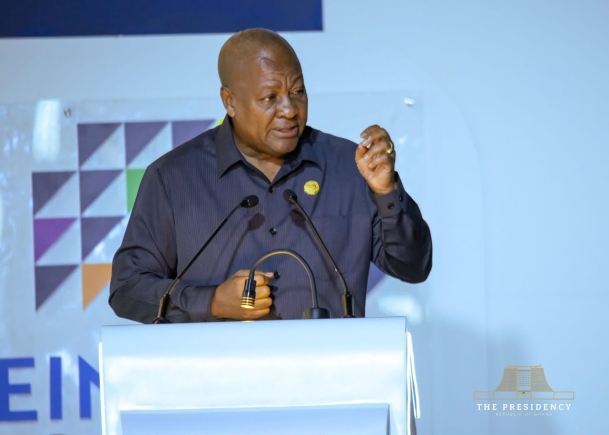
President John Dramani Mahama has publicly commended the Ghana Gold Board for engaging the Ghana Armed Forces to restore over 250 acres of forest land ravaged by illegal mining operations in the Tano-Nimri Forest reserve. The contract award represents a significant shift in how Ghana is tackling environmental degradation linked to unregulated mining activities that have scarred the nation's protected forest zones.
Military's role in environmental restoration
The Ghana Armed Forces have been tasked with reclaiming 253 acres of land within Tano-Nimri Forest that has been destroyed by illegal mining. This move signals an innovative approach to environmental recovery—deploying military resources and discipline to combat the widespread damage caused by galamsey (illegal small-scale mining) operations. The armed forces' involvement brings operational capacity and logistical strength to what has historically been a challenge for civilian environmental agencies managing Ghana's forest reserves.
The broader illegal mining crisis
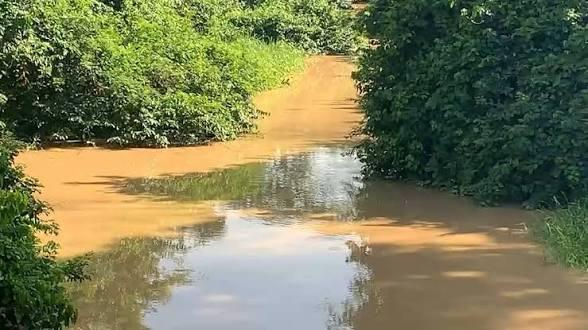
Illegal mining has become one of Ghana's most persistent environmental and social challenges. Beyond Tano-Nimri, galamsey operations have contaminated water bodies, destroyed farmland, and destabilised communities across the country. The Tano-Nimri Forest, a protected area, has been a particular flashpoint. The 253-acre restoration project is therefore symbolic of government determination to reverse visible damage and protect remaining forest cover. Such targeted interventions also demonstrate the urgency with which the current administration views environmental recovery.
Why this matters for Ghana
Forest conservation is critical for Ghana's long-term environmental health and climate resilience. The Tano-Nimri project serves multiple purposes: it showcases commitment to combating illegal mining, restores ecosystem functions that support local communities, and sets a precedent for using state resources to reverse environmental damage. Success here could establish a model for reclaiming other mining-affected forest zones across the country. For residents in mining-affected regions, forest restoration means improved water quality, reduced health risks from contaminated sources, and recovery of livelihoods dependent on healthy ecosystems. Additionally, protecting forest reserves supports Ghana's international climate commitments and biodiversity targets under global environmental agreements.
Challenges ahead
While the initiative is welcome, restoration of mined-out forest land is complex and expensive. It requires sustained funding, expert ecological management, and prevention of re-encroachment by illegal miners. The armed forces' contract is one component; long-term success will depend on coordinated enforcement across multiple agencies, community participation, and addressing the economic drivers that push people toward galamsey operations.
The presidential commendation of the Ghana Gold Board underscores that tackling illegal mining requires institutional coordination and investment. Ghanaians watching this project will gauge whether it translates into visible environmental recovery and whether similar interventions are extended to other degraded forest reserves across the nation.
Source: 3News


Comments (0)
Be the first to comment.