Tano North chiefs demand presidential action as galamsey turns iconic river chocolate-brown
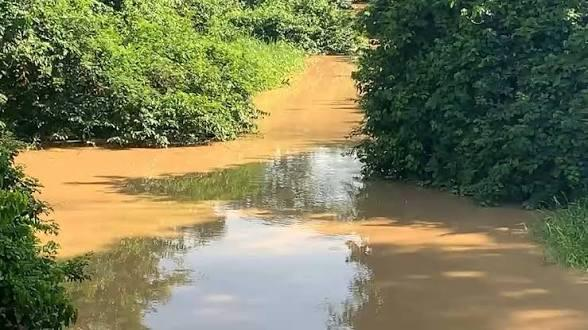
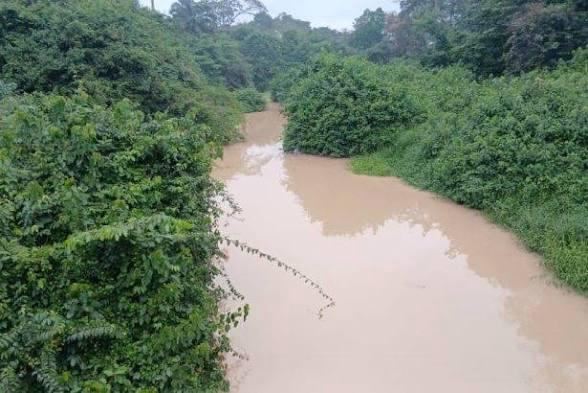
Traditional authorities in Tano North Municipality have escalated their fight against illegal mining by appealing directly to President John Mahama to intervene in what they describe as an environmental catastrophe. The chiefs say galamsey operations have so severely polluted the River Tano that the water has turned brown, whilst forest destruction has accelerated unchecked despite the presence of dedicated state agencies.
The appeal represents a significant moment of frustration with existing anti-galamsey institutions. According to the traditional leaders, both the National Anti-Illegal Mining Operations Secretariat (NAIMOS) and the Blue Water Guards have failed to stem the tide of illegal mining activities ravaging the Tano North Municipality in the Ahafo Region. Nana Kwapem Peni, Adontehene of the Tanoso Traditional Council, painted a stark picture of the deterioration: the beloved Tano River, once a vital resource, now bears no resemblance to its former state.
Local enforcement efforts thwarted
Perhaps most troubling for community members is the apparent breakdown in the criminal justice response to galamsey. The Chief of Afrisipakrom, Nana Oboni Nkrawiri IV, revealed that residents and traditional authorities have personally apprehended illegal miners caught in the act of polluting the river, only to have suspects released by police without prosecution. This disconnect between community vigilance and institutional follow-through has deepened local frustration and raised questions about how seriously law enforcement is treating the cases.
The release of arrested suspects without charges signals either systemic weakness in the enforcement chain or, as some community leaders suggest, possible complicity or corruption. Either scenario undermines confidence in the state's stated commitment to fighting galamsey and suggests that catching the perpetrators is only half the battle—the bigger challenge lies in ensuring they face justice.
Why it matters for Ghana
The Tano River galamsey crisis reflects a broader national struggle with illegal mining. Ghana's water bodies, particularly in forested regions, have become frontline casualties of the galamsey epidemic. The River Tano's pollution is not merely an environmental concern; it poses direct health risks to communities dependent on the water for drinking, fishing, and agriculture. When traditional authorities—custodians of community welfare and land—feel compelled to bypass normal channels and petition the president, it signals that conventional regulatory mechanisms have lost public confidence.
The involvement of Tano North's Member of Parliament, Dr Gideon Boako, who pledged support for the chiefs' efforts, shows that the issue has political urgency. However, his call for residents to direct anger at both the illegal miners and their financiers underscores a critical reality: galamsey operations rarely function without backing from wealthy individuals or syndicates. Until these networks are dismantled, arresting individual miners may provide only temporary relief.
For Ghana more broadly, the deteriorating condition of major rivers like the Tano is unsustainable. These water bodies support multiple constituencies—rural communities, downstream municipalities, and national water security. The fact that state institutions explicitly tasked with combating illegal mining appear overwhelmed or ineffective raises questions about resource allocation, political will, and coordination between agencies.
The path forward
The chiefs' petition represents a turning point. It moves the galamsey conversation from technocratic policy debates to the highest executive level, where presidential directives can mobilise resources and ensure inter-agency coordination. The coming weeks will test whether Mahama's administration views this appeal with the urgency the traditional leaders believe it deserves and whether concrete action follows.
Source: MyJoyOnline


Comments (0)
Be the first to comment.