Tano North chiefs demand presidential action as police release arrested galamsey operators
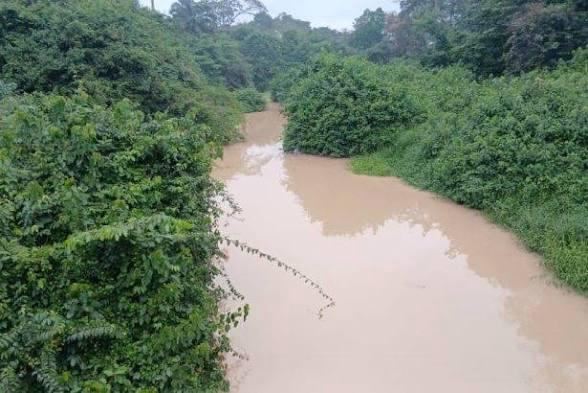
Chiefs in the Tano North Municipality of the Ahafo Region are escalating their frustration with law enforcement, accusing police of systematically releasing arrested illegal miners and undermining community efforts to protect the environment and vital water sources.
During a recent meeting with the area's Member of Parliament, Dr. Gideon Boako, traditional authorities revealed a troubling pattern: residents and chiefs risk personal safety to apprehend galamsey operators actively polluting local water bodies, only to see the suspects released by police without prosecution. The chiefs have now appealed directly to President John Mahama for intervention.
Environmental crisis deepens despite local action
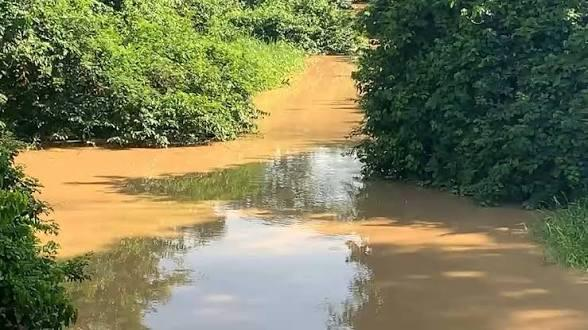
The situation in Tano North reflects the broader challenge facing Ghana's fight against illegal small-scale mining. The Tano River, a critical water source for communities across the municipality, has suffered severe contamination, with the Chief of Afrisipakrom, Nana Oboni Nkrawiri IV, describing it as "ruined beyond recognition."
What makes the crisis particularly frustrating for local leaders is the apparent contradiction in law enforcement response. While national institutions like the National Anti-Illegal Mining Operations Secretariat (NAIMOS) and the Blue Water Guards are tasked with combating galamsey, local police appear unwilling or unable to follow through with prosecutions when communities make arrests themselves.
Nana Oboni Nkrawiri IV directly questioned the commitment of municipal officials, including the Municipal Chief Executive, Pius Opoku, and members of the Municipal Security Council (MUSEC). If these leaders genuinely oppose illegal mining, he argued, why are they not making arrests independently, and why are suspects freed when handed over by residents?
Why it matters for Ghana
The breakdown in law enforcement at the local level undermines Ghana's national strategy against galamsey, which has caused extensive damage to water bodies, agricultural land, and public health across the country. The Tano North situation highlights a critical accountability gap: traditional authorities and community members are doing environmental protection work that should fall to state institutions, yet the criminal justice system fails to support their efforts.
This pattern—where arrests made by communities are nullified by police releases—suggests either systemic corruption, inadequate investigation procedures, or coordination failures within security agencies. For Ghanaians relying on the Tano River and other local water sources, the health implications are immediate: polluted water increases risks of waterborne diseases and long-term health complications.
The appeal to the presidency signals that local governance structures have lost the trust of traditional authorities. Resolving this requires not just presidential attention but also accountability mechanisms within the police service and MUSEC to ensure that galamsey suspects prosecuted by communities actually face justice.
Call for broader community mobilisation
Beyond asking for state intervention, the Tano North chiefs have urged residents—both in Ghana and Ghanaians abroad—to mobilise publicly against illegal miners and their financial backers. This reflects recognition that galamsey networks often have powerful external support, and community pressure may be necessary to complement law enforcement.
The crisis in Tano North serves as a case study in the limits of community-led environmental protection when state institutions fail to follow through, and the urgent need for systemic reforms in how illegal mining cases are investigated and prosecuted across Ghana.
Source: MyJoyOnline

.jpg)
Comments (0)
Be the first to comment.