Forestry Commission partners with NAIMOS to tackle illegal mining crisis in Ghana's forest reserves

The Forestry Commission has announced a strategic partnership with the National Aquatic Resources, Fisheries and Aquaculture Commission (NAIMOS) to intensify efforts against illegal mining operations devastating Ghana's protected forest reserves. The collaboration, confirmed during a management meeting, represents a significant step in addressing what has become one of the nation's most persistent environmental challenges.
A multi-agency approach to forest protection
Forestry Commission Chief Executive Dr. Hugh Brown confirmed that NAIMOS has accepted the invitation to coordinate with the FC's management team on the illegal mining problem. While details of the specific operational framework remain limited, the partnership signals recognition that combating galamsey activity requires coordination beyond traditional forest management agencies. The involvement of NAIMOS—typically focused on aquatic and fisheries matters—suggests the collaboration may address both terrestrial mining impacts and downstream water pollution caused by illegal operations in forested catchment areas.
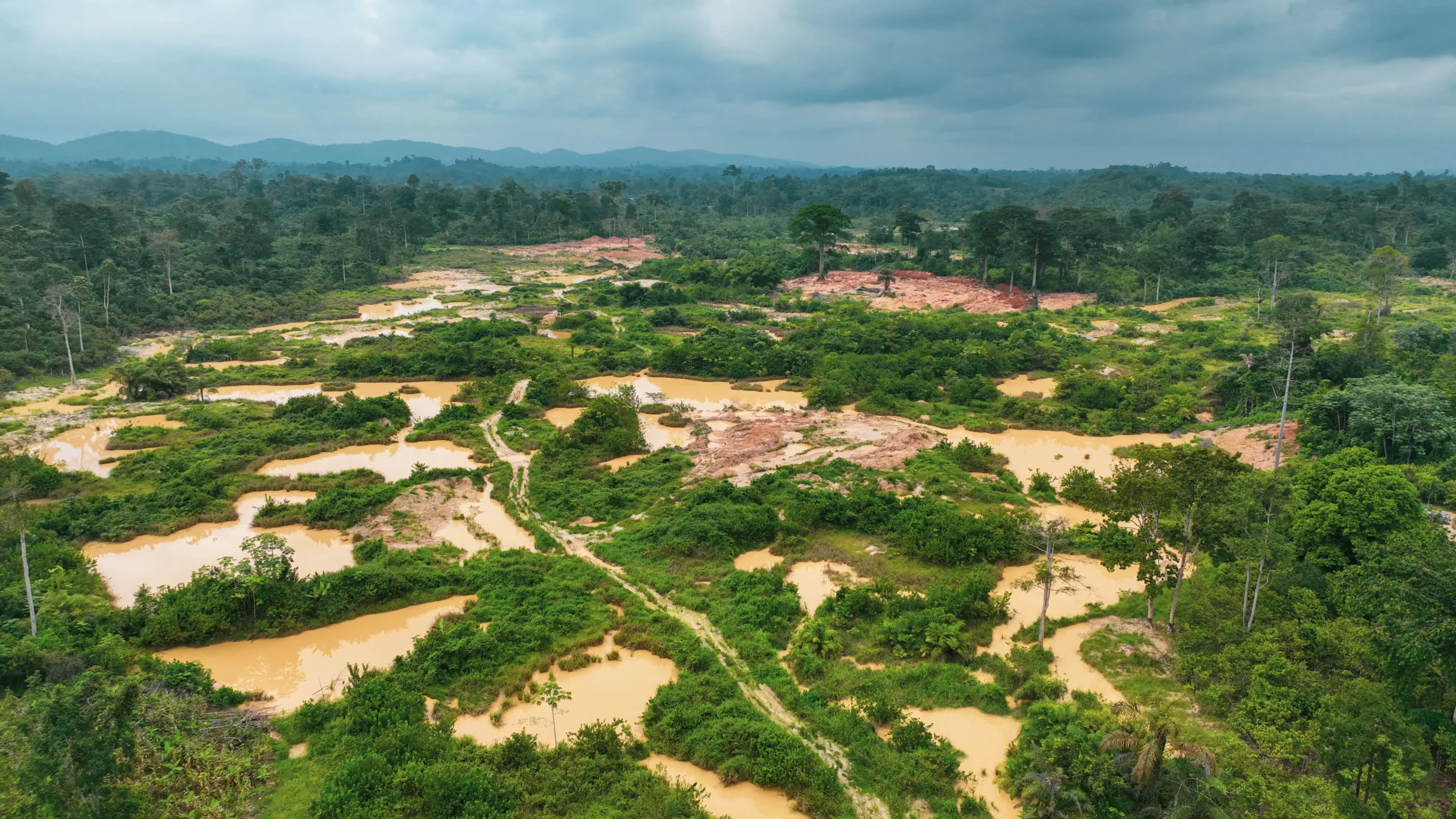
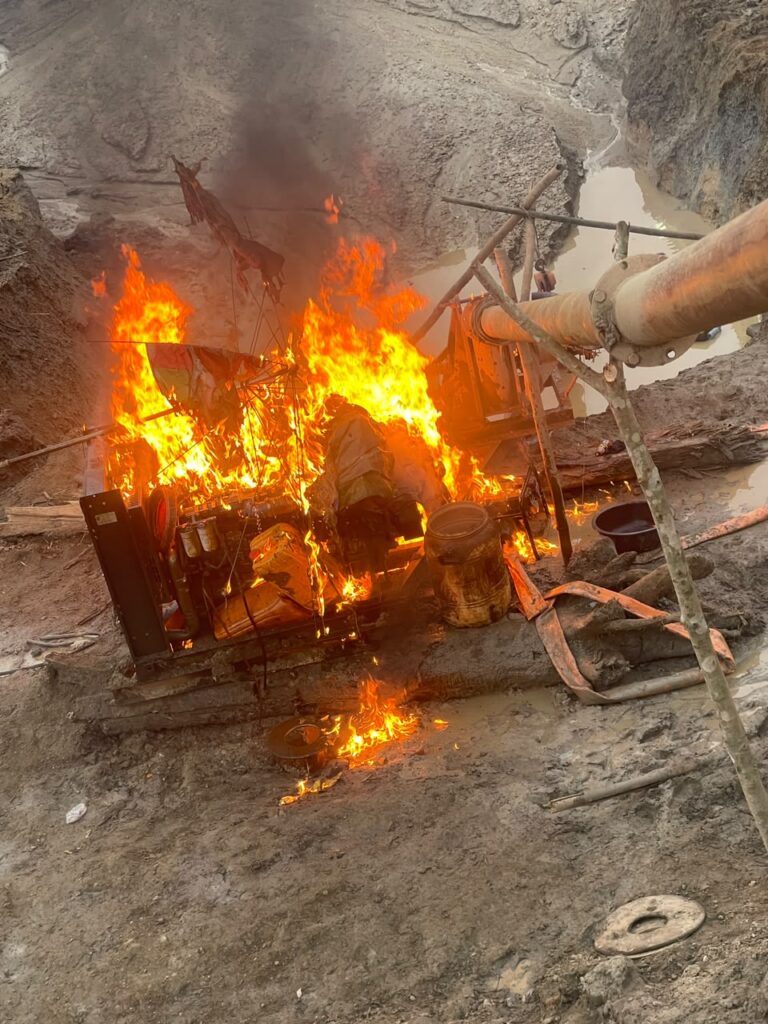
Illegal mining has inflicted severe damage on Ghana's forest ecosystems, destroying vegetation, contaminating water bodies, and facilitating associated criminal activity within reserves. Previous enforcement attempts by the Forestry Commission alone have struggled to match the scale and sophistication of organised galamsey networks operating across multiple regions.
Why it matters for Ghana
Ghana's forest reserves serve critical functions beyond timber production. They regulate water supply to downstream communities, support biodiversity, and help mitigate climate impacts. Illegal mining directly threatens these services. For instance, contamination from mining operations has affected water quality in communities that depend on forest-fed rivers and streams.
The partnership also reflects government frustration with the effectiveness of sector-specific approaches. Galamsey operators often exploit jurisdictional gaps—operating across forest, water and land boundaries where responsibility between agencies becomes unclear. A coordinated NAIMOS-Forestry Commission strategy potentially closes these enforcement loopholes.
Additionally, the collaboration could strengthen Ghana's position internationally. The nation faces mounting pressure from environmental bodies and trading partners regarding deforestation rates, partly driven by unregulated mining. A visible multi-agency crackdown may help demonstrate commitment to forest conservation.
Next steps and expectations
The Forestry Commission has not yet disclosed detailed plans emerging from the NAIMOS engagement. Key questions remain about:
- Whether new enforcement operations or patrols will be launched jointly across forest reserves
- How intelligence-sharing between agencies will be formalised
- What resources NAIMOS will commit to the partnership
- Timeline for visible results in reducing illegal mining activity
For the partnership to succeed where previous efforts have faltered, it will require sustained political backing, adequate funding, and coordination with other relevant bodies including the Minerals Commission and law enforcement agencies. Ghanaians should expect updates on implementation progress in the coming weeks and months as this partnership takes concrete form.
Source: 3News

.jpg)
Comments (0)
Be the first to comment.