Galamsey surge threatens to undo Ghana's hard-won forest victories, warns investigative journalist
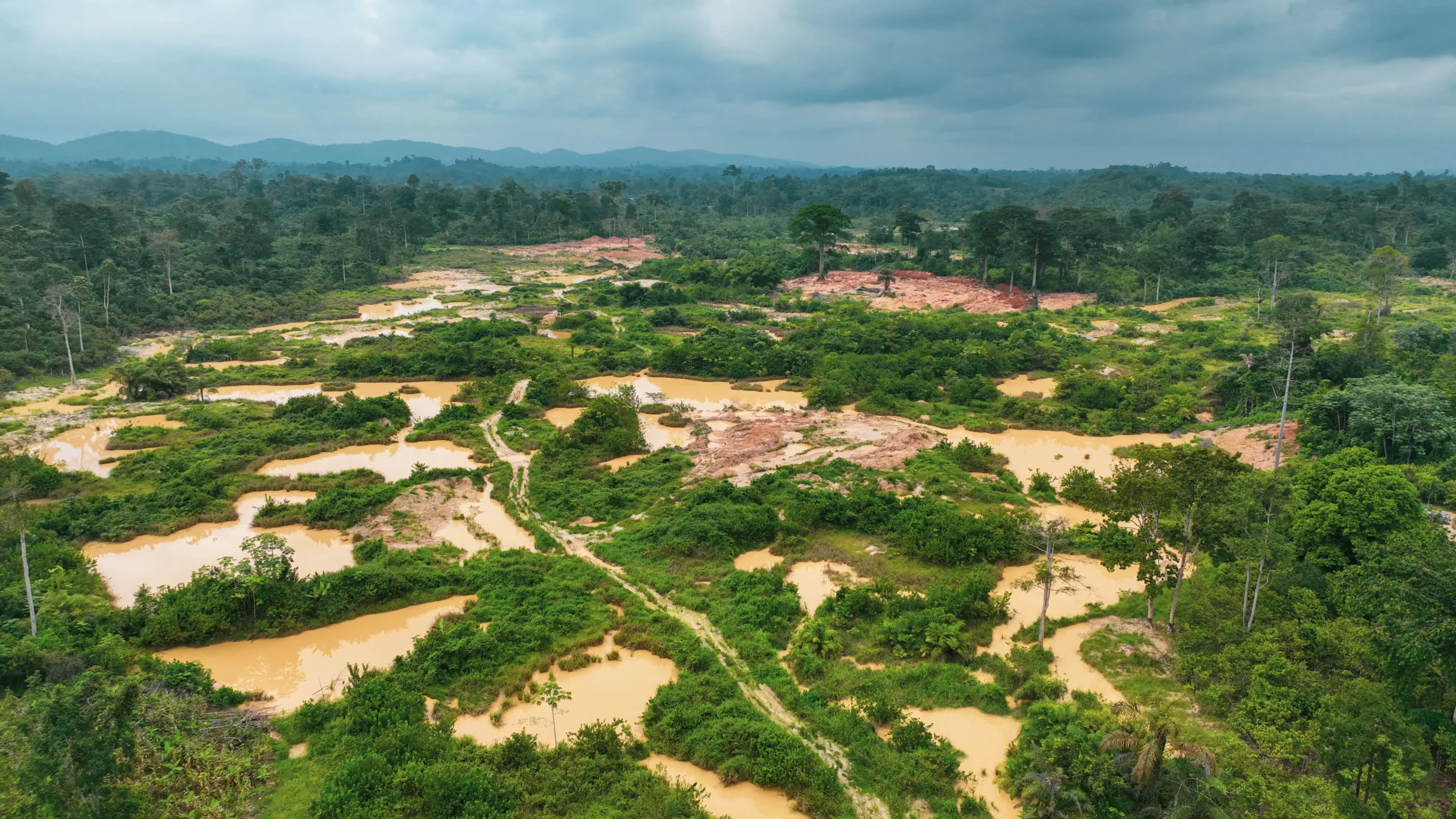
Ghana risks squandering crucial progress in its battle against illegal mining after security forces had successfully cleared armed galamsey operators from protected forest reserves, according to investigative journalist Erastus Asare Donkor. Speaking on Joy News' PM Express on Wednesday, Donkor warned that the resurgence of illegal mining activity threatens to erase months of hard-won gains and leaves Ghana's forests increasingly vulnerable to destruction.
From red zones to recovery—then reversal
At the start of 2025, the Forestry Commission had designated several forest reserves as "red zones" after armed illegal miners established control, making them inaccessible even to forest guards and rapid response teams. Reserves including Tano Amiya, Yoyo, and Offin Shelter Belt became no-go areas where security personnel faced deadly confrontation. Some forest guards were killed and others maimed during operations in these zones.
However, by the beginning of 2026, Donkor noted a remarkable turnaround. The Forestry Commission had eliminated all red zones—a transformation he attributed primarily to focused security interventions, particularly the IGP's dedicated task force and operations led by NAIMOS under Colonel Boah. For the first time in years, forest guards could move freely through previously lost territory.
Yet this progress is now rapidly unraveling. Recent reports from Bekwai and other reserves show illegal miners pitching camps inside protected forest areas once again. More concerning, miners are employing new tactics, using metal detectors to enter sensitive sections of Tano Awia and Tano Nimri forest reserves without detection.
Why it matters for Ghana
Ghana's forest reserves are critical national assets. Beyond their ecological importance for carbon sequestration and biodiversity, these forests protect water sources and regulate rainfall patterns essential for agriculture and hydroelectric power generation. Illegal mining operations devastate this landscape through mercury contamination, water pollution, soil degradation, and deforestation.
The cyclical nature of this problem—gains made, then lost—reflects deeper systemic challenges. Donkor highlighted a troubling fact: some of the excavators seized during anti-galamsey operations have been released back to illegal miners, effectively reversing enforcement actions. Without sustained political will and continued security deployment, any territorial gains remain temporary.
For ordinary Ghanaians, the stakes are high. Contaminated water supplies, reduced agricultural productivity, and environmental degradation directly impact livelihoods. Communities living near forest reserves face health risks from mining chemicals while losing traditional forest resources. The cycle of enforcement and reversal also signals to criminals that penalties are inconsistent, weakening deterrence.
What happens next?
Donkor's warning carries weight: without decisive action, "all the gains will be lost." The challenge extends beyond security operations. Ghana needs sustained funding for forest protection, consistent enforcement that prevents seized equipment from being returned, and community engagement in monitoring and reporting illegal activity.
The journalist's focus on Bekwai and the Tano reserves suggests hotspots requiring immediate attention, but the problem is nationwide. Previous successes show that coordinated, intensive security intervention works—but only when maintained long-term. As galamsey operators adapt tactics, using metal detectors and smaller operations to evade detection, Ghana's response must evolve equally.
The coming weeks will reveal whether Ghana treats this reversal as a temporary setback requiring renewed commitment or accepts the gradual loss of environmental and security gains. History suggests that without sustained intervention and political will, illegal mining will continue to advance into Ghana's protected forests.
Source: MyJoyOnline


Comments (0)
Be the first to comment.