
Military and Forestry Commission raid Krokosua Hills Reserve, destroy illegal mining operations

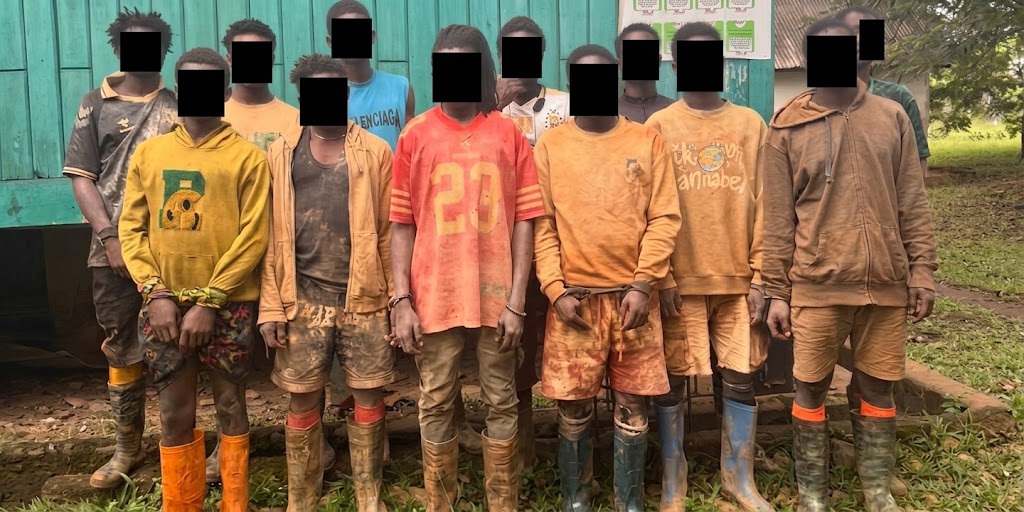
A coordinated operation between Ghana's Military and Forestry Commission has resulted in the destruction of illegal mining equipment and 18 structures at Krokosua Hills Forest Reserve, marking another enforcement push against galamsey operations in the country's protected forest zones. The raid, which targeted unauthorised mining activities within the reserve, saw security personnel systematically dismantle operational infrastructure used by unlicensed miners.
The action at Krokosua Hills reflects ongoing tension between resource extraction interests and environmental protection efforts in Ghana's forest reserves. Though no arrests were reported during the operation, the destruction of mining equipment and temporary structures signals a hardening stance by authorities against illegal small-scale mining that has plagued Ghana's forest ecosystems for years.
Environmental impact on protected reserves
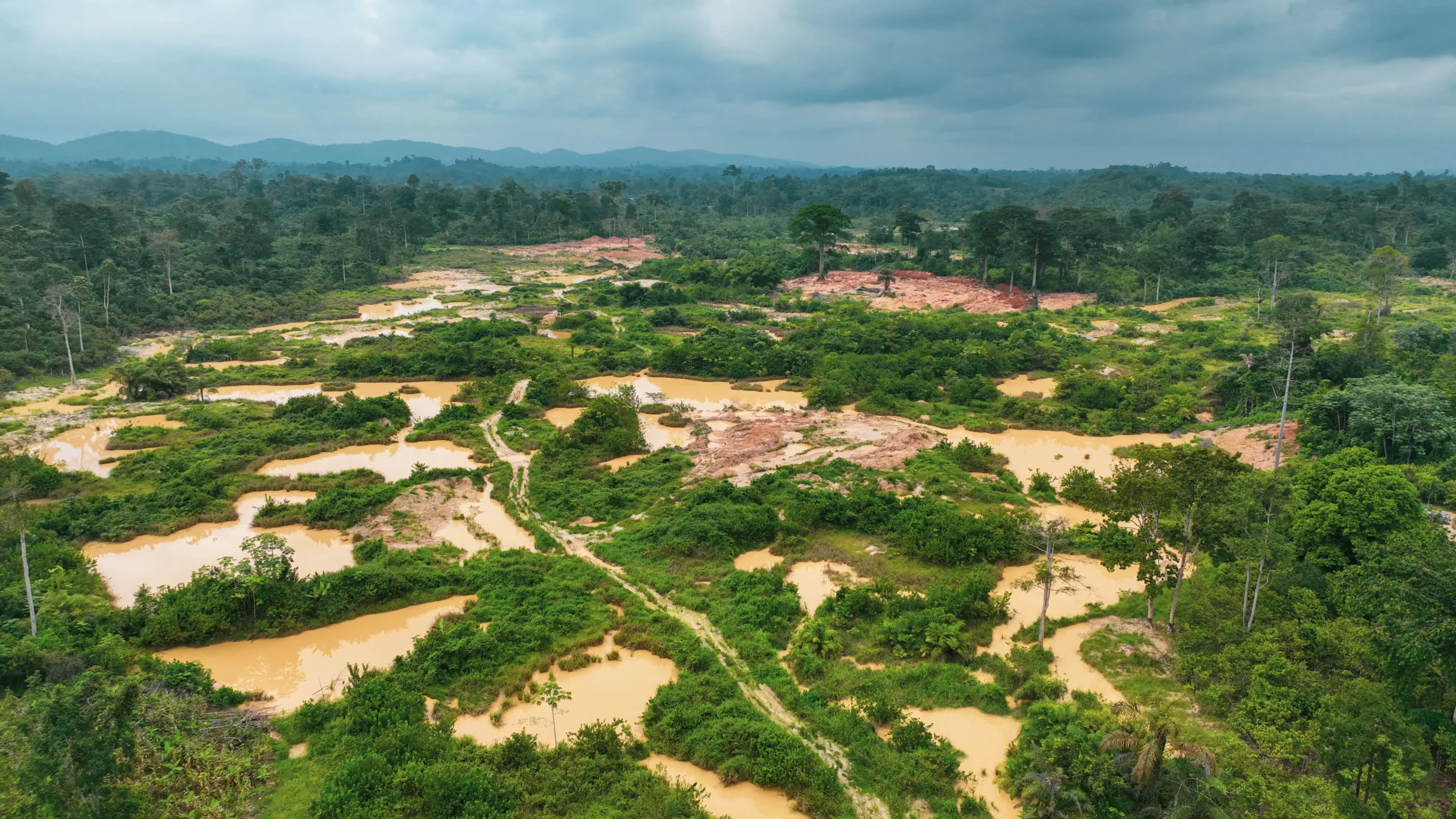
Krokosua Hills Forest Reserve, like other protected forest areas across Ghana, faces constant pressure from illegal mining activities. Galamsey operations in forest reserves cause significant environmental damage, including soil degradation, water pollution, and loss of biodiversity. The removal of 18 mining structures and equipment from the reserve represents an attempt to restore the ecological integrity of this protected landscape.
Illegal mining in forest reserves has become a critical environmental challenge, with operations often using mercury and cyanide in processing minerals, contaminating water sources and rendering large tracts of forest unsuitable for regeneration. The joint Military-Forestry Commission operation underscores the need for coordinated enforcement to protect these reserves from further degradation.
Why it matters for Ghana
Ghana's forest reserves are vital carbon sinks and water catchment areas essential for national climate resilience and water security. Illegal mining undermines the country's environmental commitments and economic stability, as contaminated waterways affect downstream communities and agricultural productivity. The Krokosua Hills operation demonstrates government efforts to balance resource management with environmental protection.
However, enforcement actions must be sustained and supported by stronger preventive measures to be effective. Without addressing underlying factors driving illegal mining—such as limited livelihood alternatives in mining communities and weak border security at reserves—such operations risk becoming cyclical without lasting impact.
The raid also highlights the resource demands of environmental enforcement in Ghana. Coordinating Military and Forestry Commission personnel for joint operations requires planning and funding that reflects the government's commitment to tackling illegal mining at scale.
Path forward
While equipment destruction disrupts illegal operations temporarily, experts argue that sustainable solutions require complementary strategies: strengthening community engagement around protected areas, providing economic alternatives for would-be miners, improving surveillance capacity, and ensuring swift prosecution when arrests are made. The absence of arrests in this operation raises questions about enforcement sustainability and whether destroyed equipment will simply be replaced.
Going forward, authorities may need to combine enforcement with community-based monitoring and stronger penalties for repeat offences to deter illegal mining in Ghana's critical forest reserves.
Source: 3News

Comments (0)
Be the first to comment.