
Christmas poultry prices set to jump 15% as feed costs squeeze Ghana's farmers
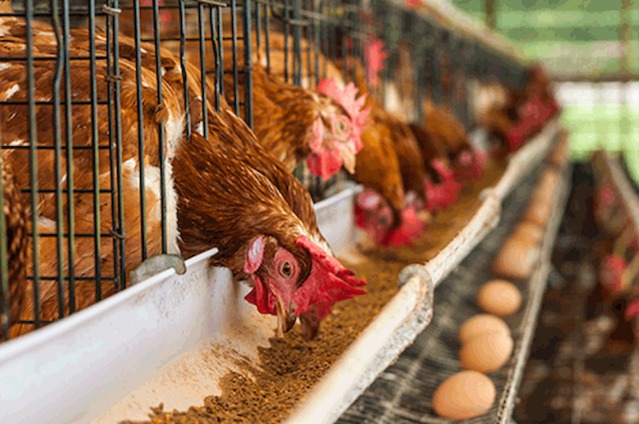

Ghanaian poultry farmers are bracing consumers for a substantial price hike this Christmas, with the Greater Accra Poultry Farmers Association warning of increases of at least 15 per cent in the coming weeks. The surge reflects a perfect storm of rising production costs that has left local farmers with little choice but to pass expenses down the supply chain.
According to Mohammed Ali, Chief Executive of the Association, the culprit is clear: the astronomical cost of maize, soya and other imported feed ingredients, combined with escalating freight charges, has made poultry production significantly more expensive. "Maybe not less than 15 per cent; we must see some price change," Mr Ali said during an outreach marking World Egg Day in Dansoman.
The root of the problem: import dependency
Ghana's poultry farmers face a structural vulnerability that makes them particularly exposed to global market shocks. Most feed ingredients are imported, meaning local producers have no insulation against fluctuations in international commodity prices or shipping costs. This dependency creates a cascade effect—when global maize or soya prices rise, Ghanaian farmers feel the impact immediately and cannot absorb the costs themselves.
Mr Ali has called on government to prioritise domestic production of maize and soya as a long-term solution. "When we are able to have an abundance locally, the feed price will surely come down. But without them, we can't do anything about poultry feed," he stressed. Such investment in local agriculture could fundamentally change the economics of poultry production and insulate the sector from external shocks.
Why it matters for Ghana: affordability and nutrition at risk
The price increase threatens to make an affordable protein source less accessible to ordinary Ghanaians, particularly low-income households and children. Eggs remain one of the cheapest ways to obtain high-quality protein, and a 15 per cent jump could price many families out of the market during a season when consumption typically rises.
There is also concern about retail pricing practices. Farmers currently receive between GH¢40 and GH¢45 per crate at farm-gate, yet retailers are reportedly adding as much as GH¢20 per crate—pushing retail prices well above GH¢60. Mr Ali argued retail prices should not exceed GH¢50, suggesting a significant portion of the consumer price reflects middleman margins rather than legitimate production costs.
The Association has called on the Ministry of Trade and Agribusiness to regulate the market and address the wide gap between what farmers earn and what consumers pay. Stronger oversight could protect both producers from being squeezed and consumers from excessive markups.
Supporting farmers and building healthy habits
Beyond price concerns, the Association is working to boost egg consumption through education. As part of World Egg Day activities, it distributed over 100,000 eggs to schools across Dansoman, aiming to encourage children to develop healthy eating habits early. Eggs, rich in protein essential for childhood development, represent a nutritionally dense food that fits Ghana's public health priorities.
Mr Ali also called for expansion of the Nkokor Nkitinkiti initiative, arguing that directing more support to larger-scale farmers could amplify production volumes and help stabilise market supply and prices over time.
This Christmas season, Ghanaian shoppers should prepare for higher poultry costs. But the broader issue—how to build a more resilient, locally sourced poultry feed sector—requires sustained government investment and policy attention beyond the festive season.
Source: The Ghana Report





Comments (0)
Be the first to comment.