
Ghana's Mining Chief Draws Line: Forest Reserves and Water Bodies Off-Limits, But Unlicensed Miners Can Be Formalised


Ghana's gold mining industry leader has drawn a clear distinction between unacceptable mining practices and those that can be brought into the formal economy, signalling a shift in how the sector might approach the ongoing battle against illegal and destructive extraction.
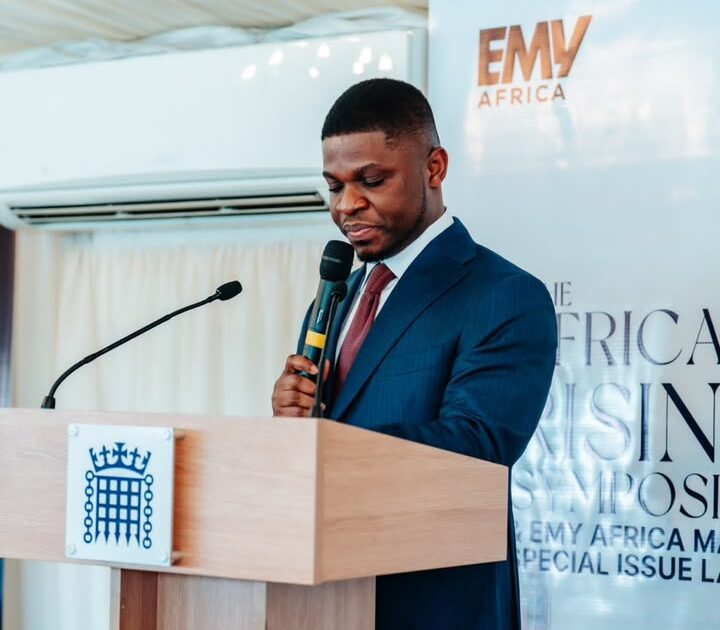
Sammy Gyamfi, Chief Executive Officer of GoldBod, the chambers of the gold and precious metals mining sector, made a stark declaration that mining operations in forest reserves and water bodies represent an intolerable threat to Ghana's environmental integrity and must face zero tolerance enforcement. However, he argued that artisanal and small-scale miners currently operating outside these sensitive areas should not face blanket criminalization, but rather be given opportunities to obtain licences and join the regulated sector.
This position reflects growing industry recognition that Ghana's illegal mining crisis requires nuanced solutions rather than blanket approaches. While large-scale industrial mining has faced increasing scrutiny over environmental damage, the distinction Gyamfi makes points to a potential middle ground: protecting the nation's most vulnerable ecosystems while creating pathways for marginalised miners to operate legitimately.
The Environmental Stakes
Ghana's forest reserves and water bodies face existential pressure from unregulated mining. Forest degradation linked to illegal mining operations has accelerated desertification in parts of the country, whilst contamination of water sources with mercury and cyanide has poisoned drinking supplies and agricultural irrigation systems in mining regions. These impacts extend beyond immediate environmental damage—they threaten food security, public health, and the long-term sustainability of communities that depend on clean water and arable land.
Gyamfi's insistence on zero tolerance for mining in these zones aligns with Ghana's constitutional obligations and international environmental commitments. The nation's forest reserves, already depleted by years of illegal activity alongside legitimate timber operations, cannot absorb further extraction pressure. Similarly, water bodies serve dual purposes as essential resources and habitats for aquatic ecosystems that support livelihoods across multiple sectors.
Why This Matters for Ghana
The mining sector remains one of Ghana's largest revenue generators and foreign exchange earners, yet its reputation has been severely damaged by widespread reports of illegal operations destroying landscapes and poisoning communities. Government crackdowns have been inconsistent, ranging from high-profile arrests of foreign nationals to minimal enforcement against domestic illegal miners. Gyamfi's proposal suggests the industry itself recognises that sustainable, long-term profitability depends on environmental credibility and regulatory legitimacy.
The formalisation pathway he advocates could address a critical governance challenge: thousands of Ghanaians engaged in small-scale mining lack access to capital, equipment, and knowledge to operate legally. Pushing them further underground through enforcement-only strategies has proven counterproductive. Conversely, offering structured opportunities to obtain mining permits in designated areas—accompanied by training in safe, sustainable practices—could incrementally bring informal operators into the tax and regulatory system.
This approach also acknowledges that artisanal mining represents survival employment for communities with limited economic alternatives, particularly in regions affected by youth unemployment. Wholesale criminalisation risks radicalising an already vulnerable population and perpetuating the cycle that drives illegal activity.
The Road Ahead
For Gyamfi's vision to work, Ghana's government must strengthen enforcement capacity specifically targeting forest and water-body mining whilst simultaneously streamlining licencing processes for small-scale operators in permitted zones. This requires investment in monitoring technology, personnel training, and community engagement to ensure buy-in from mining communities.
The statement also places pressure on government to clarify and enforce its own mining policies consistently. Without credible enforcement against illegal forest mining and demonstrated commitment to formalisation support, industry rhetoric risks appearing hollow to communities sceptical of regulatory fairness.
Source: 3News



Comments (0)
Be the first to comment.