Talensi Traditional Council Cracks Down on Illegal Mining with Tough New Enforcement

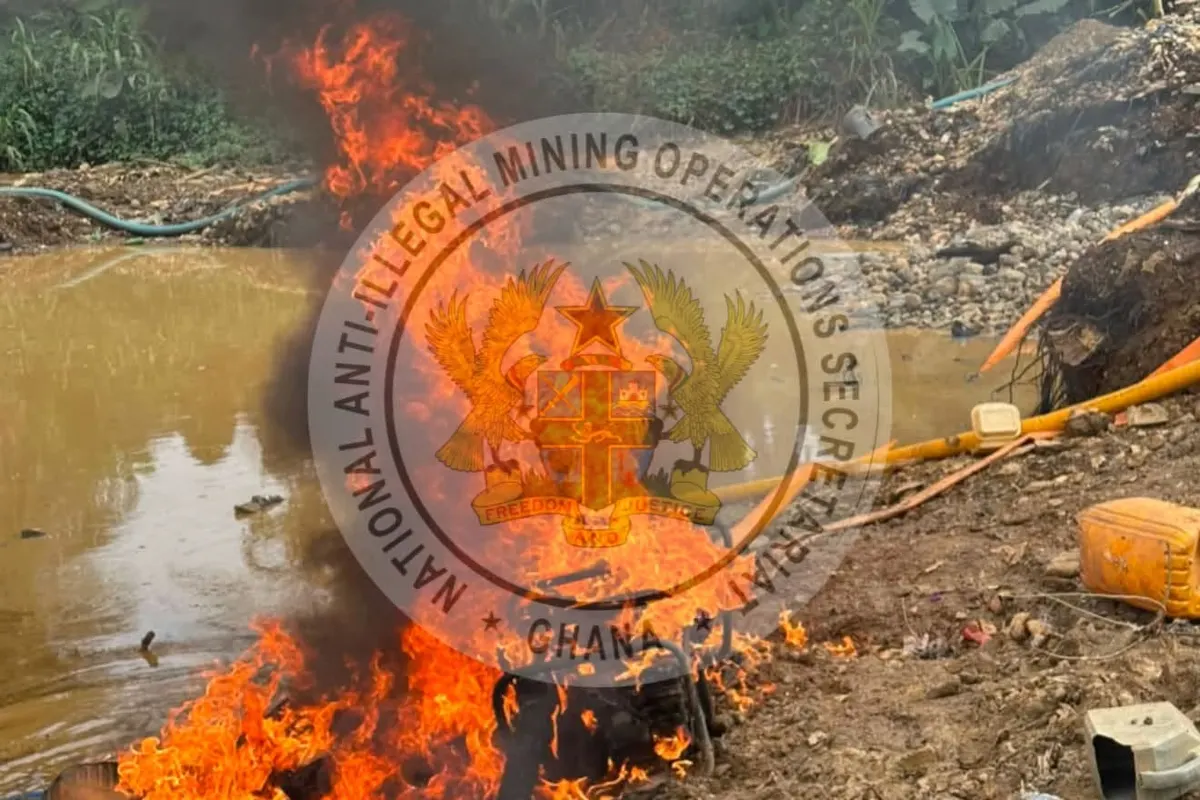
The Talensi Traditional Council has announced a comprehensive ban on unauthorised mining activities across its jurisdiction, signalling a firm stance against the illegal extraction of minerals that has plagued communities in Ghana's Upper East Region. According to the Council's resolution, any person found engaging in unauthorised mining operations will face dual consequences: referral to law enforcement agencies for criminal prosecution and customary sanctions imposed by the Traditional Council itself.
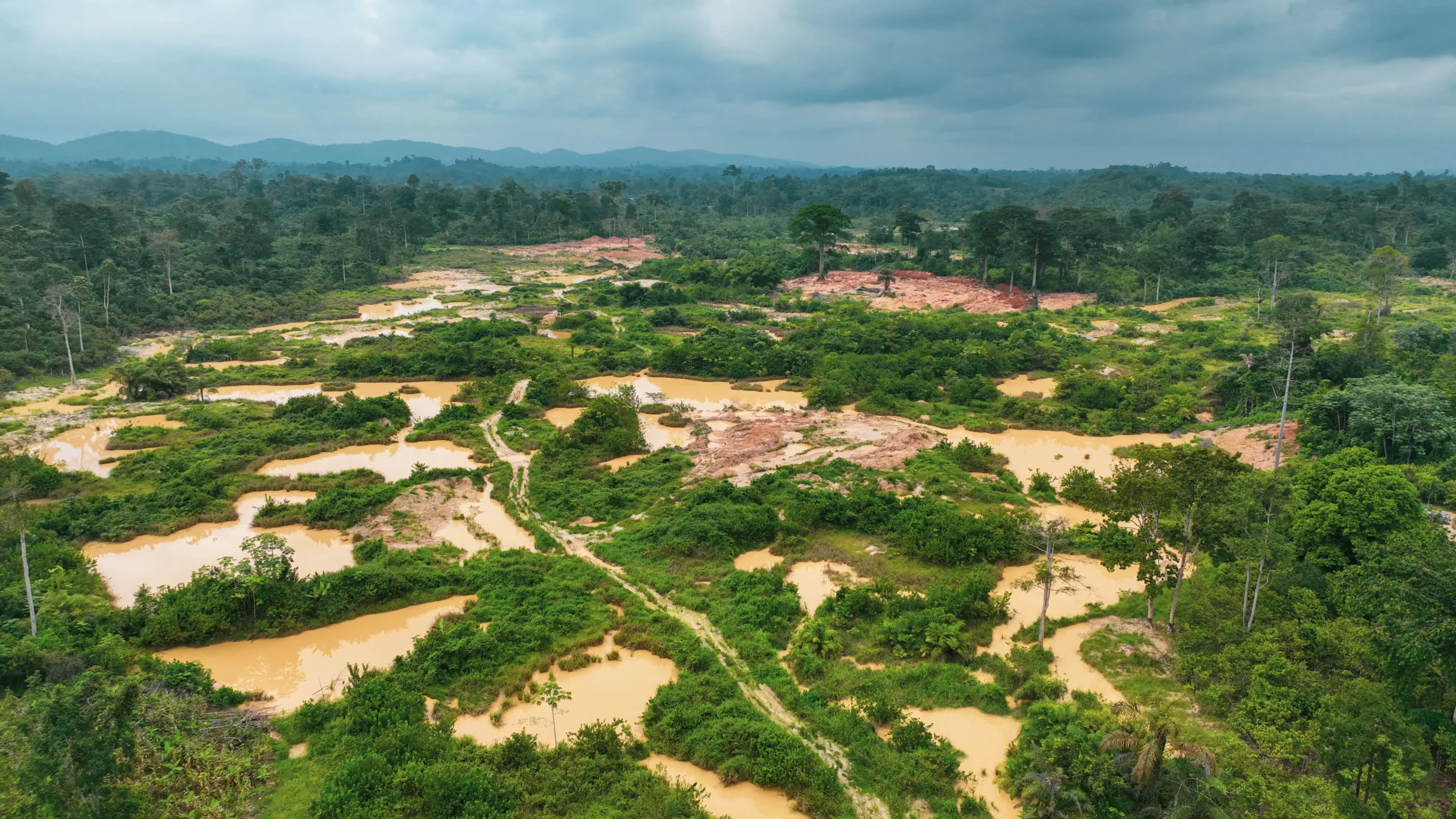
This move represents an escalation in efforts to combat the mining menace that has devastated farming communities, contaminated water sources, and created safety hazards across rural Ghana. The Talensi area, located in the Upper East Region, has been a hotspot for both legal and illegal small-scale mining activities, with traditional authorities increasingly taking matters into their own hands as national enforcement remains sporadic.
Dual Enforcement Strategy
What makes this ban particularly significant is its two-pronged enforcement approach. Violators will not only face formal criminal charges through Ghana Police Service and other law enforcement bodies, but will also be subject to customary law remedies. This means the Traditional Council can levy fines, impose community labour requirements, or enforce other sanctions rooted in local customs and traditions. Such combined pressure could prove more effective than legal action alone, as many communities respect traditional authority deeply.
The Talensi Traditional Council's action reflects broader frustration among Ghanaian communities with the scale of illegal mining damage. Unauthorised mining operations—often called galamsey—have become a major concern in agricultural regions, destroying arable land, polluting water supplies, and creating environmental degradation that takes years to reverse.
Why This Matters for Ghana
This ban underscores a critical challenge facing Ghana's mining sector: the gap between national regulation and ground-level enforcement. While Ghana's government has launched various anti-galamsey initiatives, including the formation of task forces and policy announcements, illegal mining continues in many regions due to weak enforcement, corruption, and limited resources.
Traditional councils, as custodians of land and community welfare, are increasingly stepping into this enforcement vacuum. Their involvement is important because they understand local dynamics, command respect, and can mobilise community support for compliance. However, reliance on traditional authorities also highlights the need for stronger central government action—mining regulation should not fall entirely on chiefs and councils.
The Talensi decision also has implications for the broader Upper East Region, where farming is a primary livelihood and water quality is essential. Illegal mining operations contaminate boreholes and streams that communities depend on, creating public health risks. A strong enforcement stance at the local level sends a message that communities are willing to protect their resources.
Moving forward, the success of this ban will depend on consistent enforcement and community participation. Traditional councils must follow through on prosecution threats, and law enforcement agencies must respond promptly to reported violations. If successful, the Talensi model could inspire similar action in other mining-affected regions across Ghana.
Source: 3News


Comments (0)
Be the first to comment.