
Forestry Commission raids Atewa Reserve, arrests illegal miners in major crackdown


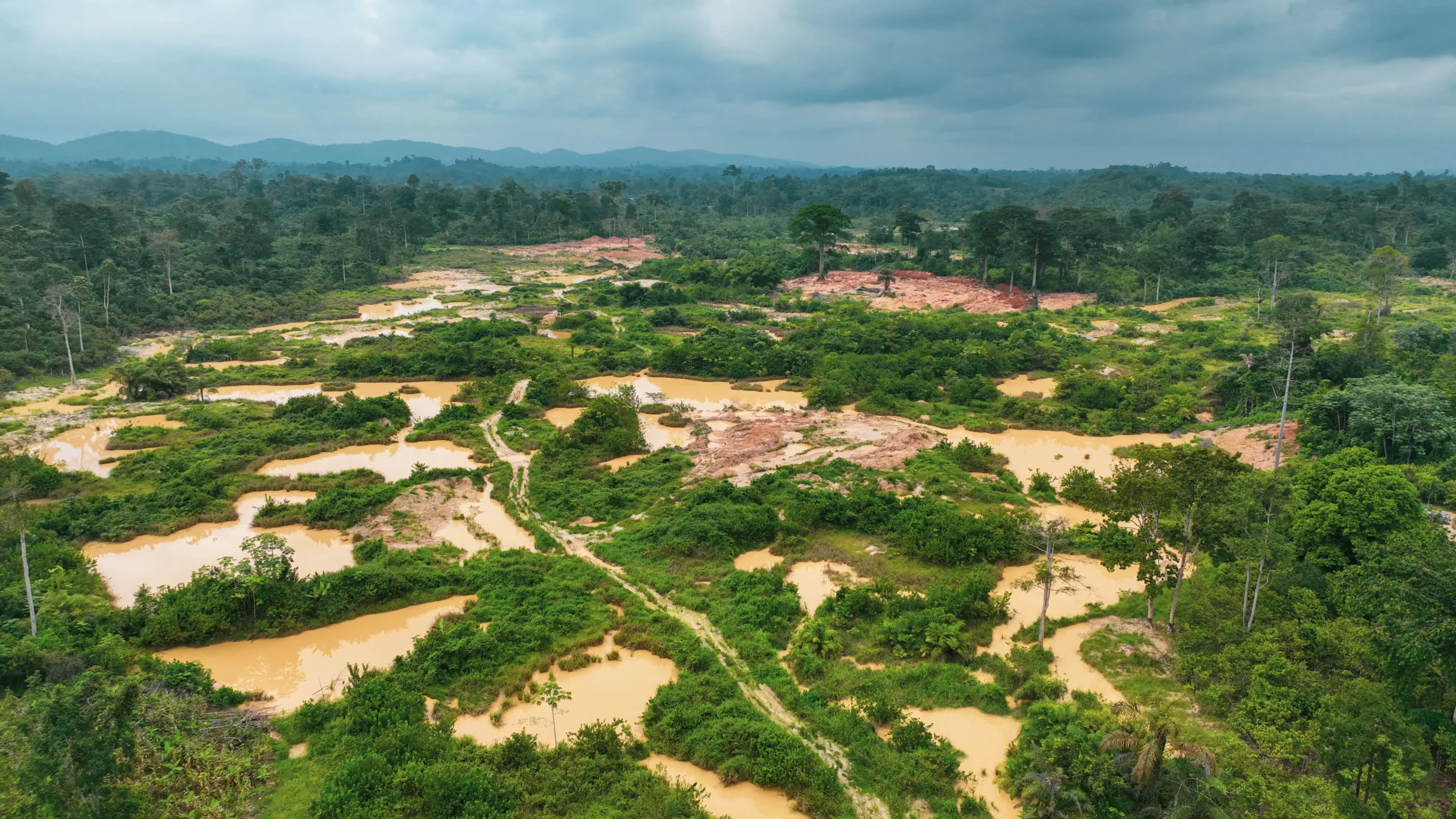
Ghana's Forestry Commission has intensified its war against illegal mining, executing a covert dawn raid at the Atewa Forest Reserve that has resulted in arrests and seizures. The operation, conducted on September 4, 2026, targeted illegal mining activities around the Sagyimase community in Compartments 61 and 62 of the reserve's Kyebi Forest District section.
The coordinated taskforce operation marks another chapter in the ongoing struggle to protect one of West Africa's most ecologically significant forest reserves from the ravages of artisanal and small-scale mining. The Atewa Forest Reserve, spanning over 24,000 hectares, is recognised internationally as a Critical Forest Area and remains vital for Ghana's water security and biodiversity conservation.
Scale and significance of the Atewa threat
Illegal mining in forest reserves has become a persistent challenge for Ghana's environmental authorities. The Atewa Forest Reserve, in particular, has faced mounting pressure from mining activities that threaten its watershed functions and endemic species. The reserve supplies water to millions of Ghanaians and serves as habitat for numerous species found nowhere else on Earth.
By conducting early-morning operations, enforcement teams maximise their chances of apprehending offenders before they can flee or destroy evidence. Such raids require careful coordination between multiple units within the Forestry Commission and often involve intelligence gathering over extended periods.
Why it matters for Ghana
Ghana's forest reserves are critical infrastructure for the nation's economic and environmental future. Beyond their role in supporting biodiversity, these forests regulate water cycles, prevent soil erosion, and help mitigate climate change impacts. When illegal mining degrades these areas, the costs extend far beyond immediate environmental damage.
Water security remains a pressing concern for many Ghanaian communities. The Atewa Forest Reserve specifically plays a crucial role in maintaining dry-season water flows that downstream communities depend upon for drinking water and agricultural production. Degradation of this forest directly impacts millions of Ghanaians who rely on water systems fed by the reserve.
The government has made environmental protection a stated priority, recognising that sustainable resource management is essential for long-term economic stability. However, enforcement remains challenging, as illegal miners often operate in remote areas with limited law enforcement presence, and the potential profits from mining can exceed the perceived risks of apprehension.
Ongoing enforcement challenges
While enforcement operations grab headlines, Ghanaian authorities continue to grapple with the underlying drivers of illegal mining: poverty, limited economic opportunities in mining communities, and high demand for gold both locally and internationally. Sustainable solutions will likely require a combination of stricter enforcement, community engagement, alternative livelihood programmes, and investment in formal, regulated mining sectors.
The Forestry Commission's taskforce operations demonstrate commitment to protecting Ghana's natural heritage, but experts emphasise that such raids alone cannot reverse years of cumulative environmental damage. Long-term forest restoration and prevention of future illegal activities will demand sustained resources and comprehensive policy approaches.
Source: 3News



Comments (0)
Be the first to comment.