
IMF Programme, Not Government Policy Alone, Driving Ghana's Economic Recovery—MP Argues
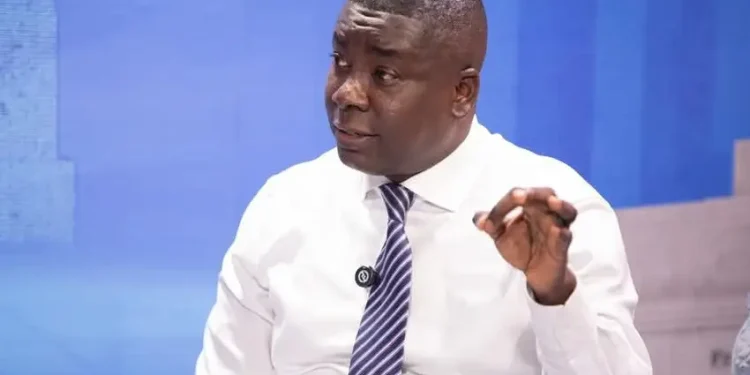

Ghana's recent economic improvements are primarily the result of International Monetary Fund–supported reforms and structural adjustments initiated before the current administration took office, rather than superior economic management by the present government, according to Tano North Member of Parliament Dr Gideon Boako.
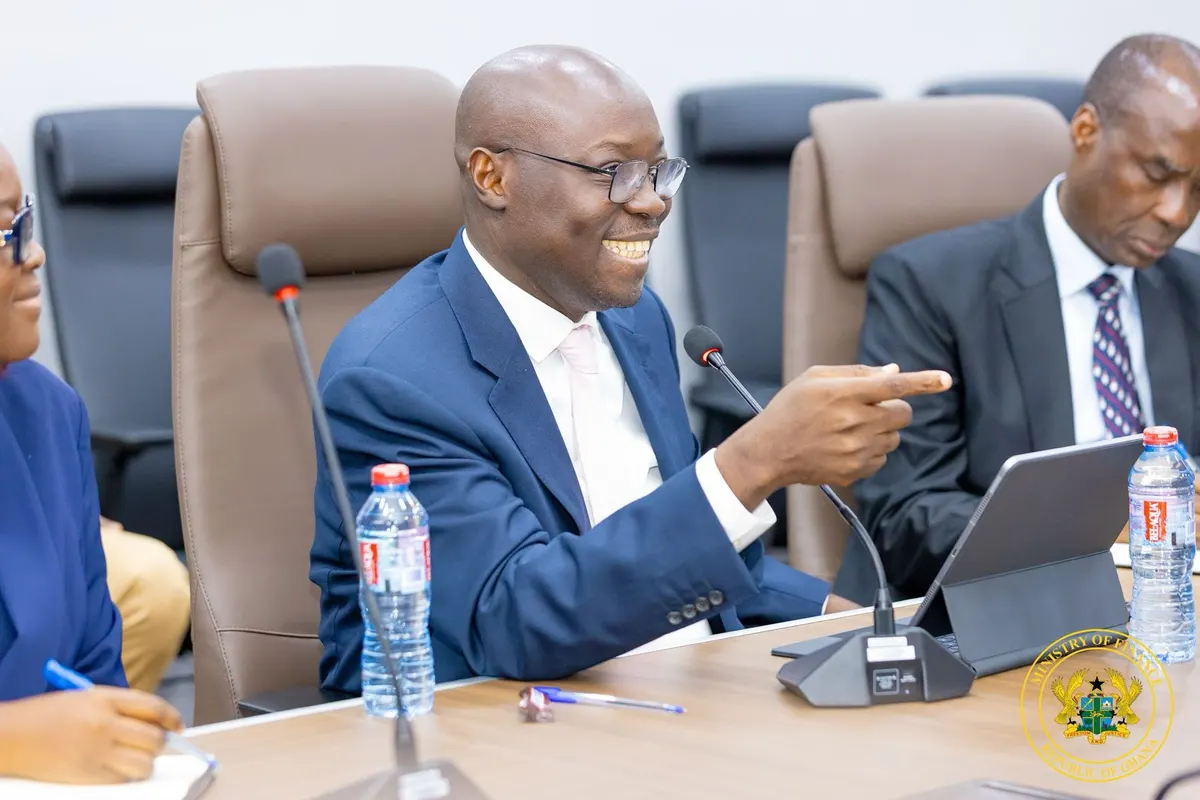
Speaking on JoyNews' Newsfile programme on Saturday, July 25, Dr Boako directly challenged Finance Minister Dr Cassiel Ato Forson's narrative attributing Ghana's macroeconomic gains solely to the government's policies. The legislator described this framing as "attribution bias" that overlooks the groundwork laid by the previous administration and the structural support provided by the IMF programme.
"We have come from somewhere," Dr Boako emphasised, insisting that the current government must acknowledge the policy foundations and reform processes that preceded its tenure. He argued that while the administration deserves recognition for maintaining inherited policies that have yielded positive results, it cannot claim exclusive responsibility for Ghana's improving economic indicators.
Multiple Factors Behind Economic Recovery
Dr Boako drew attention to an assessment by Ghana's National Development Planning Commission examining the IMF-supported programme. According to the MP, the report identifies several interconnected policy interventions as drivers of improvement, including fiscal consolidation, expenditure rationalisation, monetary policy tightening, debt restructuring, reforms to strengthen confidence in the foreign exchange market, and measures to boost reserve accumulation.
"The decision not to change what you inherited is itself a decision. If it produces good results, it should be commended. But whatever has brought us here is multi-causal, not mono-causal," Dr Boako stated, highlighting the complexity of economic recovery and the need for balanced attribution.
Persistent Revenue Challenges Cast Shadow on Sustainability
Despite the government's headline economic gains, Dr Boako raised significant concerns about the durability and effectiveness of the recovery. He pointed to weak domestic revenue mobilisation as a persistent structural weakness threatening the sustainability of improvements.
The MP noted that although the government had targeted a revenue-to-GDP ratio of 18 per cent, actual performance reached only approximately 15.5 to 15.7 per cent in 2025—a figure below what the current administration inherited. Revenue shortfalls have reportedly continued into 2026, affecting major tax handles including personal income tax (PAYE), corporate income tax, customs duties and the Growth and Sustainability Levy.
Dr Boako accused the Finance Minister of understating revenue challenges during the Mid-Year Budget Review, arguing that detailed budget appendices reveal a more serious revenue collection problem than publicly acknowledged. The resulting revenue shortfall has forced government spending below target, raising questions about capacity to finance critical infrastructure and public services.
Why It Matters for Ghana: Economic Gains Versus Service Delivery
Dr Boako's critique highlights a fundamental tension in Ghana's current economic narrative. While international observers have praised Ghana's macroeconomic stabilisation and return to positive growth, ordinary Ghanaians remain focused on tangible improvements in infrastructure, utilities and public service quality. The MP's assertion that impressive economic indicators may mask underlying revenue weaknesses and service delivery gaps reflects concerns many citizens have expressed about whether stabilisation translates to real improvement in their daily lives.
The debate also carries political implications. With elections approaching, how credit for economic recovery is distributed between administrations will influence voter perceptions. Dr Boako's framing—acknowledging the present government's role while emphasising continuity of previous reforms and IMF conditionality—positions the opposition to claim a share of credit for the foundation, whilst questioning whether current policies can sustain growth whilst delivering essential services.
The MP's focus on revenue mobilisation weakness is particularly significant. If Ghana's tax collection remains below target and below inherited levels, future administrations may face constrained fiscal space for public investment, potentially undermining both economic growth and service delivery improvements that citizens expect from a stabilised economy.
Source: The Ghana Report


Comments (0)
Be the first to comment.