
Maintain fiscal discipline amid pressures, Joe Jackson warns Finance Ministry


A prominent voice from Ghana's financial circles has cautioned the Mahama administration against abandoning the fiscal discipline that helped stabilise the economy, even as the government pursues ambitious plans to eliminate wasteful spending.
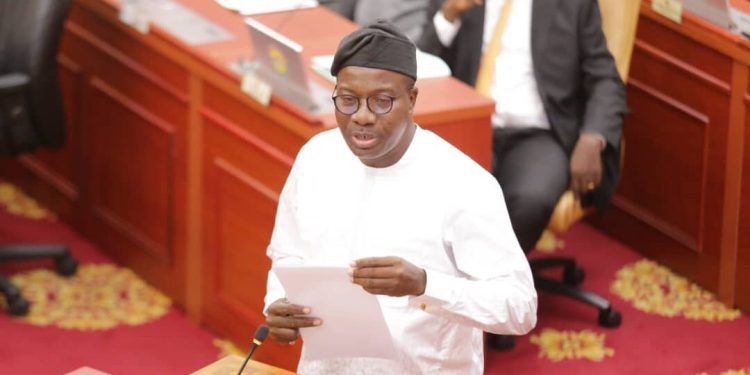
Joe Jackson's warning comes as Deputy Minister of Finance Thomas Nyarko Ampem emphasised the administration's commitment to rooting out inefficiencies across public institutions. The remarks highlight an ongoing tension within government economic policy: balancing the need for structural reforms with the political pressure to expand services and investments.
The push for efficiency
The Finance Ministry has signalled that waste reduction is a cornerstone of its economic strategy. By streamlining operations and eliminating redundancies, officials believe the government can free up resources for priority programmes without necessarily increasing the overall budget. This approach reflects broader efforts to improve Ghana's fiscal position and manage the country's debt obligations more effectively.
Deputy Minister Ampem's statements underline that the government recognises the importance of internal efficiency. In a country where many citizens perceive widespread misuse of public funds, tackling waste has become both an economic necessity and a political imperative.
Why it matters for Ghana
Ghana's economy remains vulnerable to external shocks and relies heavily on investor confidence. The International Monetary Fund programme that helped stabilise the country in recent years was built on strict adherence to spending limits and revenue targets. Any perception that the government is loosening discipline could undermine that confidence and complicate future borrowing at favourable rates.
Jackson's intervention suggests concern that political demands—whether for expanded public sector employment, increased infrastructure spending, or enhanced social programmes—could gradually erode the very fiscal framework that has prevented economic crisis. This risk is particularly acute in the second year of a government, when initial reform momentum often wanes and constituencies begin pressing for tangible benefits.
For ordinary Ghanaians, the balance matters considerably. Maintaining macroeconomic stability helps keep inflation low, protects savings, and ensures the currency remains relatively predictable. Conversely, a return to fiscal indiscipline could trigger currency depreciation, price spirals, and erosion of purchasing power—effects felt most acutely by lower-income households.
The challenge ahead
Ghana's government faces a genuine dilemma. Citizens and civil society organisations rightly expect improvements in healthcare, education, and infrastructure. Yet the fiscal space to deliver these without compromising stability is limited. The government's strategy of cutting waste is sensible in principle, but execution will be critical.
Success requires sustained commitment across multiple agencies and resistance to ad-hoc spending decisions that undermine the overall framework. It also demands transparency about where savings are being reinvested and honest communication about what the government can realistically afford.
Jackson's caution serves as a reminder that economic stability, once achieved, cannot be taken for granted—it requires constant vigilance and principled decision-making, even when facing pressure to do otherwise.
Source: 3News



Comments (0)
Be the first to comment.