
Ghana's Mid-Year Budget Shows Economy Regaining Investor Confidence, Says Senior Official
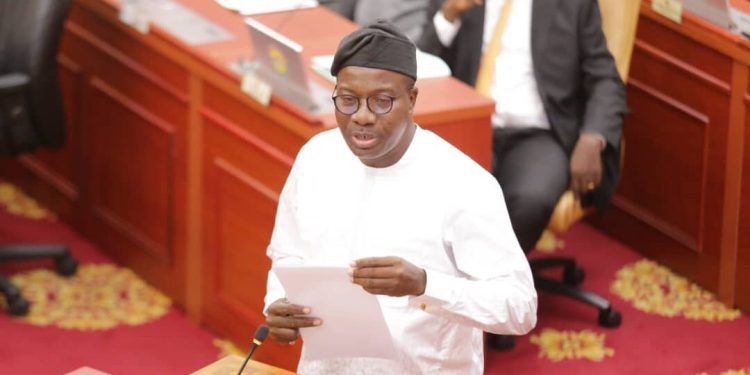

Ghana's government has used its mid-year budget presentation to highlight what it describes as a return to economic stability and renewed confidence from international investors. During the budget address, the Ministry of Finance underscored that global capital markets are once again extending invitations to Ghana to access borrowing facilities—a significant shift that officials interpret as validation of the country's fiscal management trajectory.
The mid-year budget review is a crucial checkpoint in Ghana's financial calendar, allowing the government to assess revenue collection, expenditure patterns, and economic performance against initial projections. It provides an opportunity to make necessary adjustments to spending priorities and revenue targets based on actual performance in the first six months of the fiscal year.
What the Market Signal Means
When international capital markets actively invite a country to borrow, it signals investor confidence in that nation's ability to service debt and maintain macroeconomic stability. This contrasts with periods when Ghana faced tighter lending conditions or higher borrowing costs. The fact that foreign investors are approaching Ghana—rather than Ghana desperately seeking access—suggests improving perceptions of the country's economic outlook and debt management capabilities.
Access to international capital markets is particularly important for Ghana given its ongoing development financing needs. The country requires resources for infrastructure projects, social programmes, and economic diversification initiatives. Favourable borrowing conditions mean lower interest rates and better terms, ultimately reducing the long-term fiscal burden on Ghanaian taxpayers.
Why It Matters for Ghana
Economic sentiment among international investors directly affects Ghana's ability to fund critical projects and maintain currency stability. When confidence is high, foreign investors are more willing to hold Ghanaian assets, support the cedi, and provide affordable financing. Conversely, periods of investor pessimism can trigger capital flight, currency depreciation, and borrowing cost spikes that constrain government spending and private sector growth.
For ordinary Ghanaians, improved investor confidence typically translates into better prospects for job creation, business growth, and economic opportunities. Government fiscal space can expand to fund education, healthcare, and infrastructure without crowding out private investment. A stable macroeconomic environment also reduces inflation pressures and supports purchasing power.
The mid-year budget presentation comes at a time when Ghana continues navigating post-pandemic economic recovery and managing a substantial debt stock accumulated over the past decade. Demonstrating to investors that the government maintains fiscal discipline and can execute its budget plans is essential for sustaining this renewed confidence.
The Road Ahead
However, renewed market interest must be accompanied by tangible economic outcomes. Sustained investor confidence requires consistent fiscal performance, transparent public financial management, and credible progress towards revenue mobilisation targets. Ghana's success in converting this market access into productive investments—rather than using borrowed funds inefficiently—will ultimately determine whether economic gains translate into improved living standards for citizens.
The government will need to demonstrate that improved market conditions are being leveraged strategically to fund growth-enabling investments rather than recurrent expenditure, ensuring that borrowing today does not become a burden for future generations of Ghanaians.
Source: 3News



Comments (0)
Be the first to comment.