
NPP Deputy Chief Calls for Chief Justice's Resignation Over SIGA Praise Controversy


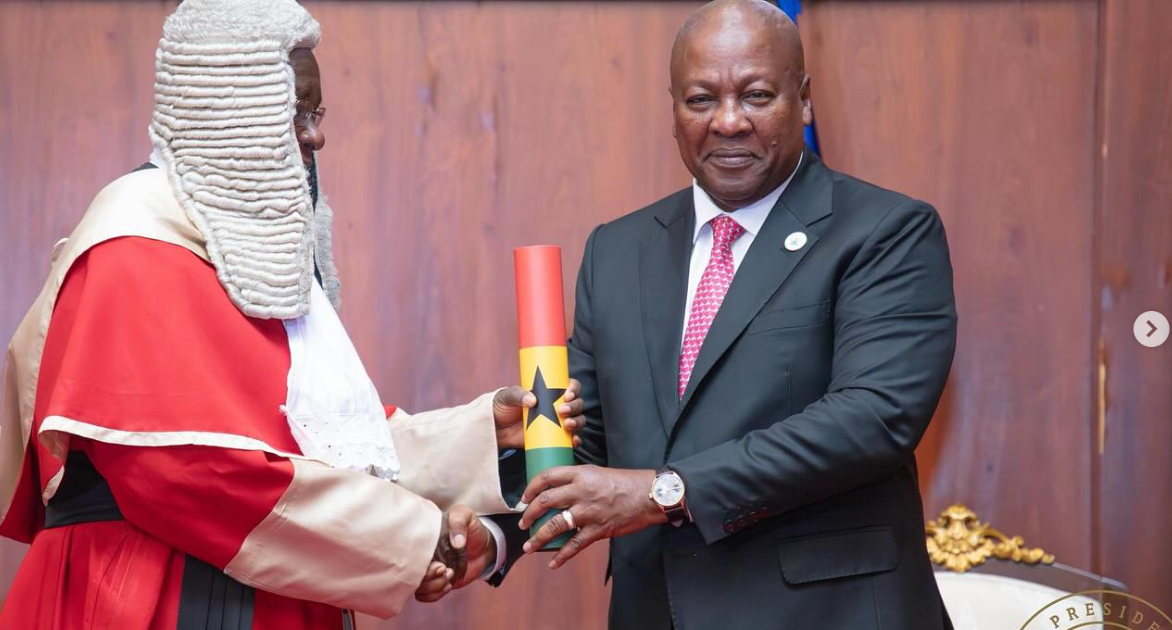
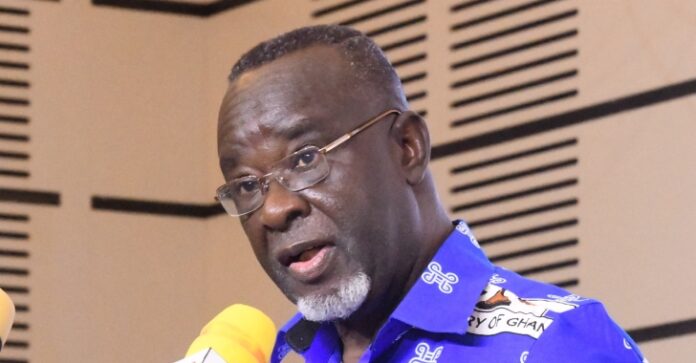
Ghana's political landscape has been rocked by a fresh controversy involving the judiciary's impartiality, after the Deputy General Secretary of the New Patriotic Party (NPP) called for Chief Justice Baffoe-Bonnie to resign and be referred to the Council of State. The demand stems from the Chief Justice's recent public statements praising state institutions that have generated profits, according to figures released by the State Interests and Governance Authority (SIGA).
The criticism centres on concerns that such remarks may undermine the perception of judicial independence—a cornerstone of Ghana's democratic governance. According to the Deputy General Secretary, the Chief Justice's comments crossed a line by appearing to endorse economic performance metrics linked to state-owned enterprises, raising questions about whether the judiciary should be publicly championing executive or institutional achievements.
The SIGA Controversy and Political Tensions
The State Interests and Governance Authority oversees Ghana's portfolio of state-owned enterprises and public institutions. The Chief Justice's praise for SIGA-highlighted profits appears to have been interpreted by NPP leadership as an inappropriate alignment with particular policy narratives or institutional performance reports. The Deputy General Secretary's call for resignation and referral to the Council of State suggests the party views this as a serious breach of judicial conduct.
This public confrontation reflects deeper political anxieties in Ghana about the independence of key state institutions. The judiciary, as a co-equal branch of government alongside the executive and legislature, must maintain perceived neutrality—particularly on matters involving government economic performance or policy decisions that may come before the courts.
The Council of State, Ghana's advisory body comprising elder statesmen and senior public figures, has historically examined matters of national governance and institutional conduct. A referral there would represent a formal acknowledgement of concerns about the Chief Justice's conduct at the highest levels of state governance.
Why It Matters for Ghana
This controversy carries significant implications for Ghanaian democracy and public confidence in institutions. Citizens and civil society organisations depend on the judiciary to act as an impartial arbiter—free from political pressure or perceived bias. When senior judicial officials appear to endorse government or state institution performance, even indirectly, it can erode public trust in the courts' ability to make fair decisions in disputes involving the state.
Ghana has worked hard over decades to build credible, independent institutions. Political tensions around judicial independence have surfaced periodically, but calls for a Chief Justice's resignation from a major political party represent an escalation that demands careful handling. The country's constitutional framework exists to protect judicial independence precisely to prevent such conflicts.
For ordinary Ghanaians, the broader message is troubling: if key institutions are perceived as politicised or compromised, the rule of law—which underpins property rights, contract enforcement, and access to justice—weakens. Foreign and local investors also watch how Ghana handles judicial independence; confidence in the courts affects investment decisions and economic stability.
What Happens Next
The Chief Justice and the judiciary may respond publicly or through formal channels. The President, as head of state, and Parliament may also weigh in on whether such serious allegations warrant investigation or formal review. Civil society organisations and legal professionals have historically spoken out to defend judicial independence during similar episodes.
This incident underscores ongoing tensions in Ghanaian politics around institutional autonomy and political influence—issues that will likely dominate discussions as the country continues to navigate its democratic journey.
Source: 3News


Comments (0)
Be the first to comment.