Chief Justice Baffoe-Bonnie's Political Misstep Raises Fresh Questions About Judicial Independence in Ghana
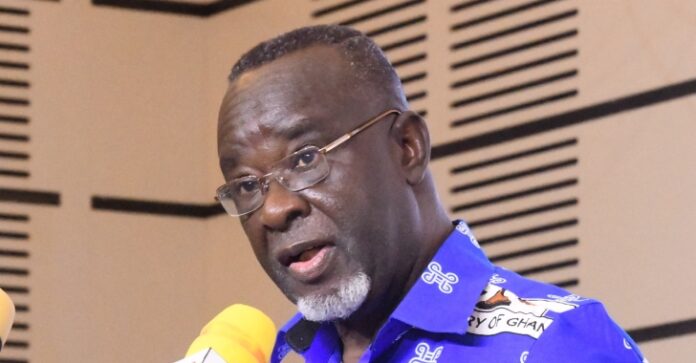
Ghana's judiciary is facing renewed scrutiny over judicial independence following the controversial statements made by Chief Justice Baffoe-Bonnie in September, in which he appeared to make partisan comparisons between the performance of government staff under different administrations. The incident has sparked widespread public concern about the impartiality of the nation's highest court and the credibility of its leadership.
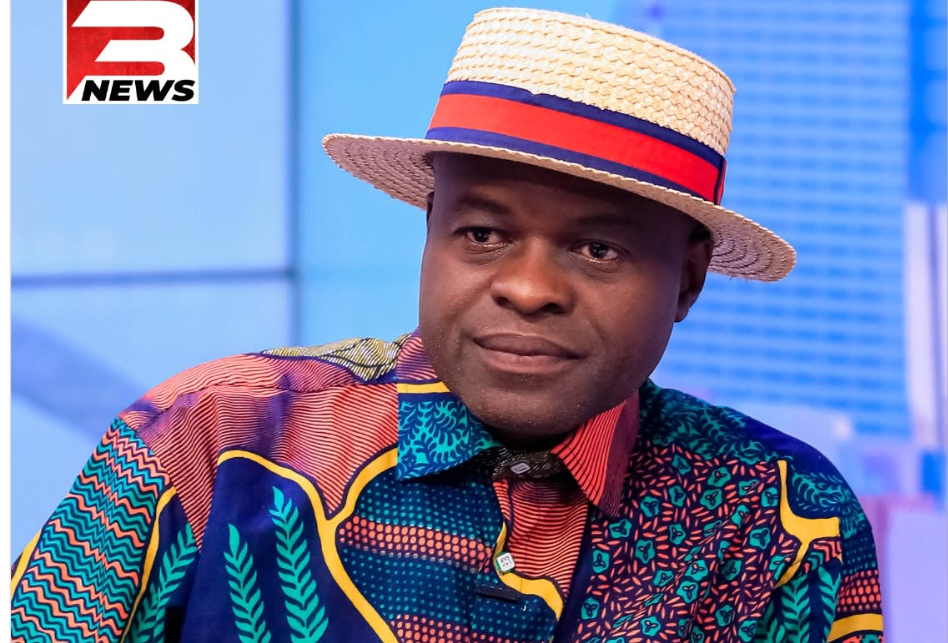
Writing in a recent column, commentator Kwesi Yankah has drawn attention to what he describes as a fundamental breach of judicial neutrality. Baffoe-Bonnie, who assumed office in 2025 as successor to former Chief Justice Torkonoo, reportedly made statements that appeared to favour the current government whilst criticising the opposition administration. According to Yankah's account, the Chief Justice "waxed political without apologies," stopping just short of endorsing a party slogan.
The incident represents a marked departure from the traditional expectations of Ghana's highest judicial officer. In the past, the position of Chief Justice carried an almost sacred quality—individuals who held the office were expected to maintain a dignified distance from partisan politics, effectively becoming symbols of judicial impartiality and the rule of law.
A Pattern of Concerns
Baffoe-Bonnie's September statements were not the first signs of concern. Earlier in 2026, eyebrows were raised when the Chief Justice participated in government delegations, including attendance at World Cup matches and state mourning ceremonies. Whilst individually unremarkable, these appearances alongside government officials raised questions about the appropriate boundaries between the judiciary and the executive.
More troubling, however, was Baffoe-Bonnie's reported decision to involve himself in matters relating to state-owned enterprises—areas explicitly outside the formal jurisdiction of the Chief Justice. This foray into executive territory, combined with his political commentary, has led observers to question whether the judiciary under his leadership maintains the institutional independence essential to Ghana's constitutional order.
Why This Matters for Ghana
Judicial independence is a cornerstone of democratic governance. When the Chief Justice—the head of the entire judicial system—appears to align with government interests or make partisan statements, the entire judiciary's credibility is undermined. Citizens, litigants, and international observers may begin to question whether court rulings are based on law or political consideration.
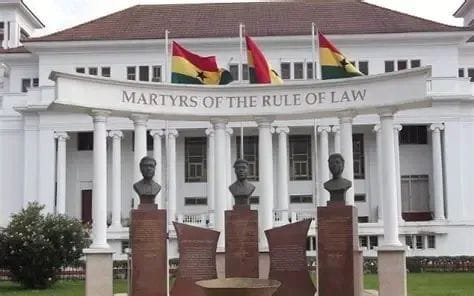
Ghana has long prided itself on possessing a relatively strong judicial system compared to many African nations. The Supreme Court's handling of the disputed 2012 presidential election, for instance, demonstrated the judiciary's capacity to adjudicate high-stakes political matters with gravitas. However, incidents like Baffoe-Bonnie's September statements risk eroding public confidence in that institutional strength.
The timing adds another dimension. Baffoe-Bonnie is due to retire within months of his appointment, having taken office close to his statutory retirement age. This raises questions about the decision-making process that led to his appointment in the first place, and whether consideration was given to the need for a Chief Justice with a longer tenure ahead.
The Path Forward
Yankah suggests that the President should interpret the Chief Justice's political misstep as an implicit application for early retirement. Whether such an outcome occurs remains uncertain. What is clear is that the judiciary faces a credibility challenge that demands urgent attention. The institution must reassert its commitment to impartiality, and its leadership must demonstrate—through both words and actions—that the scales of justice are not tilted in favour of the government of the day.
For Ghana's democracy to function effectively, the independence of the judiciary cannot be merely theoretical. It must be visibly upheld by those who lead it.
Source: The Ghana Report

Comments (0)
Be the first to comment.