Energy Levy Hike Masks True Cost of Living Crisis, Economist Warns Government
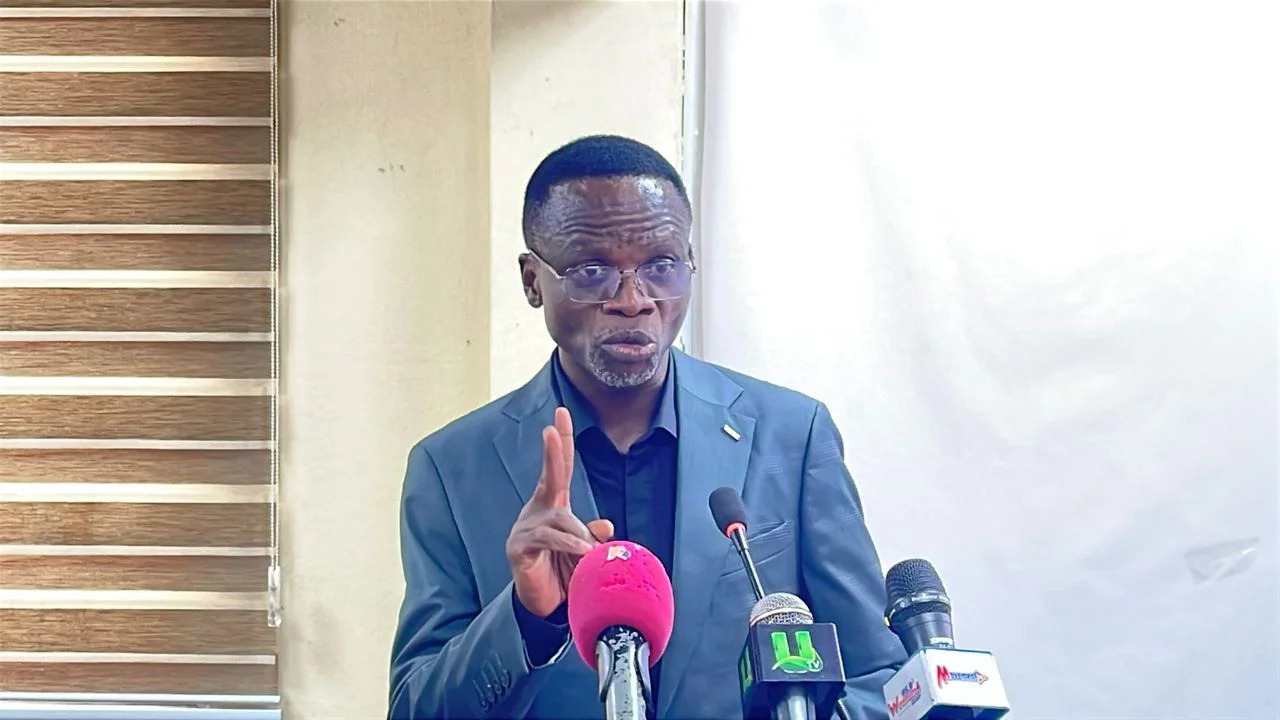
A prominent development economist has accused the government of downplaying a dramatic increase in the Energy Sector Levy (ESLA), arguing that the move represents a departure from promised fiscal transparency and will place fresh strain on Ghanaian households already grappling with economic hardship.
Dr. George Domfe, a Senior Research Fellow and Development Economist, has raised alarm at the levy's sharp rise from GHS0.24 to GHS1.93 per litre—an increase exceeding 700 percent. Despite the scale of this adjustment, Dr. Domfe contends that the measure received minimal prominence during the 2026 Mid-Year Budget Review presentation, suggesting deliberate obfuscation of a policy with wide-ranging implications for citizens and businesses.
The Ripple Effect on Everyday Costs
The significance of the ESLA hike extends far beyond fuel pumps. Energy costs form the backbone of Ghana's transportation and production systems, meaning increases inevitably cascade through the economy. Higher fuel prices drive up transport fares, inflate food costs at markets and supermarkets, and raise operational expenses for businesses ranging from manufacturing to commerce.
For ordinary Ghanaians already contending with inflation and stagnant wages, these secondary effects compound existing financial pressures. A lorry operator facing elevated fuel bills will pass costs to passengers; a baker paying more for fuel to power ovens will raise bread prices; a trader struggling with transport costs will adjust retail prices upward. The cumulative impact trickles through supply chains, ultimately affecting the purchasing power of workers, pensioners, and low-income households.
Dr. Domfe emphasises that taxation itself is not inherently problematic when designed fairly and communicated transparently. Governments legitimately require revenue to fund infrastructure, healthcare, education and other public goods. The concern centres on how this particular levy was introduced and justified.
Accountability and the E-Levy Paradox
The economist highlights an apparent contradiction in government messaging. Officials have repeatedly celebrated the abolition of the Electronic Transfer Levy (E-Levy) as evidence of their commitment to reducing the tax burden on citizens. Simultaneously, however, they have imposed a dramatically higher levy on energy—a commodity far more essential and unavoidable for ordinary Ghanaians than digital transfers.
This inconsistency raises questions about the government's actual priorities and its willingness to engage honestly with the public about fiscal choices. When a policy receives little fanfare during budget presentations despite its substantial impact, observers reasonably question whether deliberate minimisation is at play.
Dr. Domfe's critique reflects broader concerns among economists and policy analysts about fiscal transparency and the government's approach to taxation. Trust in public policy erodes when citizens feel major decisions affecting their wallets are obscured or insufficiently explained.
Why It Matters for Ghana
Ghana's economy remains vulnerable to external shocks and internal fiscal pressures. Cost-of-living crises have dominated public discourse for years, with many Ghanaians struggling to afford basic necessities. In this context, significant increases in levies on essential commodities warrant careful public deliberation and clear justification—not subdued presentation in budget reviews.
The ESLA controversy also speaks to broader governance issues: accountability, transparency and whether government decisions reflect the actual interests of ordinary citizens. If major fiscal decisions are insufficiently publicised, public trust in institutions deteriorates, making it harder for any administration to build support for necessary but difficult reforms.
Going forward, policymakers will face pressure to justify the levy increase and explain how revenues will benefit ordinary Ghanaians. Without clear communication and demonstrated commitment to progressive taxation and fiscal responsibility, the government risks deepening public cynicism about its economic agenda.
Source: The Ghana Report


Comments (0)
Be the first to comment.