Ghana's Growth Built on Labour and Capital, Not Innovation—What Economists Say Must Change
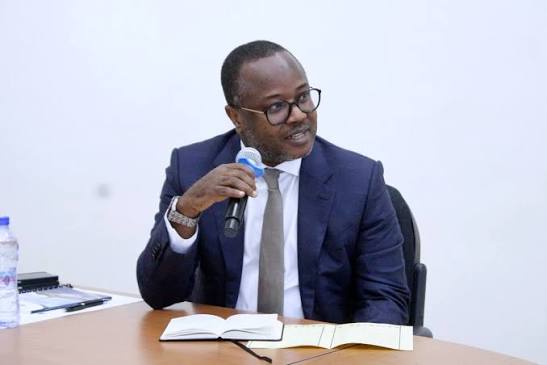
Ghana's economic growth over the past decade has been propped up by increases in labour and capital rather than genuine innovation and efficiency improvements, according to Dr. Maxwell Opoku-Afari, former First Deputy Governor of the Bank of Ghana. This diagnosis raises serious questions about whether the country's current growth model can deliver long-term prosperity and fiscal stability.
Speaking on the structural drivers of Ghana's economy between 2013 and 2024, Dr. Opoku-Afari highlighted a troubling pattern: agriculture has remained flat at roughly one-fifth of GDP, industry has been volatile and dominated by extractive sectors rather than manufacturing, and services have consistently led economic output. Crucially, he stressed that this composition reveals the absence of meaningful structural transformation—the shift toward higher-productivity, export-oriented industries that economists consider essential for sustainable development.
The Productivity Problem
The core issue, according to the analysis, is that Ghana's headline growth figures mask a deeper weakness. Strong headline numbers have not translated into stronger fiscal resilience or external stability because the economy has not undergone the structural changes needed to broaden the tax base, diversify exports, or improve Ghana's debt-servicing capacity.
Dr. Opoku-Afari, now a Non-Resident Fellow of the Finance for Development Lab, emphasised that this productivity decline raises fundamental questions about the durability, inclusiveness, and resilience of Ghana's growth strategy. Without innovation and efficiency gains driving output, the economy remains vulnerable to external shocks and dependent on unsustainable factor accumulation.
Infrastructure Borrowing and Crowding Out
A significant contributing factor to Ghana's fiscal pressures has been how government borrowing has been deployed. Although borrowing has frequently been justified as investment in infrastructure and flagship programmes, a considerable share has been absorbed by recurrent spending, weakened by cost overruns, or generated limited growth payoffs due to poor project appraisal and execution.
Petroleum revenues—traditionally earmarked for priority infrastructure—have also been diverted toward recurrent outlays and debt service. As fiscal pressures have intensified, higher government borrowing has increasingly crowded out private-sector credit, weighing on private investment and potential growth. This crowding-out effect has become increasingly evident, with private-sector credit growth slowing whilst elevated domestic yields have raised the cost of capital for businesses.
Why It Matters for Ghana
Dr. Opoku-Afari's analysis points to a classic debt-overhang dynamic: persistent fiscal imbalances and rising public financing needs have dampened private-sector activity and weakened medium-term growth prospects. For Ghana, this means that whilst the economy may continue to register positive growth in headline terms, the underlying foundations are becoming weaker.
The implications are serious. Without a decisive shift toward higher-productivity manufacturing and export-oriented sectors, Ghana risks remaining locked into a low-productivity growth trap. The economy will continue to depend on extractive revenues and labour-intensive activities, limiting job quality and wage growth for ordinary Ghanaians. Furthermore, without structural diversification, the government's tax base will struggle to broaden, making it harder to service the growing debt burden without crowding out private investment.
For policymakers, the message is clear: Ghana needs to prioritise genuine economic transformation—not just more of the same. This requires strategic investments in manufacturing, technology, and export-competitiveness, coupled with disciplined fiscal management that genuinely directs borrowed funds toward high-return infrastructure rather than recurrent spending. Without such shifts, Ghana's growth, despite appearing solid on paper, risks becoming increasingly hollow and unsustainable.
Source: The Ghana Report

Comments (0)
Be the first to comment.