
Hotel Manager Fined and Faces Prison for Dumping Refuse Behind Premises in Hohoe


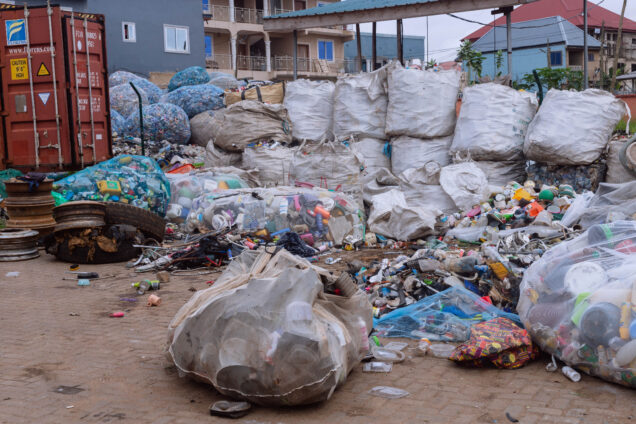
The Hohoe Magistrate Court has delivered a landmark conviction against Dzikum Justice, manager of Johnvic Memorial Hotel Ltd., for illegally accumulating refuse behind the hotel premises—a case that underscores Ghana's ongoing battle with environmental compliance in the hospitality sector.
Dzikum pleaded guilty to charges brought under section 56(a), (b) and (c) of the Public Health Act 2012 and was sentenced to pay a fine of GHS 1,440. Should he fail to settle the amount, he faces a six-month custodial sentence. The conviction sends a strong message that environmental violations, particularly by business operators who ought to know better, will not be tolerated.
How the violation unfolded
According to prosecuting officer Daniel Dotse Eklo, an Environmental Health Analyst, sanitary inspectors discovered the illegal dumping during routine inspections on 25 September 2025. Despite being educated about the breach and served notice to abate the nuisance, Dzikum failed to comply or report to the Environmental Health office for reinspection.
When environmental health officers returned on 12 May 2026 for a follow-up inspection, they found the illegal dumping continued. The repeated non-compliance prompted authorities to escalate the matter to court, where Dzikum was formally charged and subsequently convicted.
Why it matters for Ghana
This case reflects broader environmental management challenges across Ghana's hospitality and commercial sectors. Poor waste management practices don't affect only the immediate surroundings—they pose genuine public health risks to both hotel guests and nearby residents. Accumulated refuse creates breeding grounds for disease vectors, increases flooding risks during rainy seasons, and degrades neighbourhood aesthetics and property values.
Hotels and other commercial establishments in Ghana have long struggled with waste disposal compliance. Many lack adequate refuse management systems or deliberately flout regulations to cut costs. The Hohoe conviction demonstrates that courts and environmental health authorities are prepared to prosecute offenders, even when they occupy management positions. This case may encourage other local assemblies and environmental health directorates across Ghana to intensify enforcement activities.
The Public Health Act 2012, under which Dzikum was prosecuted, gives environmental health authorities powers to inspect premises, issue compliance notices, and pursue legal action. However, enforcement remains inconsistent across the country. Successful prosecutions like this one raise awareness among business operators about their legal obligations and consequences of non-compliance.
What comes next
Beyond the immediate penalty, this conviction may prompt Johnvic Memorial Hotel to invest in proper waste management infrastructure and staff training. The case also serves as a cautionary tale for other hospitality businesses operating in the Hohoe municipality and across Ghana: environmental violations carry legal and financial consequences.
Environmental health authorities are expected to increase monitoring and enforcement activities, particularly targeting hotels, restaurants, and other facilities where waste management is critical. Business operators who ignore compliance notices should expect court action, fines, and potential imprisonment.
Source: MyJoyOnline



Comments (0)
Be the first to comment.