Ghana's Sanitation Crisis: Why Floods Are a Choice, Not Just Weather
The Real Culprit Behind Ghana's Flood Disasters
When heavy rains pound Accra and other Ghanaian cities, the consequences are predictable and devastating: flooded homes, stranded commuters, destroyed livelihoods, and preventable deaths. Yet the rainfall itself is not the primary villain. Ghana's recurring flood crises are largely the result of normalised poor sanitation practices that have become embedded in society—a collective tolerance of filth that transforms ordinary rain into catastrophe.
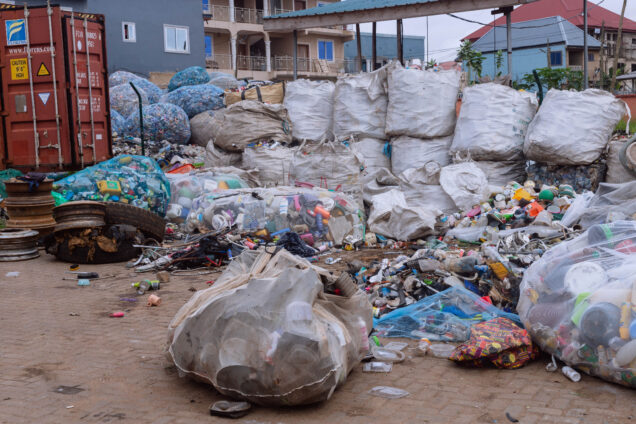
The scale of the problem reflects a troubling national reality. Drains function as rubbish bins. Beaches and waterways serve as dumping grounds. Plastic waste clogs gutters. Each discarded sachet water wrapper, each bottle tossed from a moving vehicle, and each heap of refuse pushed into a gutter forms part of a chain that culminates in flooded communities and disease outbreaks. This is not a natural disaster; it is a crisis manufactured by human choices and inaction.
The Broader Cost of Neglect
The consequences extend far beyond dirty streets. Public health systems are strained by preventable illnesses—cholera, typhoid, diarrhoea, and malaria surge in unsanitary conditions. Businesses lose revenue when roads become impassable. Children miss school. Families spend money treating illnesses that proper sanitation would have prevented. Government resources, which could fund education, healthcare, and job creation, are diverted instead to disaster response and cleanup operations.
Perhaps most troubling is the psychological shift: Ghanaians have come to accept conditions that should provoke outrage. Overflowing gutters no longer shock. Mountains of refuse seem normal. Annual flooding has become expected rather than preventable. This normalisation of the abnormal is the greatest obstacle to change. When society accepts deteriorating conditions as inevitable, momentum for transformation diminishes.
Why This Matters for Ghana
Ghana's sanitation crisis is fundamentally a governance and moral issue. While local authorities bear responsibility for waste collection, enforcing bylaws, and investing in modern waste management systems, they cannot function effectively without citizen participation. National development cannot proceed from government alone—it must begin with individual discipline and personal accountability.
The private sector also plays a critical role. Manufacturers must reduce unnecessary plastic packaging and adopt sustainable alternatives rather than treating environmental responsibility as a public relations exercise. Media organisations must move beyond reporting disasters after lives are lost; instead, they should conduct sustained investigations into institutional failures and track whether promises are fulfilled. The education system must embed environmental responsibility as a lifelong value from childhood, not merely during annual campaigns.
Critically, many Ghanaians who casually litter are the same people who complain when floodwaters damage their own homes. This contradiction reveals a gap between personal standards and civic responsibility. Keeping public spaces clean is not charity—it is an obligation to fellow citizens and future generations.
A Path Forward
Change will not come through slogans, one-off cleanup exercises, or speeches on World Environment Day. It requires understanding that each piece of rubbish discarded into a drain is not an isolated act but a contribution to a national catastrophe. A cleaner Ghana emerges when citizens internalise that personal discipline and public sanitation are inseparable.
The challenge is systemic and urgent. Government must enforce existing laws consistently. The private sector must reduce waste at the source. The media must maintain focus on accountability. Educational institutions must nurture environmental consciousness. And every citizen must recognise their role in building a safer, healthier nation. Without this convergence of responsibility across all sectors, Ghana's rainy seasons will continue to expose the consequences of a society that has forgotten that cleanliness, development, and human dignity are interconnected.
Source: The Ghana Report


Comments (0)
Be the first to comment.