Mahama tackles Ghana's sanitation crisis: President uses viral fish market video to push citizen responsibility
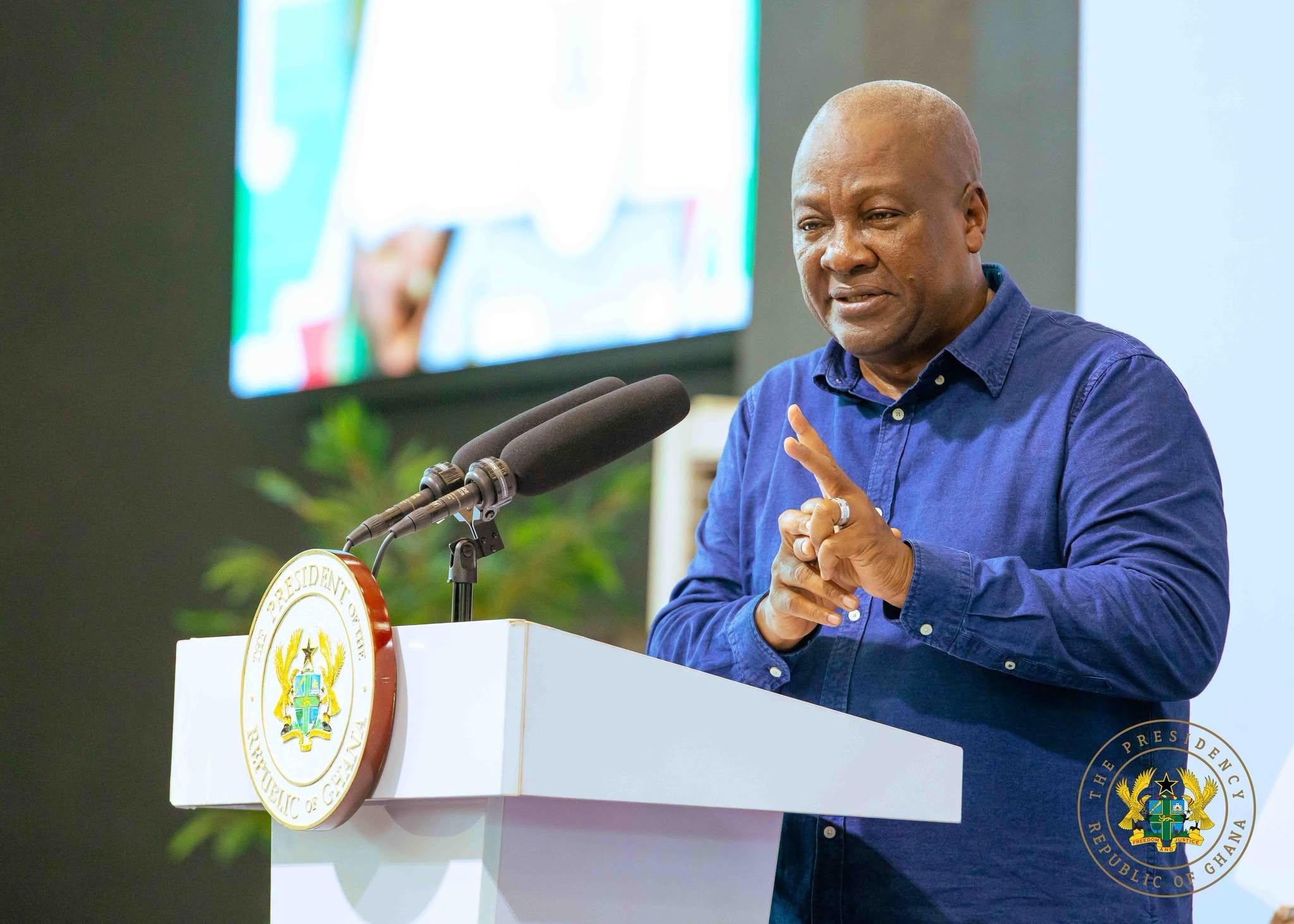
President John Dramani Mahama has made a direct appeal to Ghanaians to take personal ownership of environmental sanitation, citing a widely-circulated video by advocacy group Buz Stop Boys that exposed disturbing conditions at a fish-drying site in Tema New Town. The footage, which has sparked considerable public debate, revealed fish being processed amid heaps of surrounding waste, prompting serious questions about food safety standards and public health risks in Ghana's markets.
Speaking at the Men's Ministry Day celebration at Ringway Gospel Centre Assemblies of God Church on Sunday, August 2, President Mahama directly referenced the incident. "Recently I was watching a video, Buz Stop Boys went to Tema New Town and if you see the rubbish there, meanwhile they were drying fish and that fish was supposed to come into the market," he said, emphasising the disconnect between unsanitary conditions and consumer safety.
Government and citizen responsibility must work together
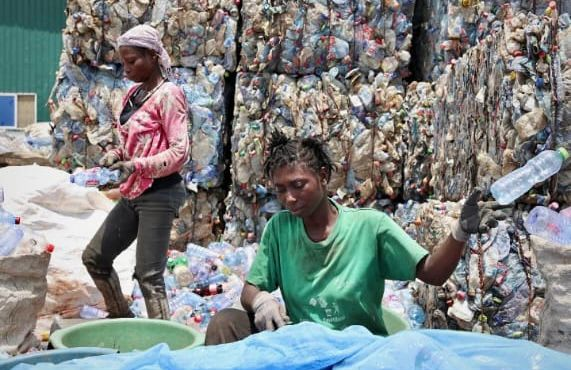
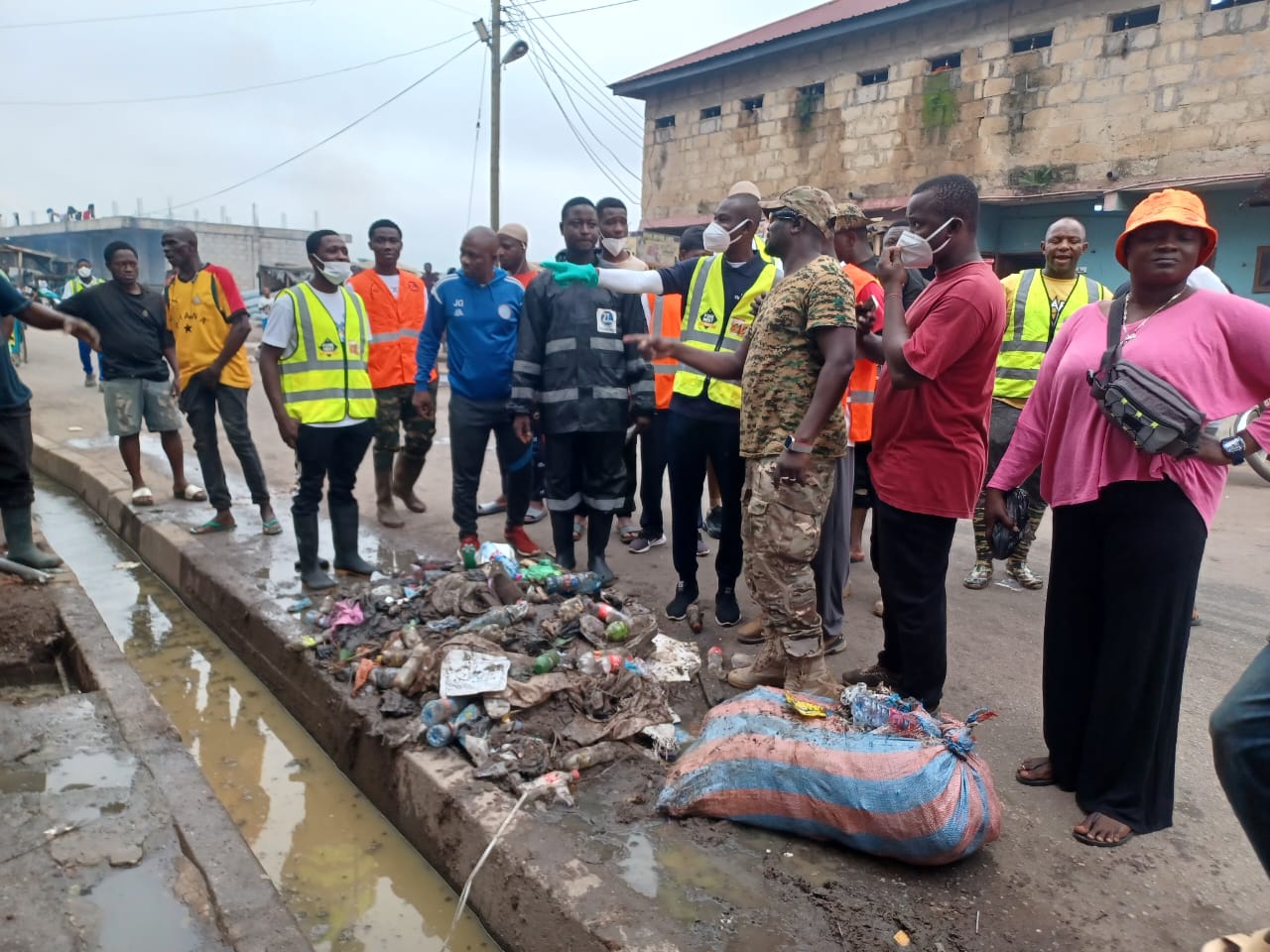
The President stressed a critical message: government initiatives alone cannot solve Ghana's sanitation challenges without corresponding action from citizens themselves. He highlighted a specific pattern of behaviour undermining environmental efforts—the indiscriminate dumping of sachet water plastics, Styrofoam, and other refuse into drainage systems. After flooding subsides, residents often fail to properly dispose of accumulated waste, perpetuating cycles of blockages that intensify future flooding and environmental degradation.
Mahama's intervention reflects growing frustration with the disconnect between infrastructure investment and public behaviour. Ghana has invested significantly in waste management systems and sanitation facilities, yet behavioural change remains elusive across many communities. The President's use of a viral video suggests recognition that real-world examples resonate more powerfully than abstract policy discussions.
Why it matters for Ghana
Ghana faces multiple intersecting sanitation challenges with direct consequences for public health. Poor waste management contributes to disease outbreaks, water contamination, and food safety hazards that disproportionately affect vulnerable populations. The Tema incident exemplifies how informal food processing sectors often operate outside regulatory oversight, creating health risks that formal systems have failed to address adequately.
The President's framing of sanitation as a moral and cultural issue rather than merely regulatory reflects a strategic shift in messaging. By invoking religious principles—specifically referencing James 2:17 on faith being accompanied by works—Mahama appeals to values-based motivation alongside enforcement. This approach acknowledges that legal penalties alone have proven insufficient to change deeply ingrained dumping habits across Ghana's communities.
The viral Buz Stop Boys video demonstrates the power of social media documentation in holding informal sectors accountable. However, it also exposes the gap between awareness and action. Many Ghanaians understand sanitation problems intellectually but lack consistent incentives to change behaviour, particularly when proper waste disposal infrastructure remains inadequate in many areas.
Moving forward: attitude and infrastructure
The President called for fundamental shifts in how Ghanaians view environmental stewardship, positioning clean communities as essential to national character development. This aspirational framing complements regulatory approaches, attempting to embed sanitation responsibility within civic identity rather than treating it solely as compliance.
However, expert observers note that sustainable change requires complementary investment: more waste collection points, education programmes targeting high-risk areas like informal markets, and stronger enforcement of food safety standards. The Tema case suggests that enforcement agencies may need better resourcing and coordination to monitor informal food processing sites effectively.
President Mahama's intervention signals that this issue now occupies space in high-level political discourse, potentially creating momentum for integrated policy responses combining public messaging, infrastructure investment, and regulatory action.
Source: MyJoyOnline


Comments (0)
Be the first to comment.