Ghana's reparatory justice push yields tangible results as major nations commit to restitution and apologies
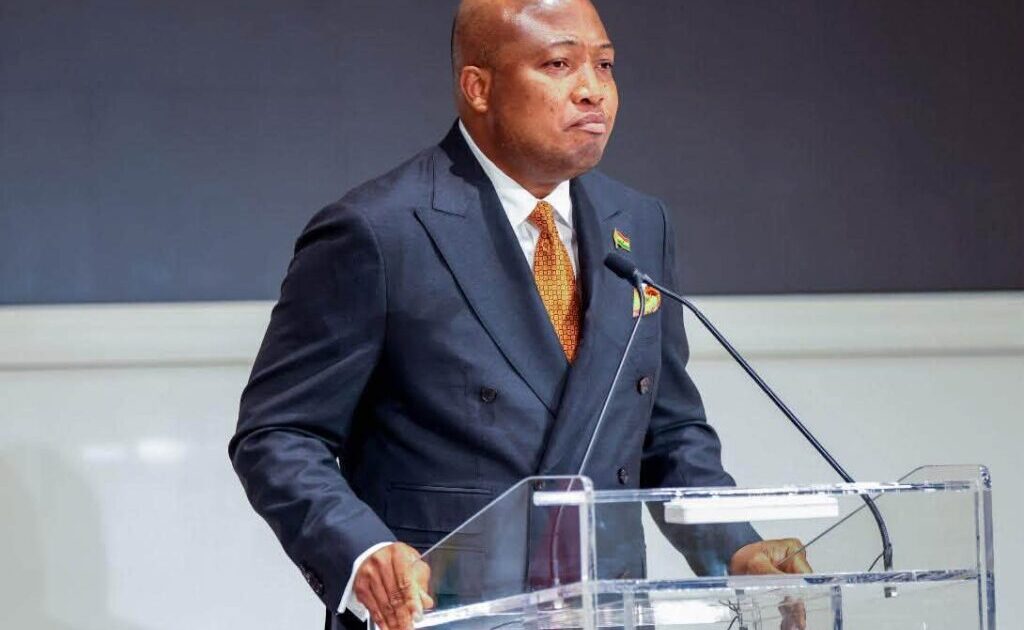
Ghana's diplomatic campaign for reparatory justice is delivering concrete results, with major Western nations and international institutions now committing to restitution, apologies and concrete support for addressing the legacy of the transatlantic slave trade. Foreign Affairs Minister Samuel Okudzeto Ablakwa announced the progress following the passage of a Ghana-led UN resolution that declared the slave trade the greatest crime against humanity, secured backing from 123 member states.
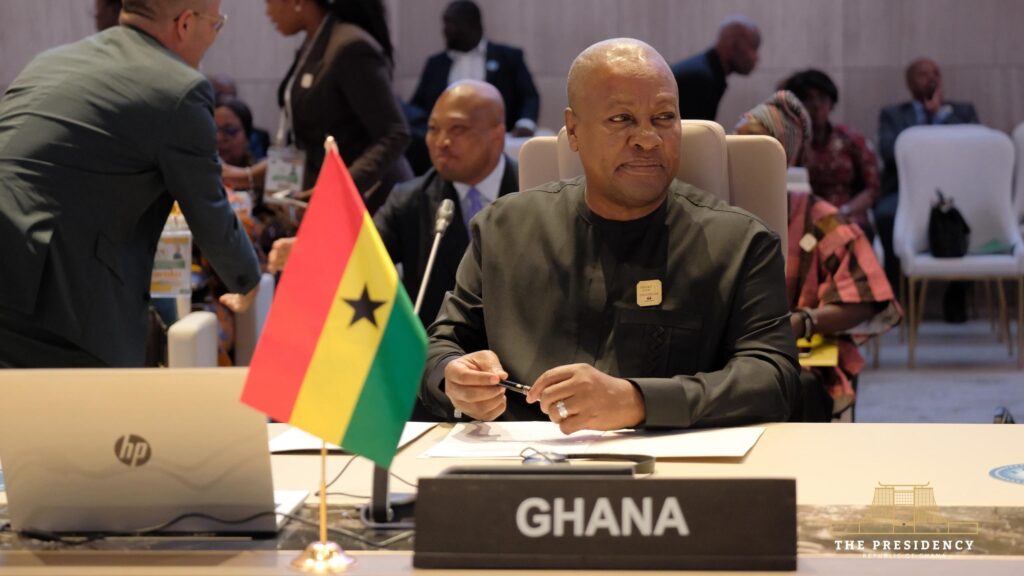
The developments represent a significant diplomatic victory for President John Dramani Mahama, who chairs the African Union's reparatory justice initiative. Speaking at the 81st UN General Assembly session in New York, Ghana strategically integrated reparatory justice advocacy with broader engagement on infrastructure, technology and trade, maximising the opportunity to build international momentum.
Concrete commitments from Europe and beyond
Several European nations that previously abstained from Ghana's UN resolution have now shifted position, with some presenting catalogues of looted cultural artefacts they are willing to repatriate. France, under President Emmanuel Macron, has issued a formal apology and committed to repealing its colonial-era Code Noir. The French government has also agreed to establish a scientific research commission in Accra to investigate slavery's historical legacy.
Denmark has apologised and pledged financial resources to restore Ghana's forts and castles—colonial-era structures that served as holding points for enslaved people. The Netherlands has returned the head of King Badu II, a 19th-century Ghanaian ruler who resisted slave raiders, while both the Netherlands and Germany have presented catalogues totalling over 2,000 artefacts for potential repatriation.
Religious institutions have also responded. The Church of England has pledged £100 million to support African youth entrepreneurs and scholars, and Pope Leo XIV issued an apology on behalf of the Catholic Church for its historical role in justifying slavery. The Archbishop of Canterbury similarly acknowledged the Church's complicity in the slave trade.
Why it matters for Ghana
Ghana's central role in the transatlantic slave trade—serving as a major departure point for enslaved Africans—makes reparatory justice a defining national priority. The campaign offers multiple benefits: recovered artefacts strengthen cultural heritage and historical education; financial commitments support the restoration of deteriorating historical sites in Keta, Shama and Awutu Senya; and international legal frameworks could establish precedents for compensation claims against nations enriched by slavery.
The initiative also positions Ghana as Africa's diplomatic leader on colonial justice issues, reinforcing its influence within the African Union and the Commonwealth. Minister Ablakwa noted that Jamaica's petition to the UK Privy Council and upcoming discussions at the Commonwealth Heads of Government Meeting in Antigua and Barbuda represent further opportunities to cement legal and political progress.
Institutional framework and next steps
Ghana has established three global panels to operationalise the reparatory justice agenda. President Mahama chairs the core reparatory justice panel, whilst Professor Gavua leads a restitution committee. A third panel of international legal experts is examining potential legal grounds for compelling nations and institutions to provide compensation—preliminary findings suggest viable pathways forward.
The significant participation of the United States in Ghana's side event at the UN, though the country did not issue a formal statement, signals a potential shift in American engagement on the issue. Combined with growing support from Commonwealth nations and European governments, the momentum suggests that reparatory justice—historically marginalised in international discourse—is becoming mainstream diplomatic business.
Source: MyJoyOnline
Comments (0)
Be the first to comment.