
Ghana's reparatory justice push means action, not just words – VP Opoku-Agyemang
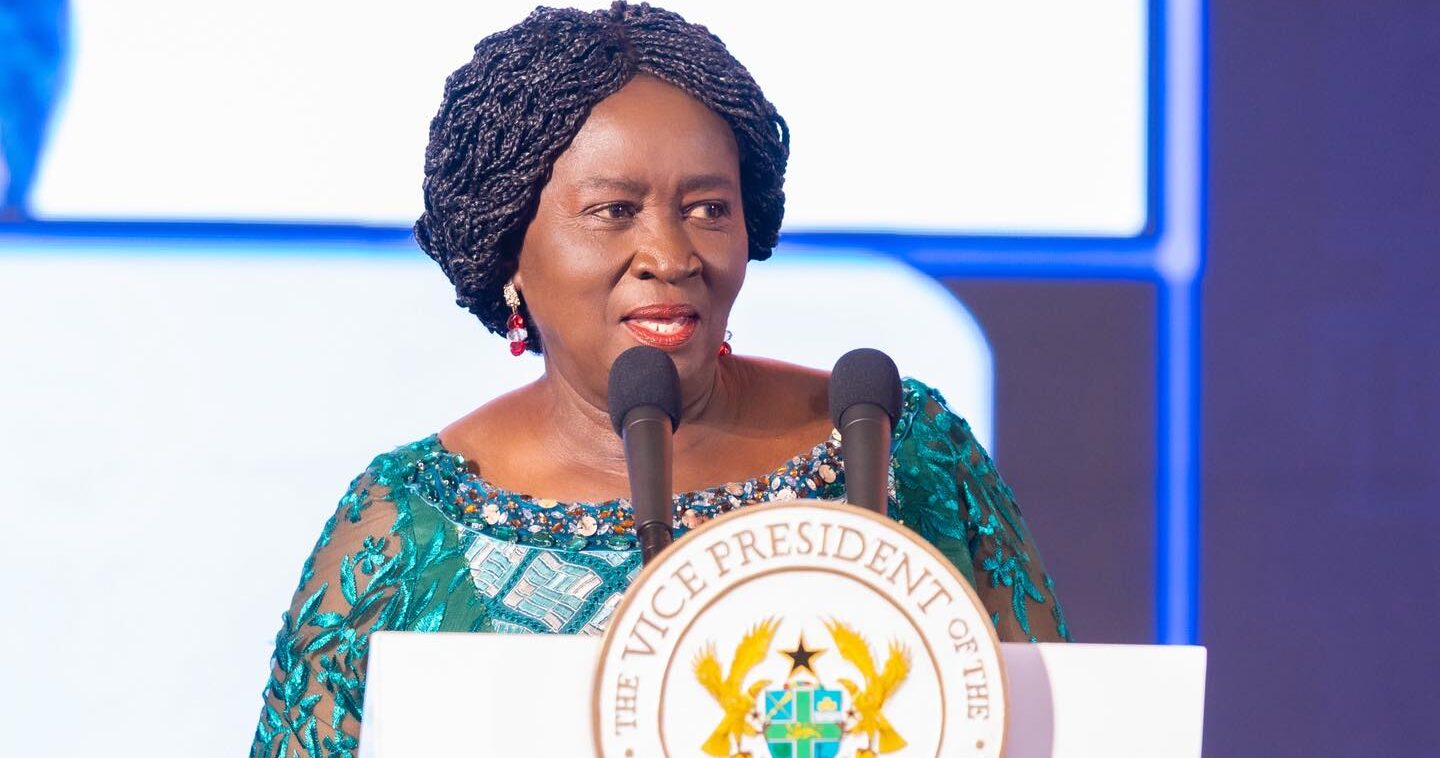

Vice President Professor Naana Jane Opoku-Agyemang has warned that Ghana's historic UN victory in securing global recognition of slavery as a crime against humanity must now translate into sustained, tangible action rather than symbolic gestures alone.
Speaking at a ceremony in Accra following the adoption of UN General Assembly Resolution 82/50 on March 25—a resolution Ghana led with support from the African Union and Caribbean partners—Prof. Opoku-Agyemang underscored that the moment demands responsibility from all stakeholders. "Recognition creates responsibility," she stated, signalling that Ghana intends to move beyond commemoration into practical engagement with the global African diaspora.
From recognition to real steps
The UN resolution, which formally classified the transatlantic slave trade and enslavement of Africans as "the gravest crime against humanity," represents a landmark diplomatic achievement for Ghana. However, Prof. Opoku-Agyemang acknowledged the hard work lies ahead. She outlined Ghana's commitment to deepening ties with diaspora communities through historical understanding, cultural exchanges, direct investment, and long-term institutional cooperation—moving beyond symbolic recognition into economic and social partnerships.
The Vice President's remarks follow President John Dramani Mahama's Next Steps Consultative Conference on Reparatory Justice held in Accra in June, which brought together stakeholders to map concrete pathways forward. Discussions centred on education, cultural preservation, restitution mechanisms, legal frameworks, and sustained international collaboration—signalling that Ghana views reparatory justice as a multi-faceted challenge requiring coordinated global effort.
Why it matters for Ghana
For Ghana, reparatory justice carries particular weight. As a nation central to the transatlantic slave trade—with historical sites like Fort St. Jago and Cape Coast Castle serving as memorials—Ghana has positioned itself as a leader in advancing this agenda internationally. The country's push for UN recognition reflects a broader strategy to centre African and diaspora voices in global human rights discourse, historically dominated by Western narratives.
The implications extend beyond diplomacy. Successful reparatory justice frameworks could unlock economic partnerships with diaspora communities, strengthen cultural institutions, support educational initiatives grounded in African history, and reshape how the continent engages with its people abroad. Prof. Opoku-Agyemang's emphasis on "investments and sustained engagement" suggests Ghana sees diaspora reconnection as having tangible economic dimensions—attracting diaspora capital, expertise, and networks back to Africa.
Navigating complexity without delay
The Vice President was candid about the obstacles ahead. Disagreement will inevitably arise over what reparatory justice should look like in practice—whether reparations take monetary, educational, cultural, or legal forms, and how responsibility should be apportioned among historical actors and modern states. Yet she issued a clear caution: "Complexity is not a good reason for inaction."
This stance reflects a pragmatic recognition that waiting for perfect consensus could mean indefinite delay. Ghana's message is that momentum must be maintained even as details are negotiated. The UN resolution, she noted, cannot undo centuries of suffering or restore lost lives and separated families—but it provides a shared international foundation upon which concrete next steps can be built.
As Ghana moves forward, success will hinge on translating diplomatic victory into institutional change, funding mechanisms, educational curricula, and genuine partnership frameworks that benefit both African nations and diaspora communities. The Vice President's call for responsibility suggests the government views reparatory justice not as a historical exercise, but as a living policy agenda requiring sustained political will and resources.
Source: MyJoyOnline




Comments (0)
Be the first to comment.