
Mahama Returns from Angola AU Summit as Ghana Signals Deeper Continental Engagement
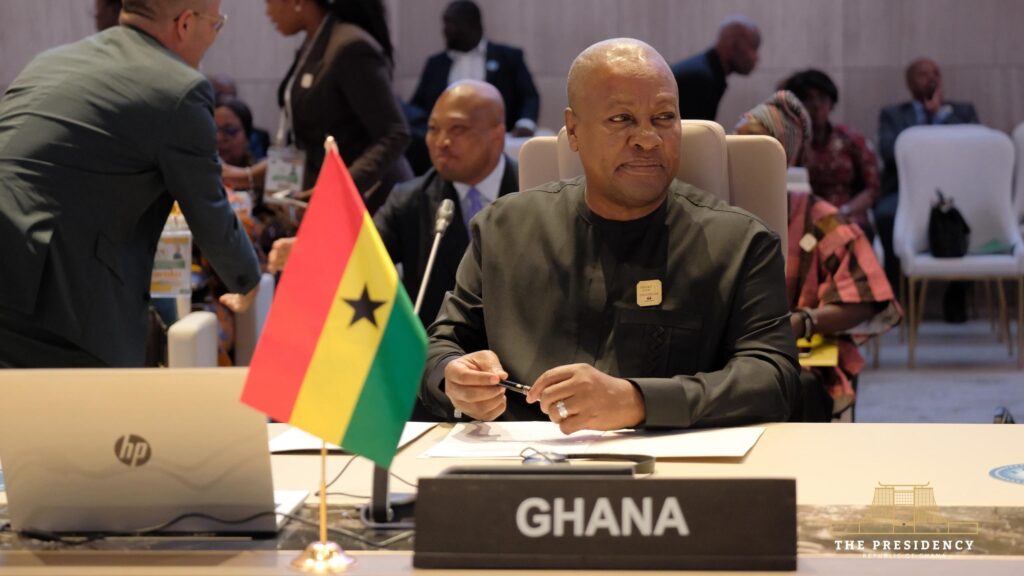
President John Mahama has returned to Ghana following his participation in the 21st Extraordinary Session of the African Union Assembly of Heads of State and Government held in Luanda, Angola. The high-level diplomatic engagement underscores Ghana's continued commitment to African union matters and positions the country prominently in ongoing continental discussions.
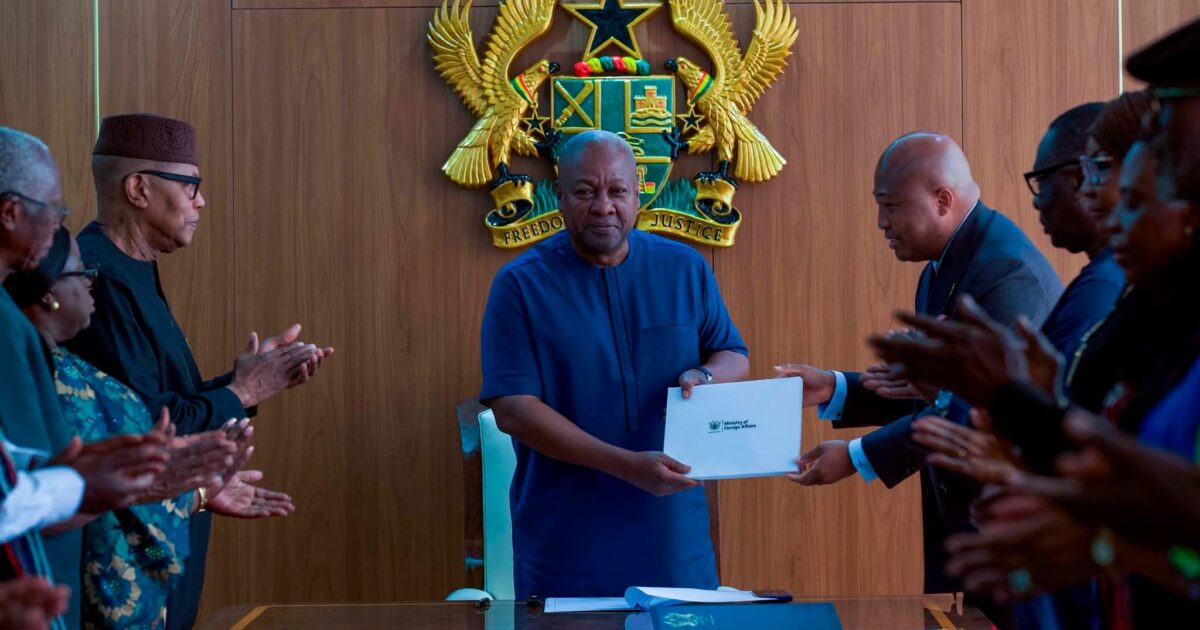
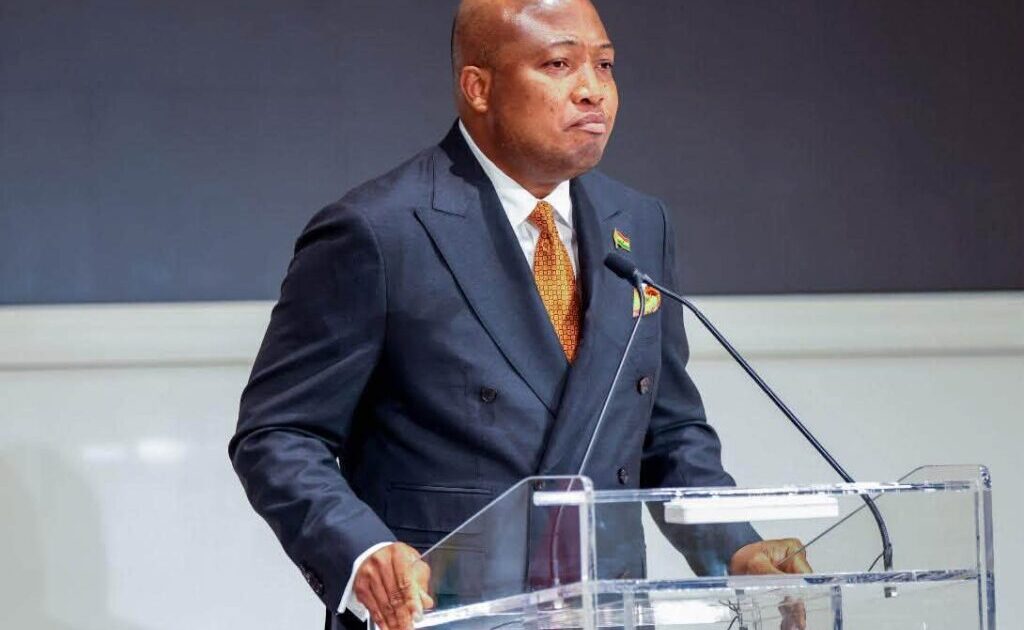
The Accra-based delegation, led by President Mahama, included Foreign Affairs Minister Yusif Woyongo, Deputy Chief of Staff for Operations, and Colonel Larry Gbevlo-Lartey (Rtd.), Ghana's Special Envoy to the Alliance of Sahel States. The composition of the delegation highlights the importance Ghana attaches to the summit, particularly given Colonel Gbevlo-Lartey's role as Special Envoy to the AES—a regional bloc increasingly shaping West African politics.
What Ghana's Participation Signals
The presence of Ghana's Special Envoy to the AES at the AU extraordinary summit suggests overlapping diplomatic priorities. The Alliance of Sahel States, comprising Burkina Faso, Mali, and Niger, has become a significant force in West African geopolitics following military takeovers in those nations. Ghana's formal representation on Sahel matters at the continental forum indicates the country is actively engaged in bridging dialogue between ECOWAS and the AES—a delicate diplomatic balancing act.
President Mahama's participation in such high-level AU forums is particularly significant given his return to office in January 2025 after four years out of power. The trip demonstrates his immediate re-engagement with continental leadership structures and his intent to position Ghana as a stabilising force in regional affairs.
The Background: AU Extraordinary Sessions
Extraordinary sessions of the AU Assembly are convened to address urgent matters requiring immediate attention from member states. The specific agenda items discussed in Luanda were not detailed in available reports, but such summits typically address security crises, political transitions, economic cooperation frameworks, or continental integration challenges. Given the timing and composition, discussions likely touched on the ongoing tensions in the Sahel region, the AES withdrawal from ECOWAS, and broader questions about African unity amid regional fragmentation.
Why It Matters for Ghana
For Ghanaians, this summit participation carries several implications. First, it reflects Ghana's diplomatic rebalancing under the Mahama administration. Ghana has traditionally been a voice for continental unity and democratic governance within ECOWAS, yet remains geographically and economically tied to developments in the Sahel. The government's dual representation—at both ECOWAS and AU forums, with specific Sahel engagement—suggests an attempt to maintain influence across competing blocs.
Second, Ghana's role is crucial for regional stability. As a stable democracy in West Africa, Ghana often serves as a mediator in inter-state disputes. The President's immediate return to official duties signals that domestic priorities remain paramount, but his participation in continental forums ensures Ghana's voice continues shaping African responses to regional crises.
Third, the trip underscores Ghana's commitment to upholding multilateral institutions. While the AU faces ongoing questions about effectiveness and legitimacy, Ghana's consistent participation demonstrates the country's belief in structured continental dialogue as preferable to unilateral action or fragmentation.
Stakeholders should note that Ghana's ability to navigate between ECOWAS obligations and engagement with the Sahel actors through AES diplomacy will likely define its influence in West African politics over the coming years. President Mahama's early re-engagement with AU structures suggests his administration intends to be an active player in these dynamics.
Source: MyJoyOnline

Comments (0)
Be the first to comment.