
Ghana's Fisheries Ministry outlines new drive to rescue struggling fishing industry


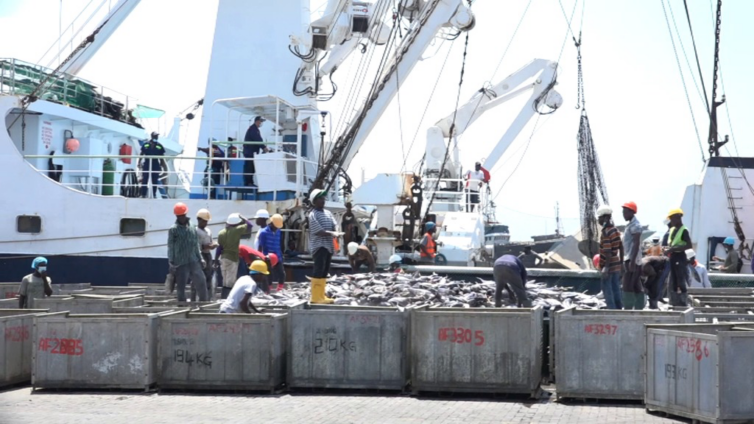
The Ministry of Fisheries and Aquaculture Development has announced a series of strategic measures aimed at revitalising Ghana's fishing industry, which has faced mounting pressures from overfishing, climate change and competition from foreign vessels.
The reforms are designed to address fundamental challenges plaguing the sector whilst creating sustainable employment opportunities and attracting private sector participation. Officials signalled that the initiative would bolster food security across the country, a critical concern given the sector's importance to Ghana's protein supply.
Focus on livelihoods and economic growth
With millions of Ghanaians—both fishers and those in supply chains—depending on the industry for their survival, the revitalisation effort targets multiple dimensions of the fishing economy. The measures seek to ensure that communities reliant on fishing can maintain viable incomes whilst the broader economy benefits from increased productivity and investment.
By attracting private investment into the sector, the government hopes to modernise fishing practices, improve infrastructure at landing sites, and develop value-added fish processing industries that could reduce post-harvest losses and create higher-skilled jobs.
Why it matters for Ghana
Ghana's fishing sector is a cornerstone of the national economy and food security. The industry contributes significantly to government revenue through taxes and licensing fees, whilst providing livelihoods for an estimated three million people directly and millions more indirectly through distribution, processing and retail.
However, the sector has faced severe strain from industrial overfishing, illegal, unreported and unregulated (IUU) fishing by foreign vessels, and environmental degradation of marine resources. These pressures have reduced fish catches, driven down incomes for artisanal fishers, and threatened Ghana's food security.
The ministry's interventions signal recognition that without decisive action, the sector risks further decline. Successful revitalisation could unlock significant economic potential—Ghana has one of West Africa's most productive fishing zones—whilst improving nutritional outcomes for vulnerable populations dependent on fish as their primary protein source.
The push also comes amid broader government efforts to diversify the economy beyond oil and cocoa, and to create employment for Ghana's growing youth population. A thriving fishing sector with modern processing and export capabilities could position Ghana as a regional hub for seafood production and trade.
Implementation and next steps
The success of these reforms will depend on effective implementation, adequate funding, and coordination between government agencies, fishing communities, and private investors. Key areas likely to benefit include marine conservation enforcement, modernisation of fishing fleets, improvement of landing site facilities, and support for fish farming as a complement to wild-catch fisheries.
Ghanaians should expect clearer details on specific initiatives, timelines and investment commitments in coming weeks as the ministry rolls out the full programme.
Source: 3News



Comments (0)
Be the first to comment.