Ghana sets ambitious 2028 rice self-sufficiency goal with $18.8m REWARD initiative

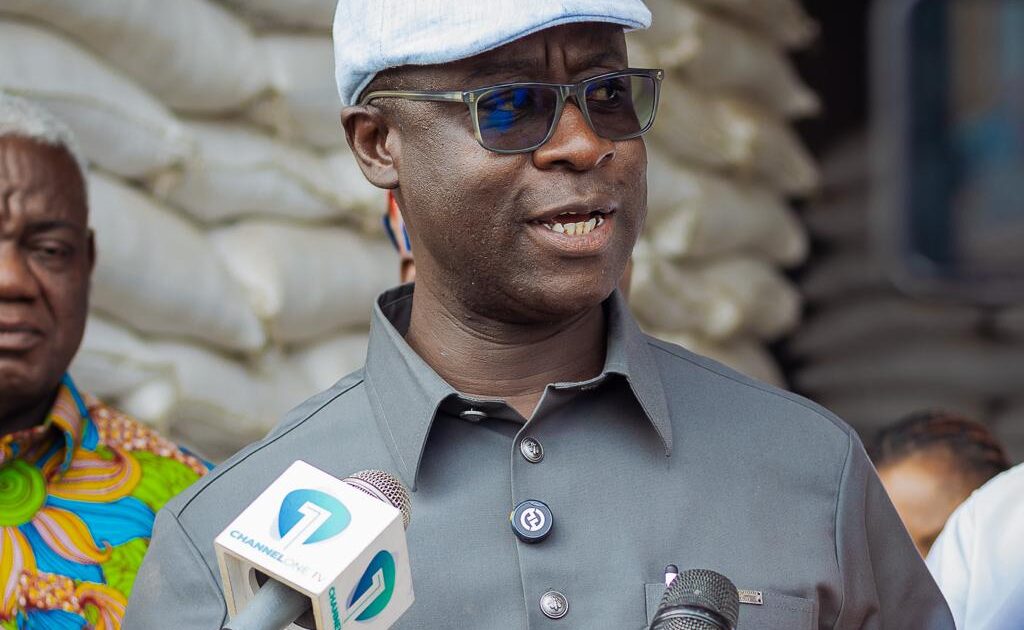
Ghana is making a bold push towards rice self-sufficiency by 2028, marking a significant shift in the country's agricultural strategy. Agriculture Minister Eric Opoku has unveiled plans targeting 3.31 million metric tonnes of paddy production annually, with the launch of the $18.8 million REWARD project positioned as a cornerstone of this ambitious initiative.
The drive to achieve domestic rice independence addresses a persistent challenge in Ghana's food security landscape. Currently, Ghana imports substantial quantities of rice to meet domestic demand, straining foreign exchange reserves and making the nation vulnerable to global price fluctuations. Opoku's announcement signals government determination to reverse this dependency and strengthen the agricultural sector's contribution to the economy.
The REWARD Project and Implementation Strategy
The REWARD project, backed by significant international funding, is designed to catalyse transformation in Ghana's rice value chain. The initiative targets productivity improvements across cultivation, processing, and distribution networks. By investing in modern farming techniques, quality seed distribution, and better storage facilities, the project aims to unlock the potential of Ghana's rice farmers—particularly smallholders who form the backbone of production.
Key components of the strategy include enhanced access to improved seeds and fertilisers, training programmes for farmers on best practices, and infrastructure development to reduce post-harvest losses. These interventions directly address bottlenecks that have historically limited local rice production and competitiveness.
Why It Matters for Ghana
Achieving rice self-sufficiency carries profound implications for Ghana's economy and food security. Rice is among Ghana's most consumed staples, particularly in urban areas, yet imports consume millions of dollars annually. Reducing import dependency frees up foreign exchange for other critical investments whilst creating jobs across the value chain—from farming to milling to retail.
The initiative also supports Ghana's broader agricultural transformation agenda and aligns with regional efforts to strengthen food security across West Africa. Success would demonstrate the viability of modernising traditional agriculture and could inspire similar programmes for other strategic commodities.
However, achieving the 2028 target requires sustained commitment beyond policy announcements. Farmers need reliable access to inputs, stable markets for their produce, and protection from price shocks. Investment in irrigation infrastructure, particularly in the northern regions where water availability is seasonal, will be critical. Additionally, coordination between government agencies, private sector players, and farmer organisations must be seamless to avoid bottlenecks.
The timeline is tight but not impossible. Ghana's farming communities have demonstrated resilience and adaptability. With proper support through REWARD and complementary initiatives, domestic rice production could genuinely transform from deficit to surplus within the next five years, reshaping both household food security and the national agricultural narrative.
Source: 3News

Comments (0)
Be the first to comment.